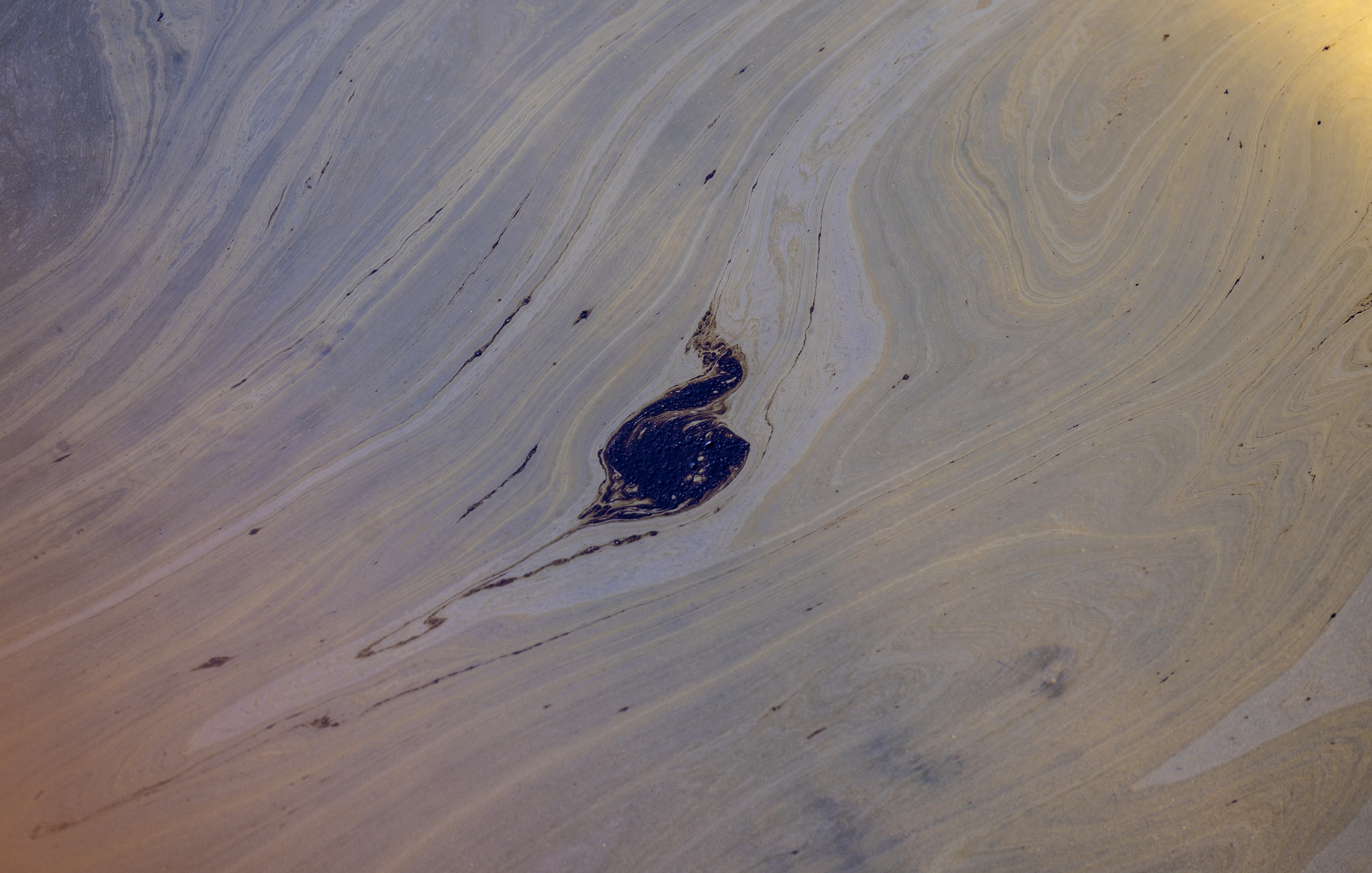
Suncor says the oil spill in the St. Clair River is contained. That's the official line. For anyone living downstream in Sarnia or the surrounding Aamjiwnaang First Nation, "contained" doesn't mean the problem is gone. It just means the immediate bleeding has stopped. When an industrial giant like Suncor leaks product into a waterway that provides drinking water for thousands, the PR spin usually moves faster than the actual cleanup.
This isn't just about a broken pipe or a faulty valve. It's about the thin line between industrial profit and environmental collapse in Ontario’s "Chemical Valley." You need to understand exactly what happened, why the response time matters, and what this means for the Great Lakes ecosystem.
The Reality of the St. Clair River Leak
On the morning the leak was detected, the primary goal was stopping the flow. Suncor’s refinery in Sarnia is a massive operation. When they flagged the "sheen" on the water, the standard protocol kicked in. They deployed absorbent booms—long, floating barriers designed to soak up oil while letting water pass through.
But here’s what they don’t always tell you in the press releases. Booms aren't magic. They work best in calm water. The St. Clair River is a high-flow connecting channel between Lake Huron and Lake Erie. It moves fast. If the surface tension is broken by heavy wind or boat wakes, that "contained" oil can duck under the boom or splash over it.
The spill involved a mixture of hydrocarbons. While Suncor hasn't always been immediate with the exact gallon count in the first few hours of these events, the Ministry of the Environment, Conservation and Parks (MECP) was on-site to monitor the air and water quality. For the residents of the Aamjiwnaang First Nation, this is a recurring nightmare. They've dealt with "shelter-in-place" orders and water advisories for decades.
Why Containment is Only Step One
Cleanup is a grind. It's not a weekend job. Once the booms are out, vacuum trucks and "skimmers" move in to suck the oil off the surface. It’s loud, it’s messy, and it’s expensive.
Suncor’s technical teams have to identify the source of the release within the refinery's complex drainage system. Sometimes it's a cooling water return line. Other times it's a storage tank leak that made its way into the storm sewers.
The Chemistry of the Spill
Different oils behave differently in Ontario's cold water.
- Light distillates evaporate quickly but are highly toxic to fish in the short term.
- Heavy crudes sink or linger, coating the riverbed and killing off the microorganisms that form the base of the food chain.
- Synthetic blends can emulsify, turning into a "mousse" that's incredibly difficult to pump out of the water.
If you’re wondering why your water didn't get shut off immediately, it’s because the intake pipes for municipal water are usually located deep at the bottom of the river. Since most oil floats, the surface sheen doesn't always contaminate the drinking supply. But that’s cold comfort when you can smell the chemicals from your front porch.
The St. Clair River’s Fragile Status
The St. Clair River is an Area of Concern (AOC) under the Great Lakes Water Quality Agreement. It’s been on the "naughty list" since 1987. We've spent millions of dollars trying to de-list it by cleaning up legacy contaminated sediment. Every time a new spill happens, it feels like taking three steps back.
The Spills Action Centre (SAC) in Ontario is the nerve center for these events. They coordinate between the company, the city, and federal agencies like Environment and Climate Change Canada. When Suncor reports a spill, the SAC evaluates the "lethality" of the discharge. If it’s found that the spill violated the Fisheries Act or the Environmental Protection Act, fines can reach into the millions. Honestly, for a company that pulls in billions, a million-dollar fine is just a rounding error on a balance sheet. That’s the part that drives locals crazy.
What Happens Next for Sarnia Residents
The booms will eventually come up. The vacuum trucks will leave. Suncor will issue a final report saying the impact was "minimal." But the long-term monitoring is where the real data hides.
You should keep an eye on the MECP’s public records. They're required to track the "total suspended solids" and the chemical oxygen demand in the water following a leak. If you see dead fish or unusual foam along the shoreline in the coming weeks, don't assume it's "old news." It's likely a secondary effect of the spill settling into the shoreline vegetation.
Practical Steps for Local Safety
- Check the Water Portal: Don't rely on social media rumors. Use the Sarnia-Lambton Alerts system for real-time updates on water intake closures.
- Document Everything: If you live on the river and see oil on your property or dock, take photos with timestamps. This is vital for insurance and for holding the company accountable.
- Air Quality Monitoring: Oil spills release Volatile Organic Compounds (VOCs). If you have asthma or respiratory issues, stay indoors until the "all clear" is specifically given for air quality, not just water.
- Report Sightings: If you see a sheen downstream that hasn't been boomed off, call the Spills Action Centre at 1-800-268-6060. Don't assume someone else already did it.
Suncor’s cleanup is a corporate necessity, but your safety is a personal responsibility. The river is resilient, but it isn't invincible. We have to stop treating these spills as "accidents" and start seeing them as the predictable cost of aging infrastructure that needs a massive overhaul.