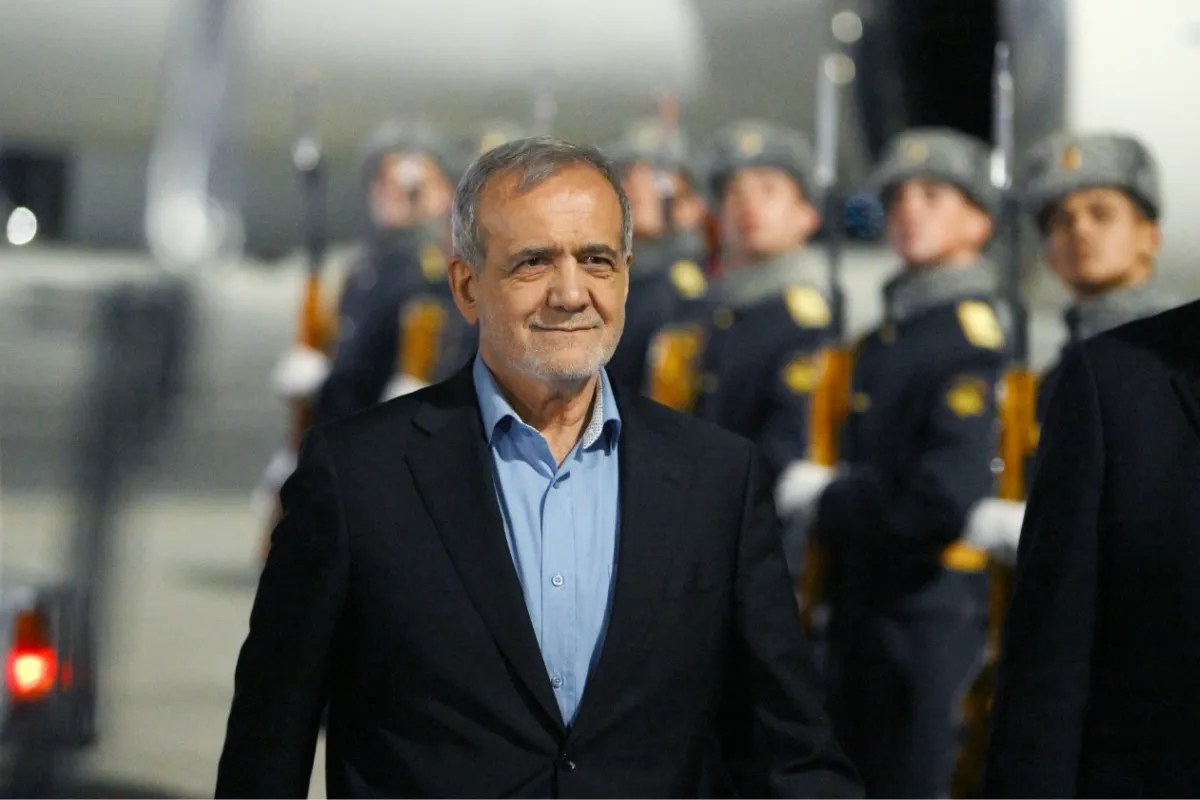
The Iranian presidency is currently executing a calculated diplomatic maneuver aimed at fracturing the international consensus on sanctions. By signaling a readiness for dialogue while simultaneously demanding the United States abandon its "stubbornness," Tehran is not merely making a request; it is setting a trap for Western expectations. This isn't a sudden shift toward moderation. It is a survival strategy dictated by a domestic economy under immense pressure and a regional security environment that has become increasingly volatile.
The core of the current tension lies in the gap between symbolic gestures and structural demands. Iran wants the immediate removal of economic barriers without offering permanent concessions on its nuclear infrastructure or regional influence. Washington, conversely, remains locked in a policy of maximum pressure that has yielded little more than a more hardened, more sophisticated adversary.
The Architecture of Iranian Brinkmanship
When the Iranian leadership speaks of diplomacy, they are speaking to two audiences. Internally, the rhetoric about American stubbornness preserves the revolutionary image of the state. Externally, it serves to paint the United States as the sole aggressor to the European Union and the BRICS nations. This dual-track communication is designed to create a narrative where Iran is the "rational actor" held back by an irrational superpower.
History shows that Tehran uses these periods of "openness" to buy time. During previous negotiations, enrichment levels often fluctuated in direct correlation with the progress—or lack thereof—in Geneva or Vienna. We are seeing a repeat of this pattern. By offering the olive branch of "readiness," Iran hopes to trigger a relaxation of enforcement on oil exports, which have already seen a clandestine surge despite the standing sanctions regime.
The real friction point is the 2015 nuclear deal’s ghost. Tehran wants a return to the status quo of 2015, but the geopolitical reality of 2026 has moved far beyond that framework. The proliferation of drone technology and the deepening of the Iran-Russia-China axis have changed the math for every negotiator involved.
Why Washington Cannot Simply Pivot
The American refusal to blink is often criticized as stagnant, but it is rooted in a fundamental distrust of the Iranian verification process. For the U.S. State Department, "diplomacy" without "dismantlement" is a non-starter. The political cost of appearing weak on Tehran is too high in an election cycle, and the intelligence community remains skeptical of any promise that doesn't include intrusive, 24/7 monitoring of sensitive sites.
Furthermore, the United States is balancing the anxieties of its Middle Eastern allies. Israel and the Gulf states view any American concession as a direct threat to their security. For these regional powers, an Iran with a stabilized economy is an Iran with more resources to fund proxy networks across the Levant and the Arabian Peninsula.
The Economic Engine Behind the Rhetoric
The Iranian Rial has faced historic devaluations. Inflation in basic goods—flour, oil, meat—has reached levels that threaten the social contract between the state and the urban middle class. This is why the presidency is pushing the diplomacy narrative so aggressively. They need a win, or at least the perception of a coming win, to keep domestic unrest at bay.
The Shadow Economy Factor
Despite the sanctions, Iran has developed a "resistance economy."
- Oil Smuggling: Ship-to-ship transfers in the Malacca Strait continue to move millions of barrels to Asian markets.
- Crypto-Mining: Utilizing cheap domestic energy to bypass traditional banking systems.
- Front Companies: A global network of shell corporations that masks the origin of Iranian capital.
While these methods provide a lifeline, they do not provide growth. The Iranian leadership knows that to modernize their energy sector—specifically their aging natural gas infrastructure—they need Western or high-level Chinese technology that currently remains out of reach due to banking restrictions.
The Intelligence Gap and Overlooked Factors
Most analysts focus on the nuclear centrifuge count. They are looking at the wrong numbers. The real metric of Iranian power today is its integration into the global "grey market." By aligning closely with Moscow during the Ukraine conflict, Tehran has gained access to advanced electronic warfare and surveillance tools that it never could have developed alone.
This creates a new "deterrence by integration." If the U.S. strikes Iran or tightens sanctions to the point of a total blockade, the ripple effects now hit the Russian war machine and Chinese energy security more directly than a decade ago. This is the leverage the Iranian presidency is leaning on when they demand the U.S. drop its "stubborn" stance. They believe they are now too integrated into the anti-Western bloc to be truly isolated.
The Failure of Current Sanctions Logic
The "stubbornness" Iran refers to is actually a policy of inertia. Washington has found it easier to maintain the status quo of sanctions than to risk a new agreement that might fail. This inertia, however, is a choice with its own set of risks.
Sanctions are a tool, not a strategy. When they are kept in place for decades without a clear off-ramp, the targeted nation eventually adapts. Iran has adapted. It has built a domestic military-industrial complex that produces precision-guided munitions and long-range drones. The "maximum pressure" campaign has failed to stop the development of these systems; it has only stopped the Iranian people from participating in the global economy.
The Missing Link in Global Negotiations
Any path forward requires a recognition of the new multipolar reality. The United States can no longer dictate the terms of Iranian trade unilaterally. When the Iranian President calls for an end to American stubbornness, he is essentially telling Washington that the world has moved on. He is betting that the U.S. needs a stable Middle East more than Iran needs a seat at the American-led table.
This is a high-stakes gamble. If the U.S. does not change its posture, the Iranian nuclear program will likely continue to creep toward the 90% enrichment threshold. At that point, the conversation shifts from diplomacy to containment or conflict.
The Iranian presidency's latest statement isn't a plea for peace. It is a strategic positioning for the inevitable crisis that follows a decade of failed policy. They are placing the burden of the next move squarely on the White House, knowing that any refusal to engage can be framed as American warmongering to a world that is increasingly tired of the standoff.
The focus must shift from what Iran is saying to what Iran is doing on its borders and in its laboratories. Rhetoric is cheap; enrichment is expensive. Washington's response will determine if the next decade is defined by a managed nuclear Iran or a regional war that no one is prepared to win.
The diplomatic window is not closing; it is being rebuilt with much harder glass. Tehran’s offer is a test of whether the West can distinguish between a tactical retreat and a strategic surrender. If the U.S. continues to rely on the same sanctions playbook from 2018, it will find itself holding a set of keys to a door that has already been barred from the other side.



