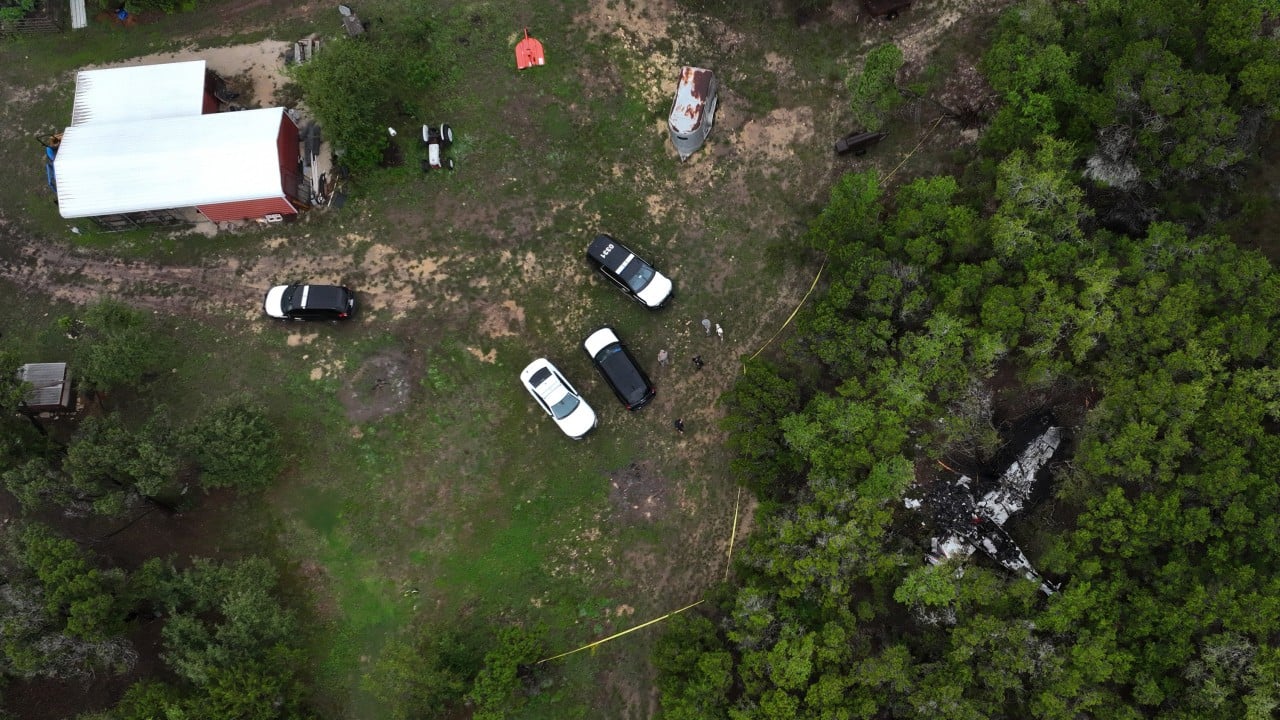
Five lives ended in an instant when a small aircraft slammed into the Texas dirt, leaving a trail of wreckage that stretches far beyond the physical debris field. While initial reports focused on the grim body count, the reality of this crash points to a systemic failure in the private aviation sector. This was not just a freak accident. It was the predictable outcome of a culture that often prioritizes convenience over the rigid, unforgiving checklists that keep commercial airliners in the sky. To understand why five people died in Texas, we have to look past the charred fuselage and examine the lethal intersection of mechanical aging, pilot workload, and the shrinking margin for error in the American South’s increasingly crowded airspace.
The Brutal Physics of a Low Altitude Stall
When a plane falls out of the sky shortly after takeoff or during a landing approach, the culprit is almost always a loss of airspeed. Aerodynamics are not a suggestion. They are a physical law that demands a specific flow of air over the wings to generate lift. In the Texas incident, witnesses described a sudden pitch-up followed by a terrifying roll toward the ground. This is the classic signature of an aerodynamic stall.
Small, twin-engine aircraft are notoriously difficult to manage during critical phases of flight. If one engine fails or loses even partial power, the resulting thrust asymmetry creates a yawing motion that can flip the plane upside down before the pilot can react. This is "Vmc"—the minimum control speed. Below this number, the rudder no longer has enough authority to keep the nose straight.
It happens fast. Too fast for a pilot who isn't practicing emergency drills every single week. Most private pilots fly for fun or business, logging perhaps fifty to one hundred hours a year. Compare that to a commercial captain who logs nearly a thousand. The gap in muscle memory is where the tragedy hides. When the engine coughed over that Texas field, the pilot had seconds to trade altitude for airspeed. They didn't have enough of either.
The Aging Fleet Problem
We are flying antiques. The average age of a general aviation aircraft in the United States is over thirty years old. While these machines are maintained under strict Federal Aviation Administration (FAA) guidelines, metal fatigue and electrical degradation are patient killers.
Corrosion and Hidden Failures
In the humid heat of the Texas Gulf Coast and the sweeping plains of the Panhandle, moisture is a constant enemy. It creeps into the wing spars and eats away at the control cables. An annual inspection is designed to catch these issues, but an inspection is only as good as the mechanic’s flashlight and their willingness to pull back every interior panel.
- Wiring Insulation: Older planes use wiring that can become brittle, leading to short circuits that bypass cockpit breakers.
- Fuel Contamination: Water buildup in tanks can cause an engine to "stumble" at the exact moment full power is required for takeoff.
- Avionics Glitches: Retrofitting new GPS units into old cockpits creates a hybrid "Frankenstein" system that can fail during high-stress maneuvers.
These five victims were likely riding in a machine built in an era before modern composite materials and redundant digital flight controls were standard. We treat these planes like vintage cars, but you can’t pull over to the shoulder when a vintage plane’s fuel pump decides it has had enough.
The Texas Heat Factor
Density altitude is the silent thief of performance. On a hot Texas afternoon, the air is thinner. It is less dense. To the airplane’s wings and engine, it feels as though the runway is thousands of feet higher than its actual elevation.
When the temperature climbs, the engine produces less horsepower because there is less oxygen to burn. Simultaneously, the wings produce less lift because there are fewer air molecules to push against. If a pilot fails to calculate the density altitude correctly, they might find themselves halfway down a runway with a plane that refuses to climb. They pull back on the yoke, trying to force the machine into the air, and instead, they drag the tail until the wing stalls.
This phenomenon kills more pilots in the southern United States than almost any other weather-related factor. It isn't a storm. It isn't ice. It is simply the sun, thinning the air until the math no longer works.
Professionalism Versus Passion
There is a significant psychological divide between a professional flight crew and a private owner-pilot. In a cockpit with two trained pilots, there is a "Challenge and Response" system. One person reads the checklist; the other verifies the action. This eliminates the "I thought I did that" syndrome.
Single-pilot operations, like the one involved in this Texas crash, lack this safety net. Distraction is a killer. A passenger asking a question, a cell phone buzzing in a pocket, or a minor radio glitch can break the pilot’s concentration. When that concentration breaks, critical steps are missed. Did they check the fuel selector? Was the trim set for takeoff?
The Cost of Cutting Corners
The economics of private flight are staggering. Fuel, insurance, and hangar fees can run into the thousands of dollars per month. This creates a subtle pressure to save money elsewhere. Maybe an oil change is pushed back an extra ten hours. Maybe a small leak in a hydraulic line is ignored because "it’s been like that for a year."
Investigative teams from the National Transportation Safety Board (NTSB) will spend the next twelve to eighteen months picking through the Texas wreckage. They will look for "pre-impact failures." They will look at the maintenance logs. Usually, they find a "chain of error"—a series of small, seemingly insignificant mistakes that, when stacked together, lead to a fireball.
Infrastructure and Emergency Response
The location of the crash often dictates the survival rate. In rural Texas, response times from volunteer fire departments can be twenty minutes or more. In high-impact crashes, this is the difference between life and death.
Many small regional airports lack the specialized Aircraft Rescue and Firefighting (ARFF) equipment found at major hubs like DFW or Houston Intercontinental. When a plane goes down, the local responders are often dealing with high-octane aviation gasoline (AvGas) without the proper foam or training to suppressed the unique intensity of an aerospace fire.
The five individuals in this crash likely died on impact, given the vertical nature of the descent. However, the lack of immediate, specialized rescue at smaller airfields remains a glaring hole in the national aviation safety net. We encourage private flight to boost local economies, but we don't always provide the safety infrastructure to support it when things go wrong.
Modern Solutions for Old Problems
The technology exists to prevent these deaths. Ballistic recovery systems—essentially giant parachutes for the entire airplane—have saved hundreds of lives in newer models like the Cirrus SR22. If the engine fails or the pilot loses control, they pull a handle, and the whole plane floats to the ground.
Most of the Texas general aviation fleet lacks this. Retrofitting old Cessnas and Beechcrafts with these systems is often prohibitively expensive, costing more than the plane itself is worth. This leaves pilots and passengers relying on 1960s technology to survive 2026 problems.
We also have "Envelope Protection" software that prevents a pilot from stalling the plane. It pushes the nose down automatically if it senses the speed dropping too low. Again, these are features of the wealthy and the new. The majority of the flying public in the private sector is operating without these "digital angels."
The Regulatory Blind Spot
The FAA finds itself in a difficult position. If they make regulations too strict or equipment mandates too expensive, they will kill the general aviation industry entirely. If they stay hands-off, the body count continues to rise.
Currently, the onus of safety is almost entirely on the individual. This "honor system" for maintenance and pilot proficiency is failing. We need a shift toward mandatory simulator training for high-performance aircraft owners, regardless of their total flight hours. Logged time is not the same as quality time. A pilot can fly for twenty years and never once practice a real-world engine failure at five hundred feet.
The Texas crash is a warning. It is a reminder that the sky is not a place for the complacent. As the investigation moves into the laboratory, the focus will be on the metal, but the real answers lie in the human decisions made long before the wheels left the tarmac.
Check your fuel. Calculate your density altitude. Practice your stalls. The air does not care about your business meeting, your family vacation, or your ego. It only cares about the physics of the wing. If you can't satisfy the math, the ground will claim the debt.
Those who want to stay alive in the cockpit must stop treating their planes like cars and start treating every flight like a test they are about to fail. Until that cultural shift happens, we will keep seeing these headlines, and the Texas soil will keep claiming those who thought they had it under control.
Focus on the proficiency of the person in the left seat. If the pilot is not training for the worst-case scenario every time they pre-flight, they are merely a passenger in their own disaster. Professionalism is the only thing that compensates for the age of the machine and the heat of the day.
Look at the maintenance logs of every plane you board. If the owner can't show you the recent signatures for the engine and the airframe, stay on the ground. It is better to be on the ground wishing you were in the air than to be in the air wishing you were on the ground.
Air safety is bought with blood, and the Texas tragedy has just added to the currency.
The industry must move toward mandatory ballistic parachutes for all passenger-carrying light aircraft. The technology is proven, the lives saved are quantifiable, and the excuse of "cost" is no longer valid when weighed against five funerals.
End the era of the "unrecoverable" stall. If the wing stops flying, the parachute must start. Anything less is just waiting for the next field to fill with smoke.
Stop making excuses for old metal and start demanding the same safety standards we expect from a thirty-dollar flight on a commercial jet. Your life is worth more than the convenience of a private tail number.
The Texas investigation will conclude in a year with a "Probable Cause" statement. But for the families involved, the cause is already known. It is the failure to respect the sky.
Refuse to fly in any aircraft that hasn't been retrofitted with modern engine monitoring systems. These digital displays can catch a failing cylinder or a clogged fuel injector long before the pilot feels the vibration. Information is survival.
Finalize your flight plan with a "no-go" criteria. If the temperature is too high, the crosswind too strong, or your sleep too short, stay in the terminal. The most important tool in any cockpit is the pilot's ability to say no.
The Texas crash was a failure of the system, the machine, and the moment. Do not let it be your story.
Learn the math. Respect the heat. Trust nothing that hasn't been inspected twice.
Aviation is a discipline, not a hobby.
Demand better. Fly safer.
The wreckage is the lesson.
Do not ignore it.
Every pilot who watches the news of this crash and thinks "that couldn't be me" is the next candidate for the NTSB's attention.
Humility is the most important part of the pre-flight checklist.
Check it twice.
Or don't fly at all.