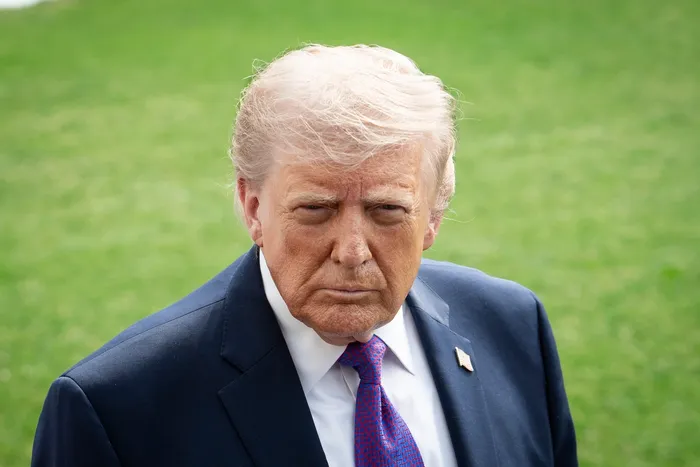
Donald Trump just flipped the script on Middle East diplomacy by announcing a 10-day ceasefire between Israel and Lebanon. It starts in less than six hours. This isn't just another rumor floating around the halls of the UN. It's a direct move from the White House that caught plenty of seasoned diplomats off guard. If you’ve been following the escalation over the last few months, you know how high the stakes are. The border is a tinderbox. Thousands have fled their homes. Now, we have a window—albeit a short one—to see if the shooting actually stops.
The announcement came with the usual Trump flair. He’s claiming credit for a deal that aims to pause the heavy exchange of fire between the IDF and Hezbollah. This 10-day window isn't meant to be a permanent peace treaty. Nobody is that naive. It’s a "cooling-off" period. The goal is simple: stop the rockets, stop the airstrikes, and get people talking before the entire region goes up in flames.
Whether this holds depends entirely on the groups on the ground. We’ve seen these "pauses" fail in minutes. But this time, the pressure from Washington is different. Trump is betting his reputation as a dealmaker on these 144 hours.
Why this 10 day window is different from previous attempts
Most ceasefires in this region are brokered by a committee of European and Arab mediators. They usually take weeks to draft. They’re full of vague language about "mutual respect." This one feels more like a command. By putting a specific countdown on it—six hours from his statement—Trump has forced both Jerusalem and Beirut to react in real-time.
Israel has been hammering targets in southern Lebanon and even Beirut. They’ve been clear that they won't stop until Hezbollah is pushed back from the border. On the other side, Hezbollah has kept up a steady stream of drone and rocket attacks. It’s a cycle of violence that seemed to have no exit ramp.
This 10-day break gives both sides a chance to breathe without looking weak. It’s a face-saving measure. If Israel stops, they can say they’re giving diplomacy a chance at the request of their biggest ally. If Hezbollah stops, they can claim they’ve successfully defended Lebanese sovereignty for now.
The logistics of a six hour countdown
Six hours is nothing in military time. When you have units deployed in the field and autonomous drone squads in the air, "stopping" isn't as easy as flipping a switch. Commanders need to get the word down to the lowest level. There’s always a risk of a "rogue" unit firing one last shot that restarts the whole mess.
Trump’s team has been working behind the scenes with Lebanese officials and Israeli leadership to ensure the message is clear. If you fire after the deadline, you’re not just breaking a truce with your enemy; you’re snubbing the United States. That carries weight.
Reports suggest the ceasefire involves a total halt of aerial activity. That means no Israeli jets over Lebanon and no Hezbollah drones crossing the Blue Line. It also means a freeze on ground movements. For the civilians living in the shadow of the Litani River, these next ten days are the difference between life and death.
What Trump gets out of this deal
Let’s be real. This isn't just about humanitarian aid. It's about optics and leverage. Trump wants to show that his "peace through strength" approach works better than the slow-grinding diplomacy of his predecessors. By bypassing the usual international channels, he’s trying to prove that direct, personal intervention is the only way to move the needle in the Middle East.
He’s also playing to a domestic audience. With tensions high and the economy always a concern, avoiding another massive regional war is a huge win. If this 10-day pause leads to a longer agreement, it’ll be touted as one of the biggest foreign policy wins of his term. If it fails, he can blame the "warmongers" on both sides for not taking the deal. It's a low-risk, high-reward move for the White House.
The Hezbollah factor and the Iranian shadow
You can't talk about Lebanon without talking about Iran. Hezbollah doesn't make major moves without a nod from Tehran. For this ceasefire to work, Iran has to see a benefit in it. Maybe they want to avoid a full-scale war that would decimate their most powerful proxy. Maybe they need a break to regroup.
There’s also the internal pressure in Lebanon. The country is already on the brink of economic collapse. A full-scale war with Israel would be the final blow. Lebanese officials are likely desperate for any excuse to stop the strikes. They’ve been caught between a rock and a hard place—unable to control Hezbollah but suffering the consequences of the group’s actions.
What happens when the 10 days are up
This is the part that worries the experts. Ten days is a blink of an eye. It’s enough time to move some aid trucks and let people sleep in their own beds for a week. It isn't enough time to solve decades of border disputes.
The real work starts now. Diplomats have exactly 240 hours to turn this "pause" into something more durable. There are talks of a buffer zone. There are talks of increased UNIFIL presence. But we’ve heard it all before. The 10-day mark is a hard wall. If there’s no progress by then, the jets will be back in the air before the clock hits zero.
Reality check on the ground
I’ve seen how these things play out. One side claims the other moved a truck ten feet too far, and suddenly the artillery starts again. Honestly, the success of this deal depends on the first two hours after the deadline. If it stays quiet until dawn, there’s a chance.
The Israeli public is divided. Some want the job finished—they want Hezbollah neutralized once and for all so they can return to their homes in the north. Others are exhausted and just want the sirens to stop. In Lebanon, the sentiment is even more desperate. People are tired of being a battlefield for someone else’s war.
Watch the next six hours closely
The countdown is on. As we approach the deadline, expect a flurry of activity. Both sides will likely try to get their "last licks" in. It’s a common tactic—hit as many targets as possible right before the bell rings.
If you’re tracking this, look for these signs:
- A sudden drop in IAF (Israeli Air Force) activity over southern Lebanon.
- A halt in rocket sirens in northern Israel.
- Official statements from the Lebanese government confirming their commitment to the pause.
This isn't a peace treaty. It’s a gamble. Trump is betting that 10 days of silence will be so valuable that neither side will want to be the one to break it. It’s a bold move, and in less than six hours, we’ll know if it paid off.
Keep your eyes on the border. The world is waiting to see if the silence lasts. If you have family in the region, tell them to stay alert. Ceasefires are the most dangerous time because they're so fragile. Don't assume the danger is over just because the news says so. Stay informed, watch the official military feeds, and wait for the 10-day mark to see if this is a real shift or just a temporary breather in a long, ugly conflict.