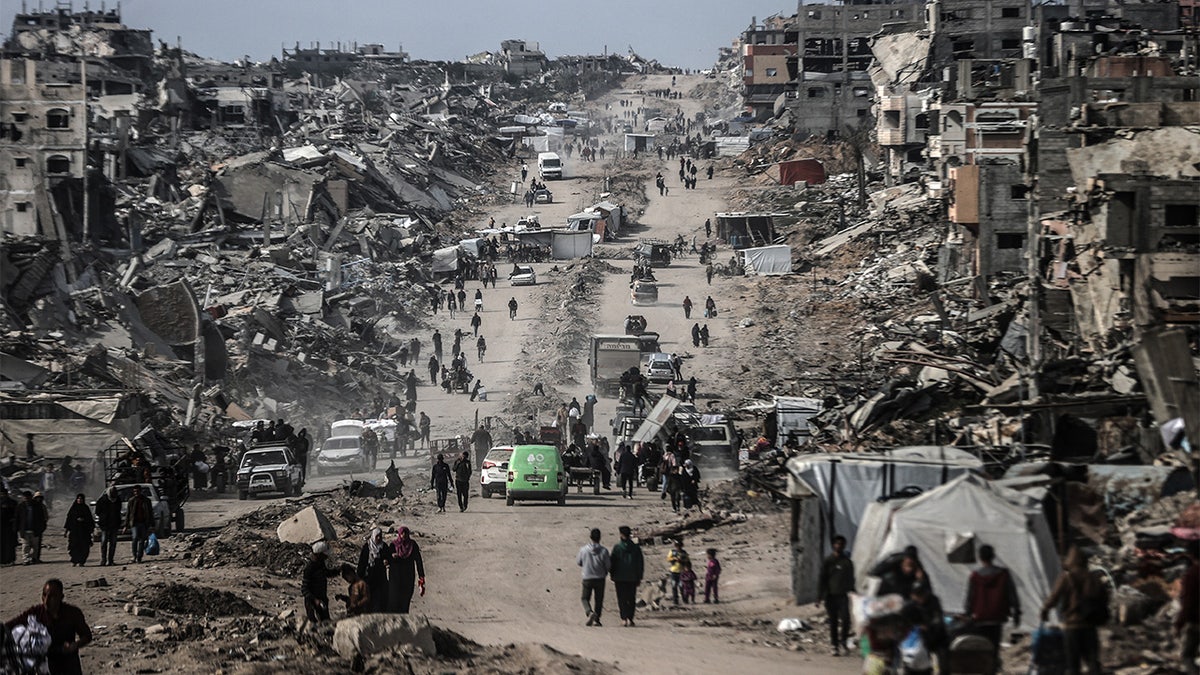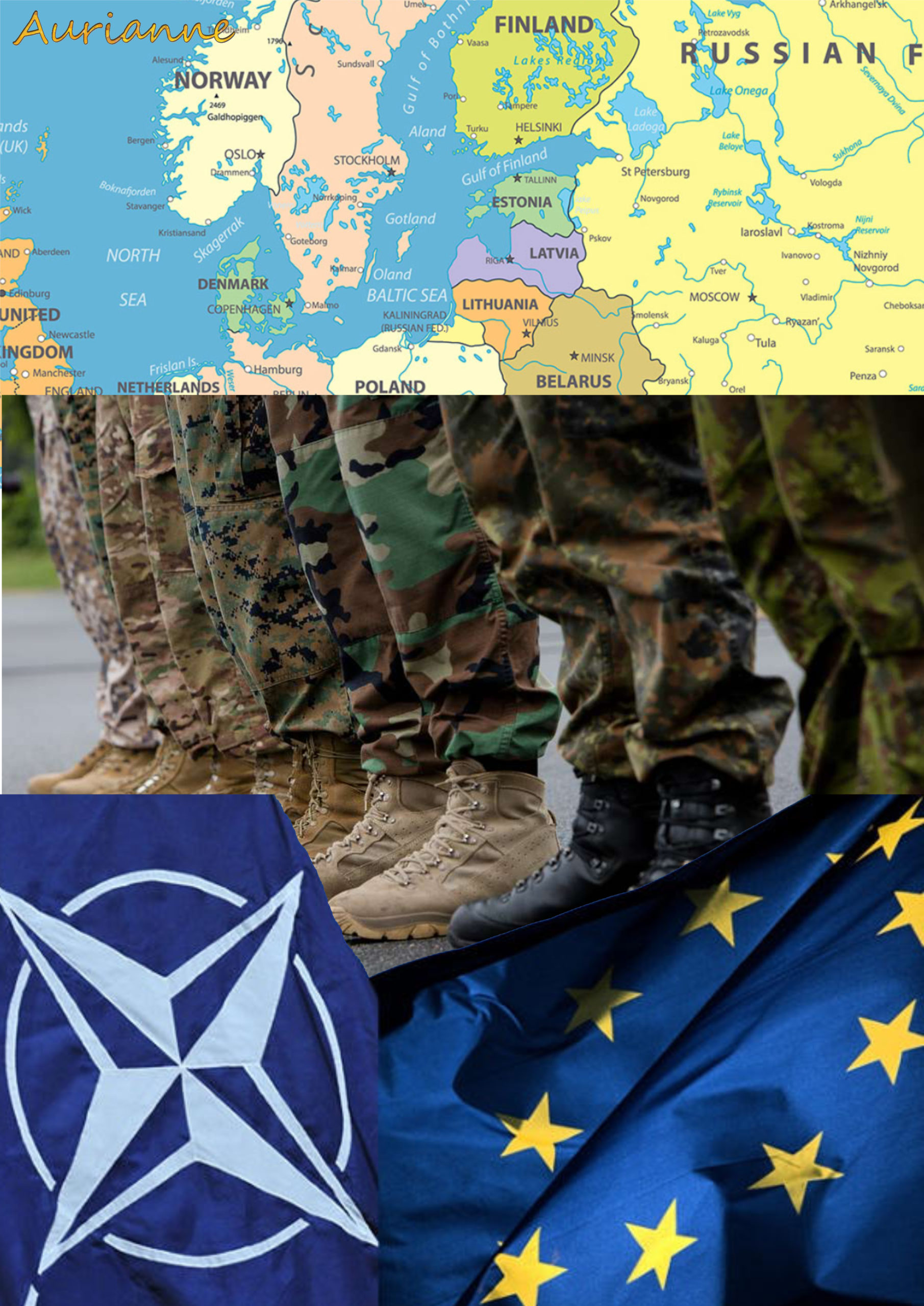
The era of the U.S. acting as Europe’s unpaid security guard is crashing to a halt. In an explosive interview with The Telegraph this week, President Trump didn't just criticize NATO—he basically wrote its obituary. Calling the alliance a "paper tiger," he confirmed that a U.S. exit is now beyond mere reconsideration.
If you've been following the news, you know the catalyst wasn't some abstract policy debate. It was the refusal of European "allies" to back the U.S.-Israeli campaign against Iran. While the Strait of Hormuz sits blocked, choking off 20% of global oil, countries like the UK, France, and Spain have stayed on the sidelines. To Trump, this isn't just a disagreement. It’s a betrayal of the "automatic" support the U.S. has provided for decades, most recently in Ukraine.
The paper tiger has no teeth
Trump’s "paper tiger" comment isn't just a catchy insult. It’s a direct challenge to the credibility of Article 5. For years, the world assumed that if one NATO member was attacked, the U.S. would swoop in. But Trump’s logic is simple: if they won't help us secure global energy routes or handle a nuclear-bent Iran, why should we stay committed to defending their borders?
He’s not alone in this frustration. Secretary of State Marco Rubio recently pointed out that NATO has become a "one-way street." When the U.S. needed to use bases in Italy and Spain for Middle East operations, they were met with "no." Rubio’s message was blunt: if we're defending Europe, but they deny us the tools to defend ourselves, the deal is dead.
The UK navy is a ghost
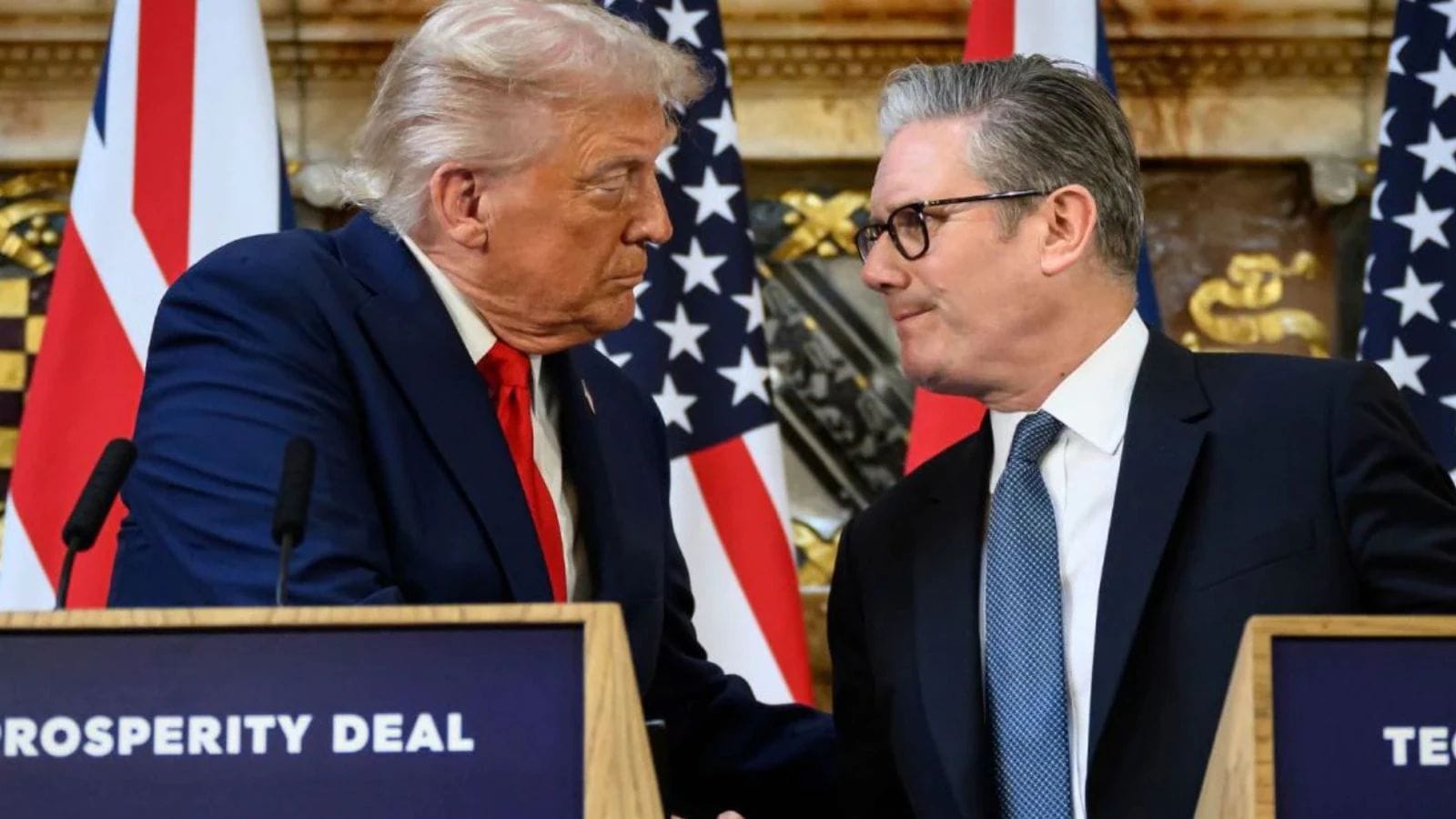
The sharpest barbs were reserved for UK Prime Minister Keir Starmer. Trump didn't hold back, mocking the state of the Royal Navy with a brutality that stunned London. "You don't even have a navy," he told the interviewer. He brought up the embarrassing history of British aircraft carriers that broke down or didn't work when needed.
Instead of building warships, Trump claims Starmer is focused on "costly windmills" that are sending energy prices into the stratosphere. It’s a classic Trumpian critique—accusing an ally of being too weak to fight and too woke to function. This isn't just about ships; it’s about the fact that the UK, once the world’s premier maritime power, can’t—or won't—patrol the seas alongside the U.S. anymore.
What happens if the U.S. actually leaves
A U.S. withdrawal from NATO wouldn't just be a diplomatic spat. It would trigger a massive power vacuum.
- Europe would have to triple its spending. Most NATO members still don't meet the 2% GDP defense spending target. Without the U.S. umbrella, that number probably needs to be 4% or 5% just to stay viable.
- The "Pay to Play" model. The Trump administration is already floating a new structure. If you don't pay your share, you lose your seat at the table. No vote, no veto, and maybe no protection.
- Troop withdrawals. Reports indicate plans are already being drawn up to pull U.S. forces out of Germany.
Putin is watching closely
Trump mentioned that Vladimir Putin knows NATO is a paper tiger. This is the most dangerous part of the rhetoric. If the Kremlin believes the U.S. won't show up to defend a member state, the deterrent value of NATO hits zero. We’ve already seen how the war in Ukraine strained European stockpiles. If the U.S. walks, Europe is left with half-empty warehouses and a divided political front.
The end of the "automatic" era
The most important takeaway for you is that the "automatic" era of American protection is over. Trump is making it clear that support is now transactional. He feels the U.S. was there for Ukraine—which he explicitly said "wasn't our problem"—as a test of loyalty. Europe failed that test by not showing up for the Iran conflict.
If you’re a business owner or an investor, this shift means instability is the new baseline. Global shipping routes aren't guaranteed by the U.S. Navy if those routes don't serve U.S. interests. Energy prices will continue to swing wildly as long as the Strait of Hormuz remains a flashpoint that the "allies" won't touch.
Don't expect a polite resolution. Starmer has already doubled down, saying he’ll act in the "British national interest" and won't be dragged into "someone else's war." That's exactly the kind of talk that makes Trump want to pack up the base in Ramstein and head home.
The next few months are critical. Watch the U.S. troop movements in Germany and Poland. If those numbers start dropping, the "paper tiger" just became a ghost. Start looking at your energy and supply chain dependencies now. The security architecture of the last 80 years is being dismantled in real-time.