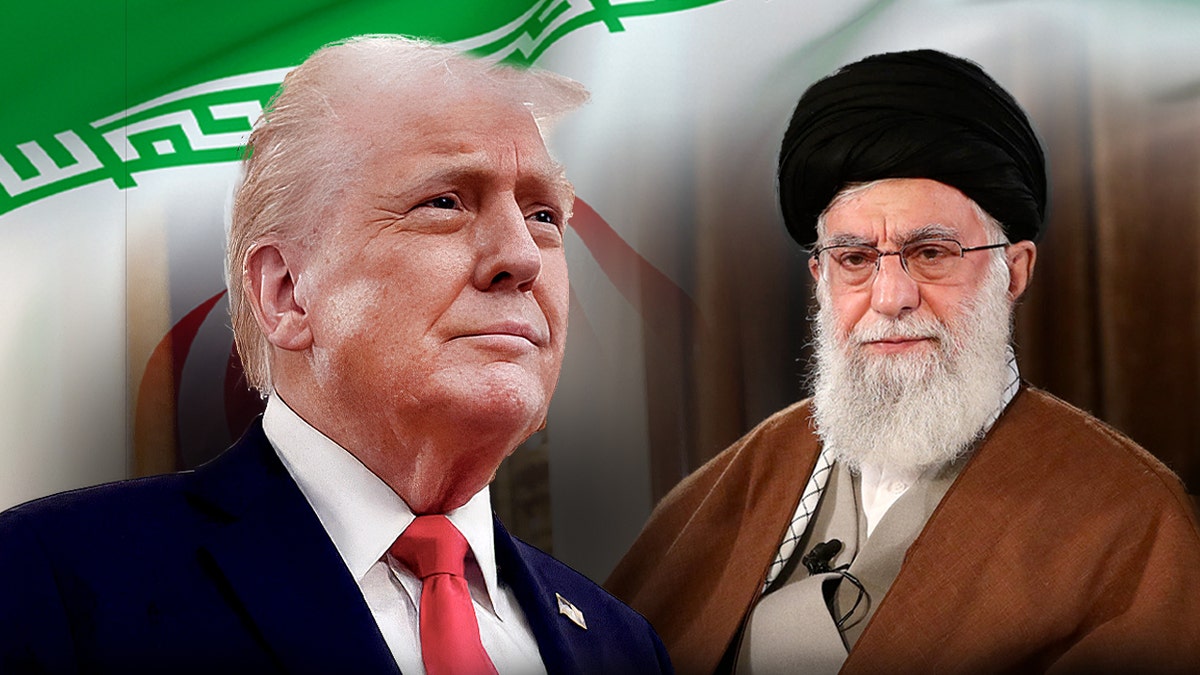
Don’t let the headlines about an "indefinite extension" fool you into thinking the Middle East is suddenly safe. Donald Trump didn't just decide to become a dove overnight. This extension of the U.S.-Iran ceasefire, announced just hours before the April 22 deadline, is a high-stakes play designed to squeeze Tehran until it breaks.
By Tuesday night, the world was bracing for the sound of Tomahawks. Instead, we got a Truth Social post. Trump says he’s holding off on the "Attack on the Country of Iran" because Pakistan’s leadership practically begged him for more time. But if you look at the fine print, the U.S. Navy isn't going anywhere. The blockade of the Strait of Hormuz remains tight, and that's the real story here.
The Blockade Is the Real War
While the bombs aren't falling, the Iranian economy is being strangled. This isn't a peace treaty; it's a siege with a different name. Trump has directed the military to maintain the naval blockade of all Iranian ports. For a country that relies on oil exports to keep the lights on, a blockade is basically a slow-motion air strike.
Iranian officials know this. That’s why their response has been far from grateful. Esmail Baghaei, the spokesperson for Iran’s Foreign Ministry, called the U.S. messages "contradictory." On one hand, Washington talks about peace in Islamabad; on the other, the U.S. Navy is boarding Iranian ships like the Touska and the M/T Tifani in international waters.
Tehran’s hard-liners aren't sitting still. On Tuesday night, they rolled out ballistic missile launchers in the streets of the capital. They’re signaling that if the blockade doesn't lift, the ceasefire won't matter.
Why the Islamabad Talks Stalled
You’re probably wondering why Vice President JD Vance didn't hop on a plane to Pakistan as planned. The White House pulled the plug on his trip because the Iranian delegation didn't show up. It’s a classic diplomatic stalemate.
- The Nuclear Issue: Trump’s team, led by Stephen Miller, has made it clear: zero nuclear enrichment. Iran sees this as a demand for total surrender.
- The Hormuz Chokehold: Iran still controls key parts of the Strait. They’ve used this to send oil prices toward $100 a barrel, hoping to hurt the global economy enough to force Trump’s hand.
- Fractured Leadership: Since the war began in February, Iran's leadership has been in chaos. Trump pointed this out directly, calling the government "seriously fractured." Without a unified voice in Tehran, there’s nobody for Vance to actually talk to.
The Economic Reality for You
If you’ve noticed your gas prices creeping up, this is why. Even with the ceasefire extension, Brent crude is hovering near $98. The market is terrified. Investors saw the extension and breathed a sigh of relief, but the gains were erased almost immediately. Why? Because a ceasefire without a reopened Strait of Hormuz doesn't fix the supply chain.
Europe is feeling the heat even more than we are. Reports from Brussels suggest some countries have less than six weeks of jet fuel left. If this "indefinite" pause doesn't lead to ships moving through the Gulf again, the global economy is headed for a massive wall.
What Happens if the Deal Fails
The military isn't just sitting in the barracks. The U.S. has made it clear that if a "unified proposal" doesn't come from Tehran soon, the ceasefire ends. Trump’s rhetoric hasn't softened. He’s still talking about "lots of bombs" and targeting Iranian power plants and oil wells if the stalemate continues.
Iran’s Revolutionary Guard (IRGC) has its own threats. General Majid Mousavi warned that if neighbors allow the U.S. to use their bases for strikes, the entire Middle Eastern oil industry is fair game. We're looking at a scenario where a single spark could ignite the entire Persian Gulf.
Don't expect a quick resolution. This is about leverage. Trump is using the ceasefire to look like the reasonable party while the blockade does the dirty work of draining Iran’s resources. Tehran is trying to hold out long enough for energy prices to break Western resolve.
Keep an eye on the Serena Hotel in Islamabad. If you see negotiators actually checking in, we might have a chance at a deal. Until then, it’s just a pause in the violence, not the end of the war.
If you’re invested in energy stocks or planning travel, prepare for volatility. The "indefinite" nature of this ceasefire means it could end at 3:00 AM with a single social media post. Watch the oil charts and the movement of the U.S. 5th Fleet. Those are much better indicators of peace than any official statement.