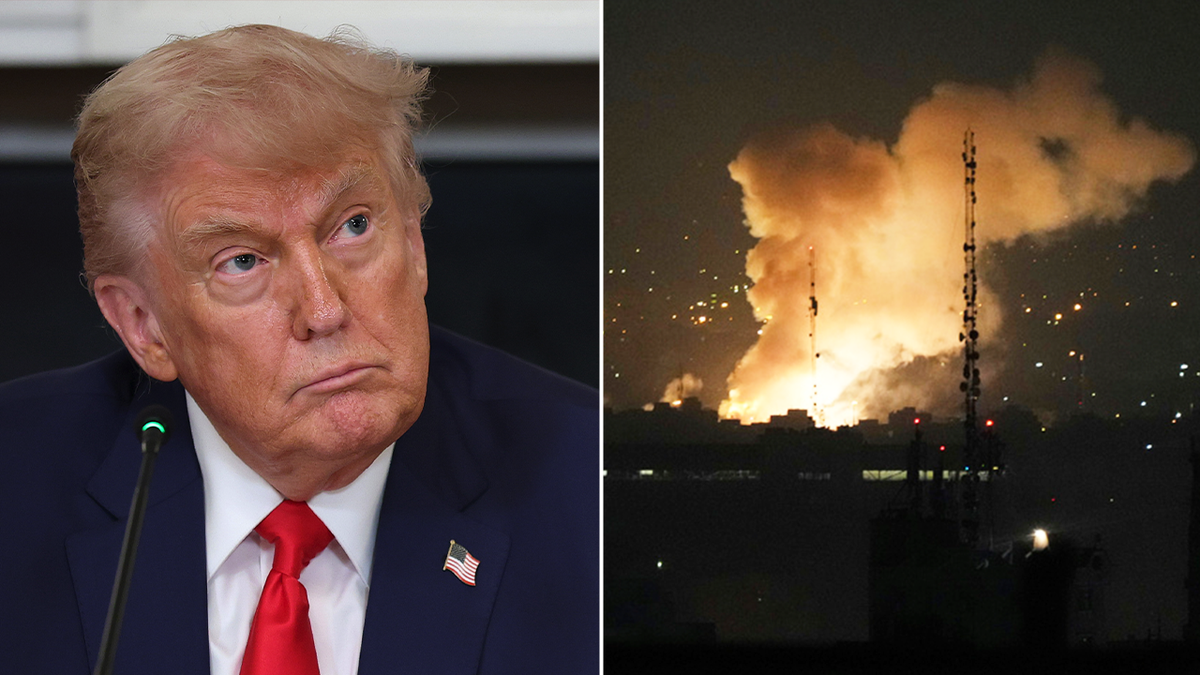
Donald Trump just put the global economy on a 48-hour countdown. On Saturday night, he took to Truth Social to issue a blunt ultimatum: Iran has two days to "FULLY OPEN" the Strait of Hormuz or the U.S. will "obliterate" their power plants. It's the kind of high-stakes gambling that defines his presidency, but this time the chips are the world's energy supply and your gas prices.
The Strait has been effectively shut since late February. We're talking about a narrow waterway that handles 21 million barrels of oil every single day. That's 20% of the world's consumption. Since the U.S.-Israeli strikes on Iran began, Tehran has turned this chokepoint into a "no-go" zone for tankers.
If you think this is just some far-off regional squabble, look at your local gas station. U.S. gas prices have already jumped nearly 24% since this started. Brent Crude is screaming past $115 a barrel. Trump's "deadline" is an attempt to break a stalemate that's bleeding the global economy dry, but the risk of a total regional blackout is real.
The math behind the 48 hour clock
Why the sudden rush? It's not just about the optics of "winning" a war Trump claimed was already over two days ago. It's about a looming economic cliff.
The U.S. and its allies can only survive on strategic reserves for so long. The International Energy Agency (IEA) recently authorized a coordinated release of oil, but that's a band-aid on a gunshot wound. Goldman Sachs is already warning that if this drags through April, the GDP of major Gulf exporters like Qatar and Kuwait could drop by 14%.
Iran knows this. They don't need a massive navy to win this fight. They just need to make the Strait too dangerous to insure. When insurance companies pull "war risk" coverage, the tankers stop moving. It's that simple. By threatening Iran’s power grid—starting with the "biggest one first"—Trump is trying to flip the script. He's saying: "If our economy goes dark because of your blockade, your entire country goes dark because of our missiles."
What happens when the lights go out in Iran
Tehran isn't backing down. Their military command, Khatam Al-Anbiya, shot back within hours. They've promised that if their power plants are hit, they'll target every U.S.-linked energy and desalination plant in the region.
Think about that for a second. Most of the Gulf states rely on desalination for their drinking water. An "infrastructure war" wouldn't just mean high gas prices; it would mean a humanitarian catastrophe involving water and electricity for millions of people.
Iran’s Parliament Speaker, Mohammad Baqer Qalibaf, made it clear: the Strait stays closed until those power plants are rebuilt. This isn't just a threat; it's a suicide pact for regional trade.
The global ripple effect is already here
While Washington and Tehran trade threats, the rest of the world is already losing.
- Asia is starving for energy: Japan gets 90% of its oil through that Strait. China is paying an extra $560 million per day just to keep its factories running.
- Europe's gas crisis: Qatari LNG shipments are stranded. European gas prices have doubled, hitting chemical and paper manufacturers hard.
- The Food Emergency: This is the part people miss. The Strait isn't just for oil. It’s a corridor for fertilizer. The UN is warning that 45 million more people could face acute food insecurity if this doesn't end soon.
Why this deadline is a turning point
Trump’s move is a massive pivot from his Friday statement where he claimed he was "winding down" the war. It turns out you can't declare victory when 20% of the world's oil is still stuck behind an Iranian minefield.
The 48-hour window expires Monday night. If Iran doesn't blink, we're likely looking at a massive expansion of the conflict. The Pentagon has already requested $200 billion in emergency funding. Thousands of U.S. Marines are heading to the Gulf.
The goal might be more than just strikes. There’s talk of seizing Kharg Island—Iran’s main oil export hub—to force the taps open. But "forcing" a maritime chokepoint open while missiles are flying is a logistical nightmare that hasn't been seen since the Tanker War of the 1980s. Only this time, the weapons are smarter and the global economy is way more fragile.
If you’re watching your portfolio or your heating bill, the next 48 hours are the only thing that matters. The "deadline" isn't just for Iran; it’s for a global economy that’s running out of time.
Keep an eye on the Brent Crude tickers and the Truth Social feed. If those power plants go up in smoke, the $115 oil we’re seeing now will look like a bargain. You should prepare for significantly higher energy costs through the spring and check your exposure to emerging market funds, especially those tied to Asian manufacturing.


