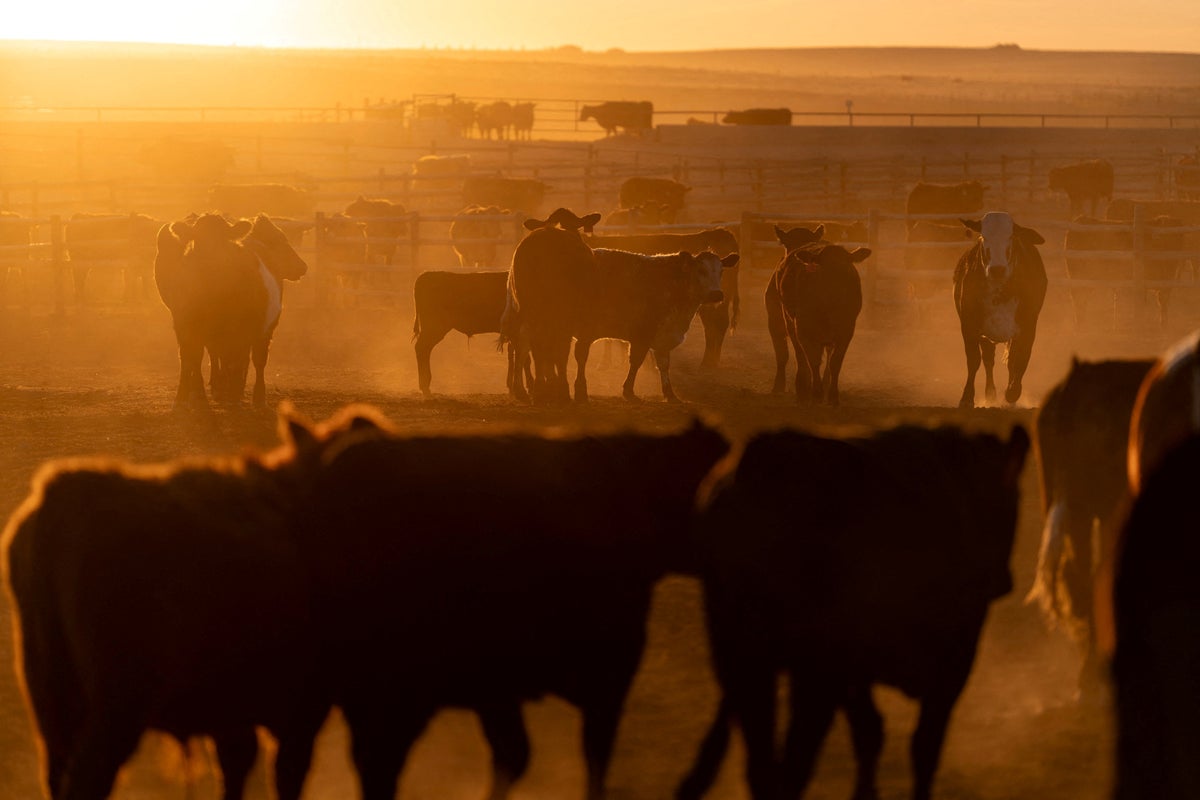
If you've looked at the price of a ribeye or even a pack of 80/20 ground chuck lately, you know it's getting ridiculous. Prices are at record highs, and the Trump administration is officially making a move to fix it. The plan is simple on paper: flood the market with more beef from overseas to force prices down at the checkout counter.
The White House just announced it’s slashing tariffs and increasing import quotas, specifically targeting lean beef trimmings from places like Argentina. It sounds like a win for your wallet, but it’s causing a massive rift between the administration and the very ranchers who usually make up Trump’s base.
Here’s the reality of why your steak costs so much and whether this plan will actually save you a dime.
The math behind your expensive burger
We’re currently facing a "perfect storm" in the cattle industry. The U.S. cattle herd has shrunk to about 86.2 million head—the lowest level since the 1950s. You can’t just "print" more cows when supply gets low. It takes years to rebuild a herd.
Why did the cows disappear?
- Persistent Drought: Years of dry weather in the Plains forced ranchers to sell off their herds because they couldn't afford the hay or didn't have enough grass.
- The Mexico Shutdown: Detections of the New World Screwworm in Mexico halted the usual flow of nearly a million feeder cattle across the border.
- Input Costs: Fertilizer, diesel, and feed prices spiked, making it cheaper for some ranchers to just quit rather than lose money on every head of cattle.
By December 2025, ground beef hit an average of $6.69 per pound. That’s a record. If you’re buying organic or premium cuts, you’re easily pushing $10 or $12 a pound. People are still buying beef, but they’re getting angry about it.
The Argentina gamble
Trump’s latest executive action allows an extra 80,000 metric tons of lean beef trimmings to enter the U.S. market from Argentina. This is being done through a "first-come, first-served" system split into four quarterly chunks throughout 2026.
The goal is to specifically target the "grinding" market. Most of the beef we import isn't high-end steak; it’s lean meat that gets mixed with domestic fat to make the ground beef you see in the supermarket or at McDonald's. By bringing in more of this "trim," the administration hopes to cap the rising cost of the most common protein in the American diet.
But there’s a catch. Groups like the National Cattlemen’s Beef Association (NCBA) are furious. They argue that Argentina has a history of foot-and-mouth disease (FMD). Bringing in more of their meat, they claim, is a massive bio-security risk that could decimate the American herd if an outbreak occurs. Plus, there’s a huge trade imbalance: we buy hundreds of millions in beef from Argentina, while they buy almost nothing from us.
Why ranchers feel betrayed
Ranchers are in a weird spot. On one hand, the administration is promising them "regulatory relief"—things like delisting the gray wolf and getting rid of mandatory electronic ear tags. These are things ranchers have begged for for years because they lower the cost of doing business.
On the other hand, the government is actively trying to lower the price of the product they sell. When the government artificially increases supply through imports, the price that ranchers get for their cattle usually drops.
It’s a classic conflict of interest. The administration wants "Affordable Beef for the American Consumer," but the "American Producer" needs high prices to stay in business after years of losses.
What this means for your grocery bill
Don't expect steak prices to plummet tomorrow. These import changes take time to hit the supply chain.
- Ground beef might stabilize: You might see the rapid price hikes for hamburger meat slow down or stay flat through the summer of 2026.
- Steaks will stay high: Since the imports are mostly trimmings, your New York Strip or Ribeye prices aren't going to move much. Those are still dictated by the local shortage of high-quality, grain-fed American cattle.
- Seasonal spikes: With the quarterly "tranches" of imports, we might see some price volatility every time a new shipment hits the docks.
The move toward deregulation
To soften the blow for domestic producers, the administration is coupling the import surge with a "One Big Beautiful Bill" approach to ranching. They’re pushing the Small Business Administration to offer more loans to ranchers so they can afford to keep their heifers and start growing the herd again.
They’re also taking a sledgehammer to environmental protections that ranchers hate. Easing protections for Mexican wolves and gray wolves in the West is a huge deal for guys losing calves to predators every night. It’s a "give and take" strategy—taking away their market leverage with imports but giving them lower operating costs through deregulation.
What you should do now
If you’re trying to manage your food budget in this environment, waiting for the government to fix it isn't a great strategy. Here’s how to actually handle the beef crisis:
- Buy the "Trimal" cuts: Look for larger sub-primals at warehouse clubs. If you're willing to cut your own steaks from a whole loin, you can save 20-30% immediately.
- Local is cheaper (sometimes): In many states, buying a "quarter beef" directly from a local rancher and putting it in a chest freezer is now cheaper than buying piecemeal at the grocery store. You’re locking in today’s price for the next six months of meat.
- Watch the "Tranches": Keep an eye on news about those quarterly import openings. Large retailers often run "loss leader" sales on ground beef when those shipments arrive to get people in the door.
The beef market is going to stay messy for at least another year. While the administration is pulling the import lever to provide short-term relief, the fundamental problem—a lack of American cows—takes years to solve. You’re looking at a long-term shift in how we price protein in this country. High prices are the "new normal" until the rain stays consistent and the herds grow back.