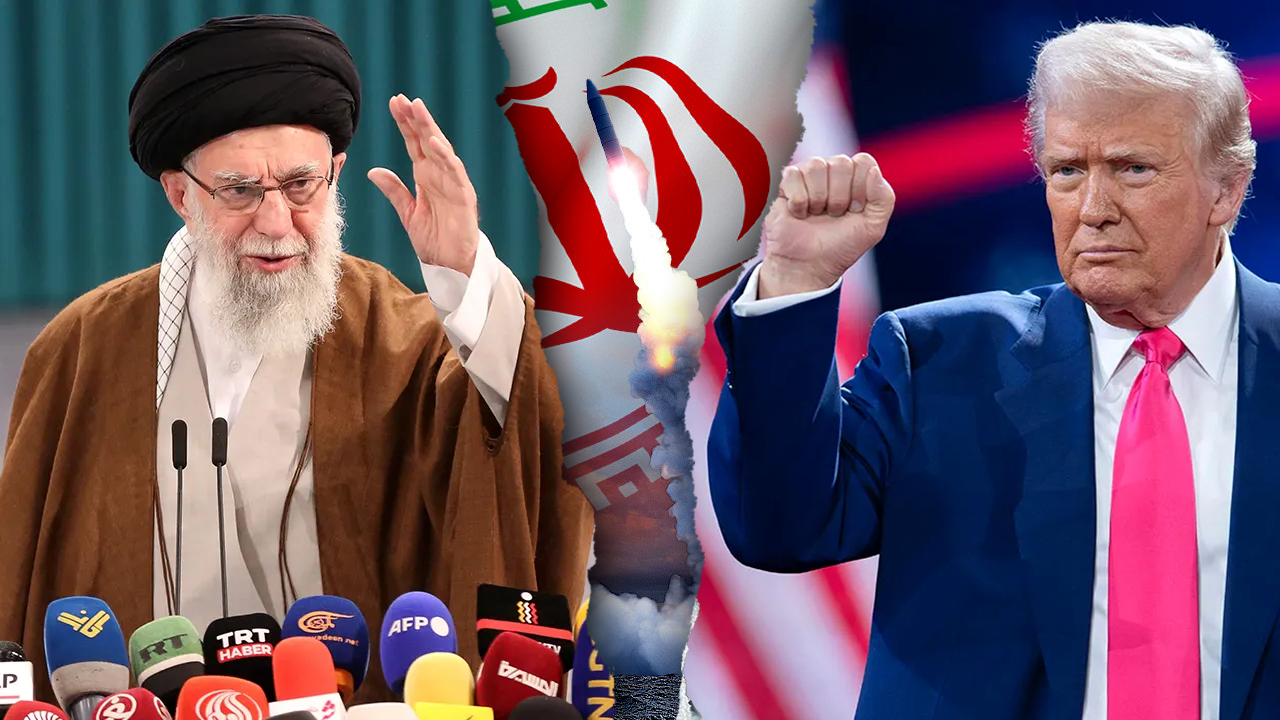
Don't listen to the hype about exploding Iranian oil wells. It's been more than three days since the U.S. issued a dire warning about a mechanical "meltdown" in Iran's energy sector, and so far, the only thing exploding is the price of crude oil. Mohammad Bagher Ghalibaf, the Speaker of Iran’s Parliament, isn't just ignoring the threats—he's laughing at them. On Thursday, he went as far as offering a 30-day live stream of the country's oil wells just to prove that Washington has no idea how their infrastructure actually works.
The back-and-forth between Tehran and Washington has reached a fever pitch. While the U.S. naval blockade tightens its grip on the Strait of Hormuz, the expected internal collapse isn't happening on the timeline the White House predicted. Instead, we’re seeing a high-stakes game of chicken where the global economy might be the ultimate loser.
The three day explosion that never happened
A few days ago, the U.S. administration made a very specific, very bold claim. The theory was that because of the naval blockade, Iran wouldn't be able to load its oil onto ships. This would supposedly cause a massive backup in the pipelines, leading to "internal mechanical explosions" that would permanently ruin the wells. President Trump even gave it a 72-hour window.
Well, that window closed.
Ghalibaf’s response was blunt. He called the warnings "junk advice" coming from people like Treasury Secretary Scott Bessent. It’s a classic case of psychological warfare. By offering to live stream the wells, Ghalibaf is trying to show the world—and specifically the oil markets—that Iran still has its hand on the tap.
The reality of Iranian storage capacity
Why hasn't the "mechanical explosion" happened? It comes down to basic engineering and logistics that the U.S. narrative seems to overlook. Iran isn't just a one-trick pony when it comes to storing its crude.
- Floating Storage: Iran has one of the largest fleets of Very Large Crude Carriers (VLCCs) in the world. When they can't ship oil out, they just park it on the water.
- Onshore Tanks: Huge storage farms, especially near Kharg Island, can hold tens of millions of barrels.
- Production Flexibility: You don't just "explode" a well by stopping the flow. Engineers can choke back production or shut in wells temporarily. It's not ideal for the equipment, but it doesn't result in a cinematic fireball.
Expert analysts, including those at Bloomberg, have noted that satellite imagery shows Iranian tankers are still active, and storage isn't at the "bursting point" yet. The U.S. claim that an exploded line can "never be restored" is also being viewed by industry veterans as a stretch. Infrastructure can be rebuilt. It’s expensive, but it’s not a death sentence.
Crude oil at 140 dollars a barrel
While the wells aren't blowing up, the market is definitely feeling the heat. Brent crude has already surged past $120, and Ghalibaf is predicting it’ll hit $140 soon. This is the real danger of the "blockade theory." Even if the blockade successfully keeps Iranian oil off the market, the resulting supply shock hurts everyone.
The U.S. is betting that economic pressure will force Iran to collapse from within. Ghalibaf knows this. He’s been telling the Iranian public that the blockade is designed to sow "internal discord" and split the country between hardliners and moderates. By appearing in his IRGC uniform and speaking with bravado, he’s trying to project a front of total unity.
The mindset behind the blockade
This isn't just about oil; it’s about a fundamental disagreement on how much pressure a nation can take. The U.S. thinks the breaking point is days away. Iran thinks they can hold out for months.
The U.S. strategy relies on the idea that Iran’s government is "seriously fractured." With the loss of several high-ranking leaders in recent strikes, Washington sees an opening. But Ghalibaf has emerged as a central figurehead during this war, and he’s using these "failed" predictions to consolidate power. Every day a well doesn't explode is a propaganda win for him.
What you should watch next
Keep a close eye on the shipping data. The "ghost fleet" of tankers Iran uses to bypass sanctions is the real indicator of how much oil is actually moving. If those ships stop moving entirely, the storage capacity will eventually fill up.
If you're an investor or just someone worried about gas prices, don't take the "three-day" warnings at face value. Energy infrastructure is more resilient than politicians like to admit. Watch the $130 price point for Brent crude—if it breaks that, we’re in uncharted territory. For now, the "live stream" offer from Tehran is the ultimate middle finger to the blockade strategy.