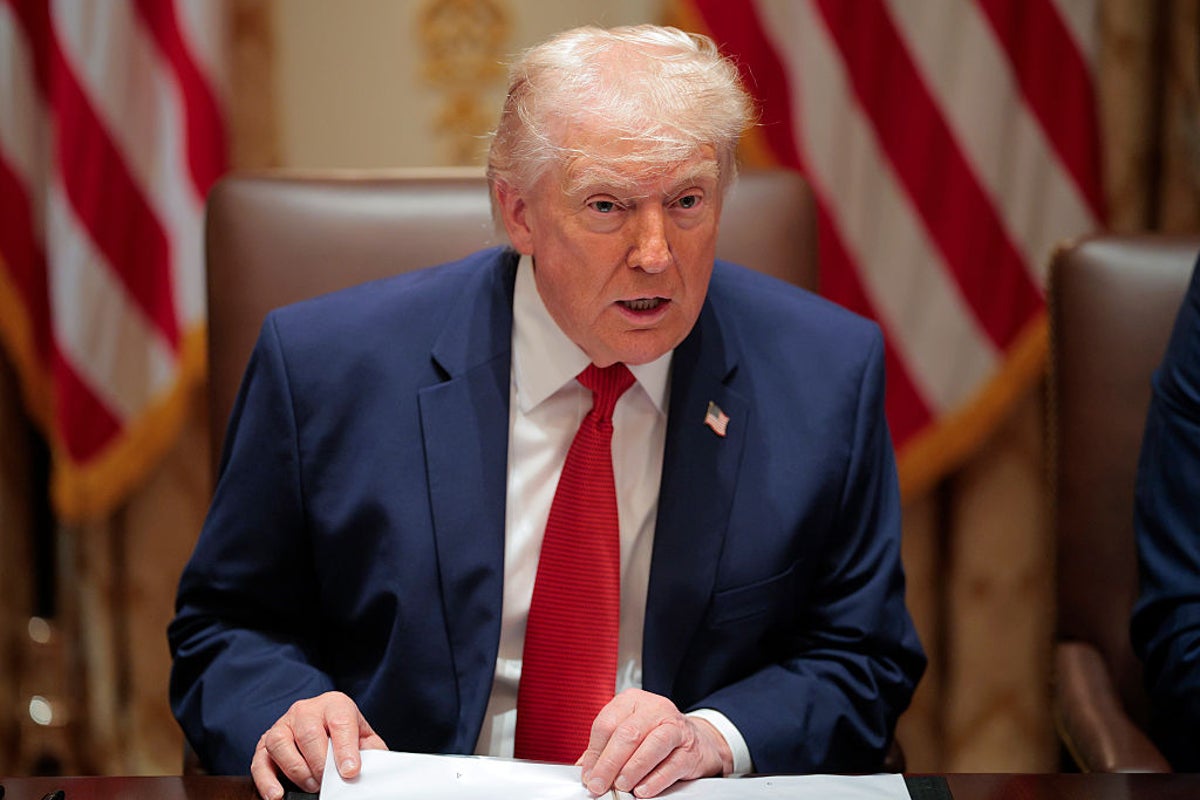
Donald Trump doesn't do subtle, and he certainly doesn't do traditional diplomacy when he thinks he's being stiffed. Tonight, the President takes to the airwaves for a primetime address that feels less like a status update on the war with Iran and more like an ultimatum to the rest of the world. He’s already signaled his hand on Truth Social, claiming he’ll keep "blasting Iran back to the Stone Ages" until the Strait of Hormuz is wide open. But the real shocker isn't just the fire and fury directed at Tehran; it's the fact that he's holding the entire NATO alliance hostage to get what he wants.
If you’ve been following the escalation of Operation Midnight Hammer and the subsequent maritime chaos, you know the stakes. Oil prices aren't just high—they're crippling. The global economy is twitching. And in Trump’s mind, the United States is once again playing the world’s policeman while our allies sit on their hands and enjoy the protection of a "free" waterway.
The Stone Age threat and the ceasefire claim
Trump recently dropped a massive claim that Iran's new leadership—whom he described as "much less radicalized" than the old guard—is begging for a ceasefire. Whether that's a genuine diplomatic breakthrough or just Trumpian theater remains to be seen. Iran has publicly called his remarks "false and baseless," which is exactly what you'd expect them to say even if they were sweating behind the scenes.
The President's "Stone Ages" rhetoric isn't just a catchy phrase for his base. It’s a direct reference to the intensity of the U.S.-Israeli strikes. We’re talking about the systematic dismantling of Iranian infrastructure. Trump’s message is clear: the bombing doesn't stop because you asked nicely. It stops when the oil flows. He’s betting that the sheer weight of American air power will break the regime's will before the global economy breaks under the weight of $200-a-barrel oil.
NATO on the chopping block
The most aggressive part of this strategy isn't even aimed at Iran. It’s aimed at Brussels. Trump is "absolutely" considering pulling the U.S. out of NATO, according to recent comments to Reuters. He’s disgusted. He’s frustrated. And honestly, he’s bored with the old rules of the "special relationship."
He sees a fundamental unfairness in the current setup:
- The U.S. Navy does the "heavy lifting" to secure the Strait.
- European countries depend on that oil to keep their lights on.
- European leaders refuse to send ships or troops, citing "de-escalation" and domestic opposition.
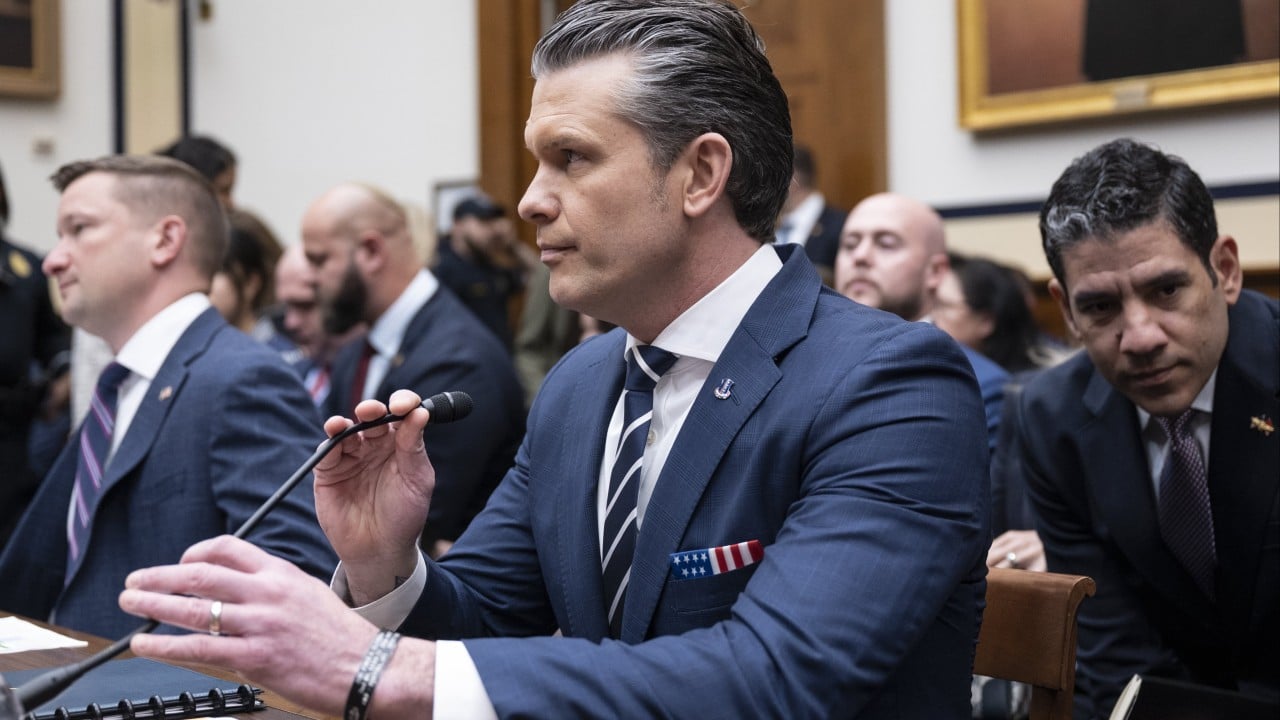
For Trump, this is the ultimate "delinquent" behavior. Defense Secretary Pete Hegseth has already started laying the groundwork, pointedly refusing to reaffirm the U.S. commitment to NATO’s collective defense. This isn't just a bluff to get more funding anymore. It’s a fundamental questioning of whether Article 5 even applies if the allies won't help in a conflict that affects everyone's bottom line.
A fractured alliance and a royal visit
The timing couldn't be weirder. While Trump is calling the UK’s Royal Navy "weak" and insulting Prime Minister Keir Starmer, King Charles is still scheduled for a state visit to Washington later this month. It’s a bizarre split-screen moment. One minute Trump is threatening to abandon the alliance that has defined Western security for 80 years, and the next he’s calling the King’s upcoming address to Congress a "momentous occasion."
But don't let the pageantry fool you. The friction is real. In Britain, nearly 60% of people oppose the U.S. using UK bases for the Iran conflict. Across Europe, the war is viewed as a reckless gamble that’s driving up the cost of living and risking a broader regional meltdown. Trump’s "America First" approach has finally hit a wall where the interests of the U.S. and its oldest allies don't just diverge—they collide.
The China factor in the Hormuz crisis
Trump isn't just looking West; he’s looking East with the same transactional lens. He’s threatened to delay his summit with President Xi Jinping, arguing that China gets 90% of its oil through the Strait and should be doing the work to unblock it.
This is a classic Trump squeeze play. He’s trying to force everyone—friend and foe alike—to choose a side. You’re either helping the U.S. clear the shipping lanes, or you’re a "taker" who deserves to suffer the economic consequences of the blockade. It’s a high-stakes game of chicken where the prize is global energy security and the penalty is the collapse of the post-WWII international order.
What to watch for in tonight’s address
When the cameras turn on tonight, don't just listen for the rhetoric about Iran. Listen for the specific demands made to NATO. If Trump explicitly links American participation in the alliance to naval support in the Persian Gulf, the world just changed.
Here is how you can track the impact of the speech:
- Watch the Brent Crude ticker: If the markets think a ceasefire is real, prices will dip. If the NATO threats escalate, expect another spike.
- Check the European response: Watch for statements from Berlin and Paris. If they don't budge on shipping, Trump’s "NATO exit" talk moves from a threat to a checklist.
- Monitor the "Stone Age" strikes: Look for reports on Iranian infrastructure. If the bombing intensifies after the speech, the "Stone Age" isn't a metaphor—it's the mission.
Trump is betting that the world needs American security more than he needs the approval of European diplomats. It’s a gamble that assumes the U.S. can go it alone in the Middle East while walking away from the Atlantic. We’re about to find out if he’s right, or if he’s just setting the stage for a global isolation that no amount of bombing can fix.