The idea of American soldiers returning to the Middle East makes people flinch. It’s a visceral reaction born from twenty years of desert warfare that didn't always have a clear exit strategy. But Donald Trump just signaled that the "no more wars" doctrine has a massive asterisk attached to it. By refusing to rule out putting boots on the ground in Syria, the President-elect is resetting the board before he even takes the oath of office. He's telling the world that while he hates "stupid wars," he isn't a pacifist.
This isn't just tough talk for the sake of a headline. It’s a calculated move to keep every player in the region—from the remnants of the Assad regime to the various rebel factions and Iranian proxies—off balance. If you're a world leader trying to guess what the U.S. will do next, Trump just made your job a lot harder.
The Hegseth Factor and the End of Pearl Clutching
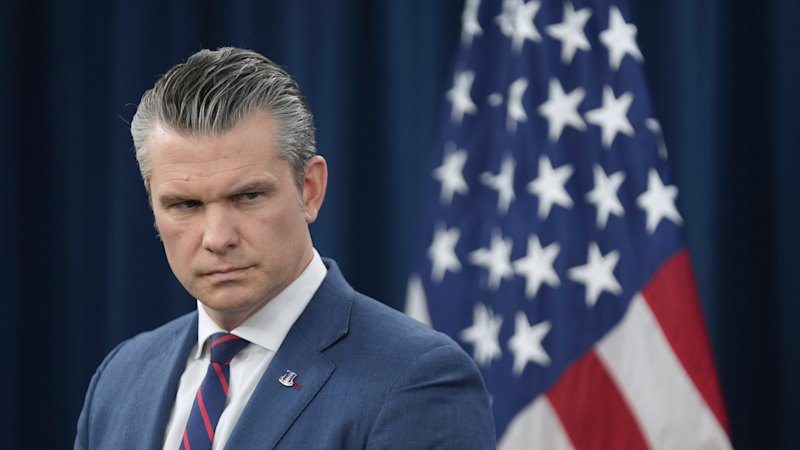
Pete Hegseth is already making waves as the pick for Defense Secretary, and he isn't interested in making friends at NATO cocktail parties. His recent comments about "pearl-clutching" allies highlight a growing rift in how the West views military intervention. Hegseth's logic is pretty blunt. He thinks the foreign policy establishment is too worried about optics and not worried enough about winning or protecting specific American interests.
When Hegseth slams allies for their nervous reactions to Trump’s rhetoric, he’s targeting a specific type of diplomacy. It’s the kind that prioritizes consensus over results. For Hegseth and the incoming administration, if the U.S. needs to secure oil fields or prevent a massive ISIS resurgence, they’ll do it. They won't wait for a committee in Brussels to give them a thumbs up. This "America First" military posture assumes that our allies have become too dependent on American restraint.
Why Syria is a Unique Headache
Syria is a mess. That’s the technical term. You have the Syrian Democratic Forces (SDF) in the east, Turkish-backed groups in the north, and a power vacuum in Damascus that’s currently being contested by a dozen different interests. Most people don't realize how small the current U.S. footprint is. We’re talking about roughly 900 troops. They’re mostly there for "advise and assist" missions against ISIS.
But "boots on the ground" implies something much bigger. It implies a combat role. It implies seizing territory or holding a line against an advancing army. Trump's refusal to take this off the table suggests he sees Syria as a piece of a much larger puzzle involving Iran. If the goal is to choke off Iranian influence, Syria is the geographic bottleneck.
The Oil and the Leverage
Remember when Trump said, "We’re keeping the oil"? He wasn't joking. He views natural resources as both a prize and a bargaining chip. In the 2026 landscape, energy security is even more volatile than it was four years ago. By maintaining or even expanding a presence near Syrian oil fields, the U.S. keeps a financial straw out of the hands of its enemies.
It also gives the U.S. a seat at the table for any future peace talks. If you don't have skin in the game, nobody cares what you think. Having troops—real, physical soldiers—in a region is the ultimate form of diplomatic currency. It’s hard to ignore a superpower when their tanks are parked on your doorstep.
Risk of Mission Creep vs Strategic Ambiguity
The biggest critique of this approach is the risk of "mission creep." It starts with a few hundred specialized troops and ends with a decade-long occupation. Critics argue that by even mentioning boots on the ground, Trump is inviting an escalation. They fear that a small skirmish could spiral into a full-blown conflict that the American public has no appetite for.
However, there’s a counter-argument called strategic ambiguity. If you tell your enemy exactly what you won't do, you’ve just given them a roadmap for how to beat you. By saying "maybe," Trump forces adversaries to prepare for the worst-case scenario. It’s a high-stakes game of chicken. It’s a move straight out of The Art of the Deal, applied to the bloodiest theater on the planet.
What This Means for the Average American
You might wonder why you should care about a few thousand miles of sand and a civil war that’s been going on since 2011. It comes down to two things: regional stability and the price of a gallon of gas. A total collapse in Syria doesn't stay in Syria. It spills into Iraq, it threatens Jordan, and it creates a refugee crisis that hits Europe and eventually ripples back to U.S. shores.
If Trump actually sends more troops, it’ll be a political firestorm. The "isolationist" wing of the GOP will hate it. The "interventionist" Democrats will call it reckless. But Trump doesn't seem to care about those labels anymore. He’s looking at the map through a lens of power dynamics.
The Immediate Outlook for 2026
We’re likely to see an increase in drone strikes and special operations raids before any massive troop deployments happen. The goal will be to "clear the brush" and see who the real power players are in the post-Assad era. If the various rebel groups can't keep ISIS down, that’s when the conversation about "boots" gets very real.
Watch the language coming out of the Pentagon over the next few months. If the talk shifts from "counter-terrorism" to "territorial integrity," that’s your signal that a larger deployment is on the horizon. Don't expect a formal declaration or a long lead-up. This administration prefers the lightning strike over the long march.
Keep an eye on the Turkish border. Turkey is a NATO ally with its own very specific ideas about who should control Northern Syria. If Trump and Erdogan can't see eye-to-eye, the risk of an accidental clash between "allied" forces goes up significantly. That’s the real danger zone.
The next step for anyone following this is to monitor the Senate confirmation hearings for Hegseth. That’s where the "pearl-clutching" will reach a fever pitch, and we’ll get the clearest picture of exactly how many boots might be hitting the ground and how fast they’ll get there. If he doesn't back down under questioning, believe him.