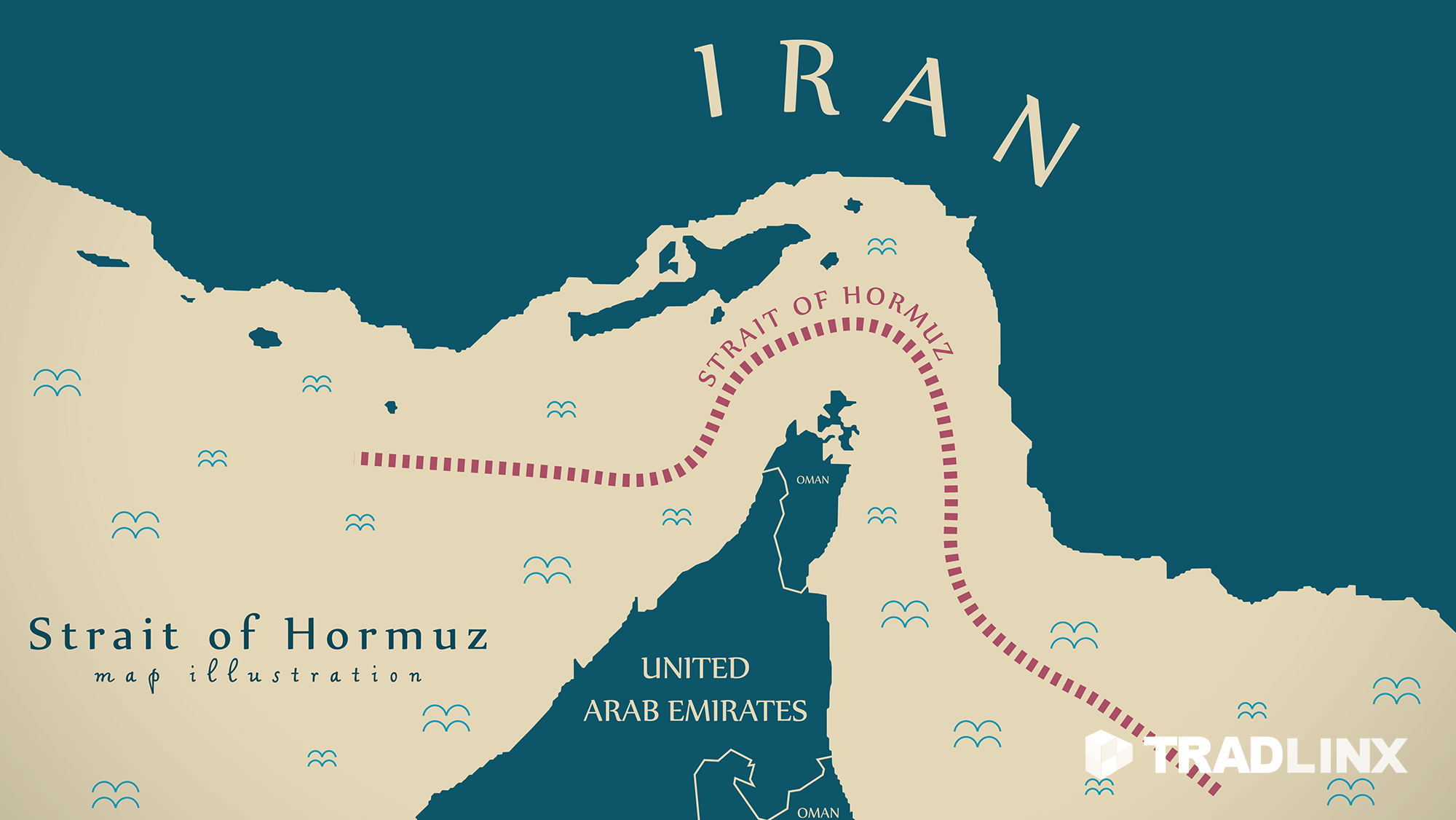
The global economy is currently staring down the barrel of a $120 oil price tag, and President Donald Trump just decided to pull the trigger on a massive gamble. Starting Monday morning, May 4, 2026, the United States is launching "Project Freedom." It’s a high-stakes naval operation designed to "guide" over 850 stranded commercial ships out of the Persian Gulf and through the Strait of Hormuz.
If you’re wondering why this matters to you, look at your gas bill or the price of groceries. This narrow waterway handles 20% of the world's oil and gas. Since the conflict kicked off on February 28, that flow has been choked to a trickle.
The Project Freedom gamble
Trump isn't calling this a military escort. He’s labeling it a "humanitarian gesture." On Truth Social, he claimed the mission is for the benefit of everyone involved, even Iran. But don't let the soft language fool you. U.S. Central Command (CENTCOM) is backing this "gesture" with 15,000 service members, guided-missile destroyers, and over 100 aircraft.
The situation inside the Gulf is getting desperate. About 20,000 sailors are currently trapped on tankers and cargo ships. They're running low on food, clean water, and basic supplies. Most of these crews aren't even combatants; they're merchant mariners from places like India and Southeast Asia caught in a geopolitical vice.
I’ve seen how these naval blockades play out. It’s never just about the ships. It’s about who blinks first. Trump is betting that by framing this as a rescue mission for neutral ships, he can bypass the Iranian blockade without triggering a full-scale return to active hostilities.
Iran’s red line in the water
Tehran isn't buying the humanitarian angle. Ebrahim Azizi, who heads Iran’s National Security Commission, was blunt: any U.S. interference in the Strait will be viewed as a violation of the current ceasefire. Iran has spent the last few months trying to establish a "new maritime regime." Basically, they want to charge a toll for any ship passing through—unless it’s American or Israeli, in which case, it’s blocked entirely.
There’s a massive disconnect here that could lead to a disaster.
- The U.S. position: We’re just helping neutral ships leave so they don't starve.
- The Iranian position: You’re violating our sovereignty and the ceasefire terms.
Just hours after Trump’s announcement, a tanker was reportedly hit by "unknown projectiles" north of Fujairah. Everyone is on edge. If a U.S. destroyer fires back at an Iranian patrol boat on Monday, that fragile three-week ceasefire is effectively dead.
What this means for your wallet
The war has already sent shocks through the global market. Oil prices have been sitting around $120 a barrel, and the World Bank is warning of a "commodity shock" that could rival the 1970s. We aren't just talking about gasoline. The Strait of Hormuz is also a primary exit point for fertilizers. If those don't move, food prices globally are going to spike even higher than they already have.
Trump’s move is a clear attempt to break the economic stranglehold. By escorting these ships out, he’s trying to flood the market with the millions of barrels of oil currently sitting idle in the Gulf. It’s a supply-side solution to a military problem.
The risks of Project Freedom
We need to be honest about the tactical nightmare here. The Strait of Hormuz is only 21 miles wide at its narrowest point. The shipping lanes themselves are only two miles wide. Navigating a massive tanker through those waters is hard enough. Doing it while Iranian fast-attack boats are buzzing around and U.S. drones are overhead is a recipe for a "miscalculation."
Iran’s navy uses small, nimble boats that are incredibly hard to track on radar until they’re right on top of you. If one of those boats gets too close to a U.S.-escorted tanker, the rules of engagement get very blurry, very fast. Trump warned that any interference would be "dealt with forcefully." That’s not exactly the kind of language that de-escalates a situation.
Your next steps
Keep a close eye on the news tonight and early Monday morning. If "Project Freedom" proceeds without a direct military exchange, we might see a slight dip in oil futures as the market breathes a sigh of relief. If there’s an engagement, expect energy prices to move even higher.
If you’re a business owner or someone worried about rising costs, now is the time to lock in contracts or hedge against further energy price increases. The next 24 hours will tell us if we’re heading toward a regional peace or a much larger fire.
Trump's Strait of Hormuz Plan Explained
This video provides an expert breakdown of why the Strait of Hormuz is such a critical chokepoint and how Trump’s escort plan serves as a high-pressure tactic in ongoing negotiations.