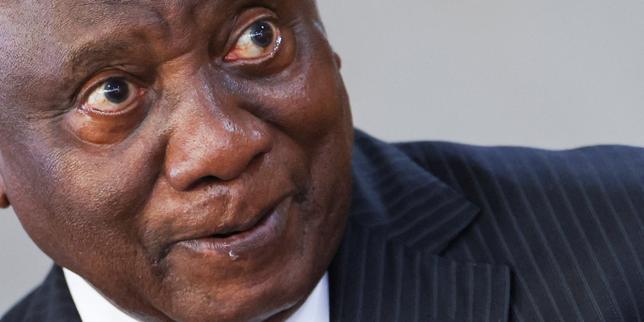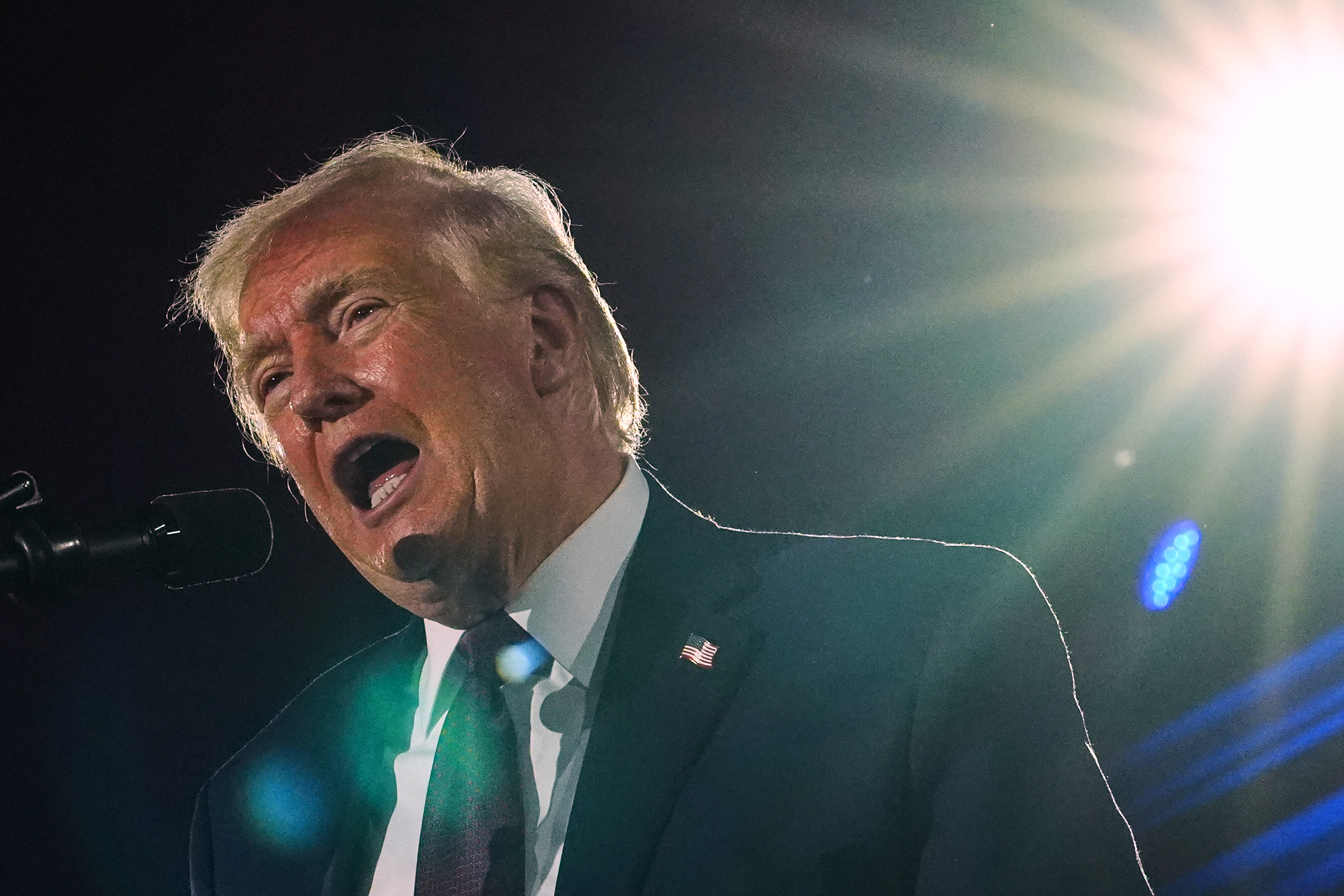
The standoff between Washington and Tehran just hit a fever pitch, and honestly, the mixed signals are enough to give any seasoned diplomat whiplash. President Donald Trump is out on Truth Social claiming the Iranian government is "begging" for a deal, while simultaneously warning them to "get serious soon" before things get "ugly." Meanwhile, Tehran is publicly trashing the White House’s 15-point ceasefire proposal as "excessive" and delusional.
Who's telling the truth?
It’s the classic high-stakes poker game we’ve come to expect from this administration. The U.S. has reportedly laid out a massive ultimatum—one that demands Iran dismantle its nuclear program, halt missile development, and basically hand over the keys to the Strait of Hormuz. Iran’s response was a flat "no," followed by a list of their own demands, including war reparations and guarantees that the U.S. won't attack them again.
But behind the fiery rhetoric, something is shifting. Trump isn't just shouting into the void; he’s betting that the military pressure from Operation Epic Fury and the recent elimination of top Iranian naval commanders has left the regime with no cards left to play.
The 15 point plan and why it's a non-starter for Tehran
The proposal sent through Pakistani intermediaries isn't just a ceasefire; it’s a total overhaul of Iran’s regional standing. Sources familiar with the document say it targets the very things Iran considers its "crown jewels."
- Nuclear Disarmament: A complete stop to all uranium enrichment and the removal of existing stockpiles.
- Missile Constraints: Hard limits on ballistic missile range and technology.
- The Hormuz Factor: Ensuring "freedom of navigation" in a waterway Iran currently treats as its private driveway.
- Proxy Funding: Cutting off the financial lifelines to groups like Hezbollah and the Houthis.
For the leadership in Tehran, agreeing to this would be political suicide. They’ve spent decades building these "deterrents." Giving them up now would look like a total surrender to the Iranian public, who are already dealing with a tanking economy and a legacy of internal unrest.
Trump’s strange negotiators and the Truth Social factor
Trump’s recent posts calling Iranian negotiators "strange" and "different" highlight a bizarre reality. While the White House insists productive talks are happening, Iran’s Foreign Minister Abbas Araghchi says there are "no negotiations" at all.
It’s likely both are technically right. We’re seeing an "exchange of messages" through third parties like Pakistan and Turkey. Trump views this as the beginning of a capitulation. Tehran views it as a way to avoid getting hit by more B-2 bombers while they try to figure out who’s actually in charge after the chaos of the last few weeks.
The President’s "get serious" warning is a clear ultimatum. He’s essentially saying: I’ve given you the off-ramp. If you don't take it, the next round of strikes won't be limited to military bases. This isn't just bluster. With thousands of additional U.S. troops reportedly heading to the region, the threat of a ground intervention is more real than it’s been in decades.
The Strait of Hormuz is the world’s biggest headache
If you want to know why your gas prices are jumping or why the stock market is acting like a caffeinated toddler, look no further than the Strait of Hormuz. Iran has been playing a dangerous game of "pay to play," charging fees for "safe passage" and blocking ships they don't like.
Treasury Secretary Scott Bessent tried to downplay the "choke point" narrative recently, but the markets aren't buying it. A fifth of the world's oil flows through that narrow strip of water. Iran knows this is their only real leverage. By rejecting the ceasefire, they’re holding onto the one thing that keeps the rest of the world—especially China and India—calling for a diplomatic solution.
What happens if neither side blinks
We’re at a point where "too late" is fast approaching. Trump has set a mental deadline, and the Israelis are already accelerating their own timeline. Just this week, Israeli Defense Minister Israel Katz confirmed the hit on Commodore Alireza Tangsiri, Iran’s naval chief.
This is the "death and destruction" outcome envoy Steve Witkoff warned about. If Iran keeps insisting on war reparations and sovereign control of international waters, the U.S. and Israel will likely continue their campaign of "decapitation strikes."
The regime in Tehran is in a corner. They’re militarily bruised, their top leadership is being picked off, and their people are more worried about the price of rice than "regional resistance." But a cornered animal is often the most dangerous.
Don't expect a handshake in Geneva anytime soon. Watch the troop movements and the oil tankers. If Iran doesn't show a "present" of goodwill in the next 48 hours, the "pretty" window Trump mentioned is going to slam shut.
If you’re tracking this for your portfolio or just trying to understand the next global shift, keep your eyes on the Pakistani diplomatic channel. It’s the only real thread keeping a lid on a total regional meltdown. Watch for any signs of Iran "coordinating" ship traffic with the U.S. Navy—that’ll be the first real sign that the "strange" negotiators are actually listening.