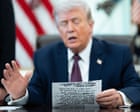
You’ve seen the headlines. On March 31, 2026, President Trump signed another executive order aimed at overhauling how you vote. This time, he’s targeting the U.S. Postal Service and mail-in ballots. He wants a national voter list and new restrictions on who gets a ballot in the mail. But here’s the reality you need to know: he almost certainly doesn’t have the legal power to pull this off.
The move is bold. It’s dramatic. It’s also sitting on incredibly shaky legal ground. If you’re worried about your ballot being blocked or the rules changing overnight, take a breath. The U.S. Constitution is pretty stubborn about who runs elections, and it isn't the guy in the Oval Office.
The Constitution Doesn't Work This Way
The most basic fact of American civics is that states run elections. Period. Article I, Section 4—often called the Elections Clause—explicitly gives state legislatures the power to set the "Times, Places and Manner" of holding elections for Senators and Representatives.
Congress can step in and pass laws to "make or alter" those regulations, but the President isn't part of that equation. He can sign a bill into law or he can veto it. He can’t just write his own rules because he’s frustrated with how Oregon or Florida handles their mail-in process.
I’ve looked at the legal challenges from the last time he tried this in 2025. The courts were clear then, and they’ll likely be clear now. Presidents don't have "inherent" authority over the ballot box. When Trump orders the Department of Homeland Security and the Social Security Administration to build a "national voter list," he’s trying to do an end-run around the National Voter Registration Act (NVRA). That 1993 law already tells agencies how to handle voter registration. An executive order can't just override a federal statute.
What the Order Actually Tries to Do
The 2026 order isn't just a suggestion; it’s a list of demands that would fundamentally change the U.S. Postal Service (USPS) if it were ever fully implemented.
- The National List: It tells federal agencies to compile a list of "confirmed citizens" and share it with states.
- Postal Restrictions: It orders the Postmaster General to only deliver mail-in ballots to people on that federal list.
- Funding Threats: It tells the Attorney General to withhold federal election money from "non-compliant" states.
- Special Envelopes: It mandates specific "secure markings" on all ballot envelopes.
The problem? The USPS is an independent agency within the executive branch. While the President appoints the Board of Governors, he doesn’t have the day-to-day authority to tell letter carriers which envelopes they are allowed to put in a mailbox. If a state like Washington—which has been doing all-mail elections for years—sends out a ballot that doesn't meet Trump’s "new" criteria, the USPS is legally obligated to deliver it as long as it has proper postage.
The "Show Your Papers" Problem
Trump’s argument is that these measures are about "election integrity" and preventing non-citizens from voting. He's repeatedly claimed, without evidence, that mail-in voting is riddled with fraud.
In reality, experts like Richard Hasen from UCLA and the legal team at the Brennan Center for Justice point out that the data just doesn't support the fraud narrative. More importantly, the "show your papers" approach could disenfranchise millions of legitimate U.S. citizens who don't have easy access to the specific documents the federal government might decide to require for its list.
Think about it. If you’re a military voter stationed overseas, you rely on the Uniformed and Overseas Citizens Absentee Voting Act (UOCAVA). This executive order creates a direct conflict with that law. Federal courts have already blocked similar attempts because the President can't just invent new hurdles for voters that Congress didn't authorize.
Why This is Happening Now
We’re heading into the midterms. This isn't just about law; it's about the narrative. By signing this order, Trump is signaling to his base that he’s "fighting" for them, even if he knows the courts will kill it in a few weeks.
It’s a classic move:
- Issue an order that sounds tough.
- Wait for a "rogue judge" (his words) to block it.
- Campaign on the idea that the "Deep State" is preventing secure elections.
It’s effective politics, but it’s terrible for election stability. It creates confusion for local election officials who are already underfunded and overworked. They now have to spend time explaining to voters why the President’s "new rules" don't actually apply to their local precinct.
What You Should Do Next
Don’t let the noise discourage you from voting. The legal reality is that your state’s laws are still the ones that matter.
- Check your registration now. Don't wait for a "national list" that might never exist. Go to your official Secretary of State website.
- Know your deadlines. Mail-in rules vary wildly by state. Some require ballots to be received by Election Day; others just need a postmark.
- Watch the courts. Organizations like the ACLU and the Brennan Center have already filed suits. These cases move fast.
The most likely outcome? A federal judge will issue an injunction within days, pausing the order while the lawsuit winds through the system. For now, the rules in your state remain the rules. If you're eligible to vote by mail today, you're still eligible tomorrow.
The President can sign all the papers he wants, but he can't rewrite the Constitution from a desk in the West Wing. Stick to the official guidance from your local election board. That’s the only voice that actually counts when it comes to your ballot.


