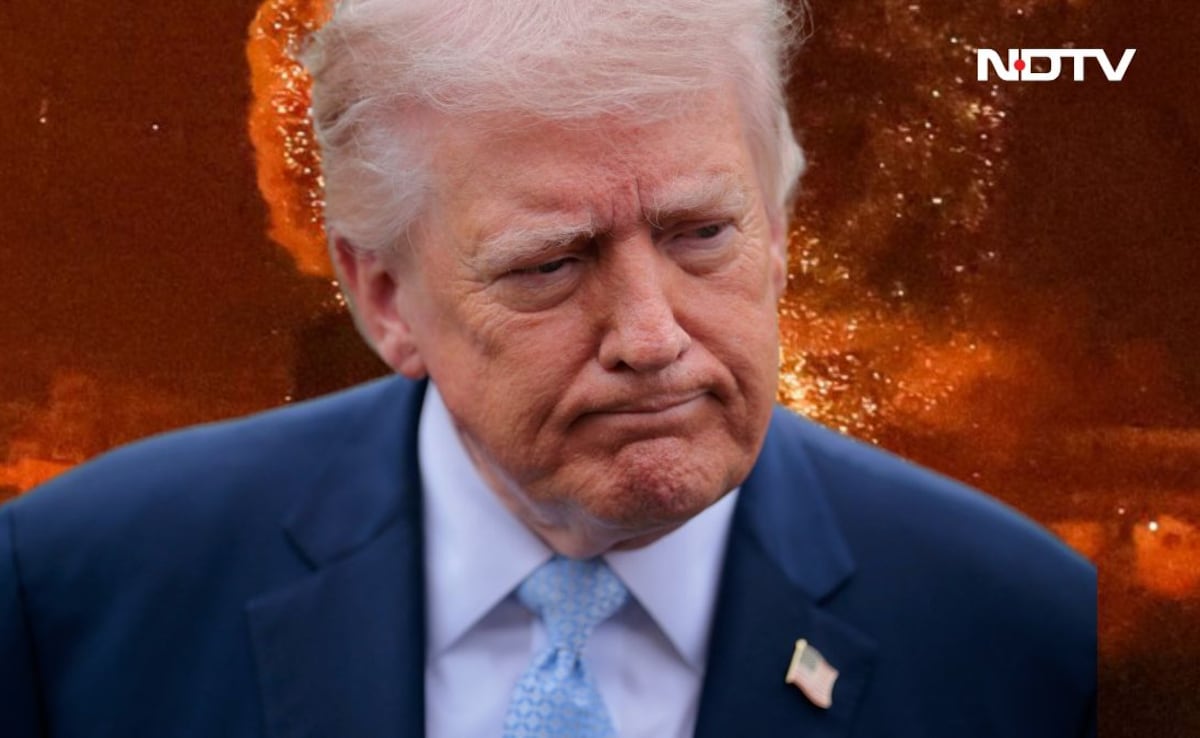
The rules of engagement in the Middle East just hit a hard reset. On Tuesday, President Trump didn't just hint at an exit from the Iran conflict; he basically drew a line in the sand with a two-to-three-week expiration date. But if you think this is a total retreat, you’re missing the fine print. The "spot hits" strategy is the real story here. It's a pivot from a sustained military campaign to a "whack-a-mole" approach that keeps Tehran guessing while trying to satisfy a domestic audience screaming about $4 gas.
We’ve seen this play before, but the stakes in 2026 are through the roof. The White House is calling this "Operation Epic Fury," and the goals are as aggressive as the name suggests. The administration wants to dismantle Iran’s nuclear capability and its navy, then pack up and head home. Trump’s logic is blunt: "I’ll leave, and I’ll take everybody with me, and if we have to, we’ll come back to do spot hits."
The Two Week Countdown and the Reality of Spot Hits
The "two weeks, maybe three" timeline sounds great for a headline, but it’s causing a massive headache for military planners and allies. You don't just "exit" a war of this scale in 14 days without leaving a vacuum. The "spot hits" concept is Trump’s answer to that vacuum. It basically means the U.S. stops occupying or maintaining a constant presence but reserves the right to drop a payload on any facility that looks like it’s getting too "nuclear" again.
Critics like Trita Parsi are already pointing out the flaw: the timeline keeps moving. A month ago, it was four days. Three weeks ago, it was three weeks. Now? It’s another two or three weeks. It’s a rolling deadline that keeps the market on edge while the S&P 500 swings wildly based on every Oval Office presser.
The real driver isn't just military success; it's the pump. Gas prices hitting $4 a gallon is the kind of political poison no administration can ignore during an election cycle. Trump basically admitted it: "All I have to do is leave Iran, and we’ll be doing that very soon, and [prices] will tumble down."
No Deal Needed and the Stone Age Doctrine
Perhaps the most startling part of the Tuesday briefing was the dismissal of a formal peace treaty. Trump is essentially saying he doesn't need a signature from Tehran to call it a win. He wants to "knock out every single thing" until the Iranian regime is "put into the Stone Ages" regarding their nuclear and missile tech.
This is a massive departure from traditional diplomacy. Normally, you want a deal to ensure the fighting doesn't restart the moment your boots leave the ground. By calling a deal "irrelevant," the administration is signaling that they trust American firepower more than Iranian promises.
- Nuclear Denial: The primary goal is making Iran "incapable" of building a weapon.
- Naval Neutralization: Ensuring the Strait of Hormuz isn't a constant choke point.
- Proxy Severance: Cutting off the "terrorist armies" outside Iran's borders.
A Cabinet Divided on the Exit
Behind the scenes, the "Epic Fury" strategy isn't as unified as the press releases suggest. We’re seeing a fascinating split between Secretary of State Marco Rubio and Vice President JD Vance. Rubio is the hawk, framing the war as a "favor" to the world. He’s looking at the long-term regional dominance.
Vance is playing it much closer to the "America First" chest. During the last Cabinet meeting, while Rubio was talking strategy, Vance was redirected to wishing the troops a happy Easter. It’s a clear sign that the "restraint" wing of the GOP is wary of a permanent entanglement. This internal friction is likely why we see these erratic timelines—it's a tug-of-war between "finish the job" and "bring them home."
The Strait of Hormuz and Global Oil
If the U.S. pulls out in three weeks, who guards the oil? Trump’s answer to the Europeans and the rest of the world was basically: "Go get your own oil." He’s signaled that the U.S. won't be the world's maritime police for the Strait of Hormuz anymore.
- The US Stance: "They'll be able to fend for themselves."
- The Global Reaction: China and Pakistan are already floating a five-point peace proposal to fill the gap.
- The Market: Brent crude is sitting near $118 a barrel, waiting to see if "spot hits" actually keep the peace or just invite more chaos.
Honestly, the "spot hits" strategy is a gamble. It assumes that a damaged regime will stay down just because they’re afraid of the next surprise strike. But as we’ve seen in decades of Middle Eastern conflict, "leaving" is often the hardest part of the mission.
What Happens Next
Watch the 9 p.m. address tonight. That’s where the "important update" happens. If Trump doubles down on the two-week exit, expect the markets to rally briefly on the hope of lower energy costs. But keep an eye on the "spot hits" language. If that becomes the primary doctrine, it means the U.S. isn't really leaving; it's just moving the fight to the skies.
If you’re watching the markets or your local gas station, don't expect an overnight drop. Even if the U.S. pulls back, the regional instability and the threat of Iranian retaliation against Gulf neighbors—especially military bases used by the U.S.—will keep the risk premium high. The war has already claimed 13 U.S. service members and thousands of Iranians. An abrupt exit might stop the daily body count, but the "spot hit" era is just beginning.
Move your focus to the Strait of Hormuz. If the U.S. truly steps back from protecting that waterway, the price of oil won't be determined by Washington anymore—it'll be determined by whoever has the biggest navy left in the Persian Gulf. Get ready for a bumpy April.


