Panic spreads faster than any pathogen on a cruise ship. When news broke that British passengers were being hauled off a luxury vessel due to Hantavirus concerns, the headlines went into overdrive. It sounds like a movie plot. You're in the middle of a dream holiday, and suddenly, people in biohazard suits are telling you to pack your bags. But if you're one of those passengers—or if you've got a cruise booked—you don't need sensationalism. You need to know exactly what this virus does, why the evacuation happened, and how to navigate the legal and medical mess that follows.
Hantavirus isn't your garden-variety cruise bug like Norovirus. It's serious. It's rare. And honestly, it’s a bit terrifying because of how it’s transmitted. Most people think they’re safe from "wilderness" diseases on a pristine ship, but reality just hit hard for hundreds of travelers.
Why Hantavirus on a Ship is a Logistics Nightmare
Most people associate Hantavirus with dusty cabins in the mountains or rural barns. It’s spread by rodents—specifically through their saliva, urine, and droppings. When these dry out and get stirred into the air, you breathe them in. That’s the "aerosolization" process that triggers an outbreak.
You might wonder how a rodent problem gets bad enough on a multi-million dollar ship to warrant an evacuation. Ships are floating cities with miles of ductwork, storage lockers, and food galleys. If a batch of supplies comes on board from a contaminated warehouse, the clock starts ticking. Once the medical team on board identifies a potential case, the UK Health Security Agency (UKHSA) and international maritime authorities don't play around. They can't.
The mortality rate for certain strains, like the Hantavirus Pulmonary Syndrome (HPS) found in the Americas, can be as high as 38%. While the European and Asian strains—often causing Hemorrhagic Fever with Renal Syndrome (HFRS)—are usually less lethal, they still land you in a hospital bed with kidney failure. That’s why the "evacuation" wasn't a suggestion. It was a mandatory move to save lives and stop a localized outbreak from becoming a global tracking nightmare.
The Reality of the Evacuation Process
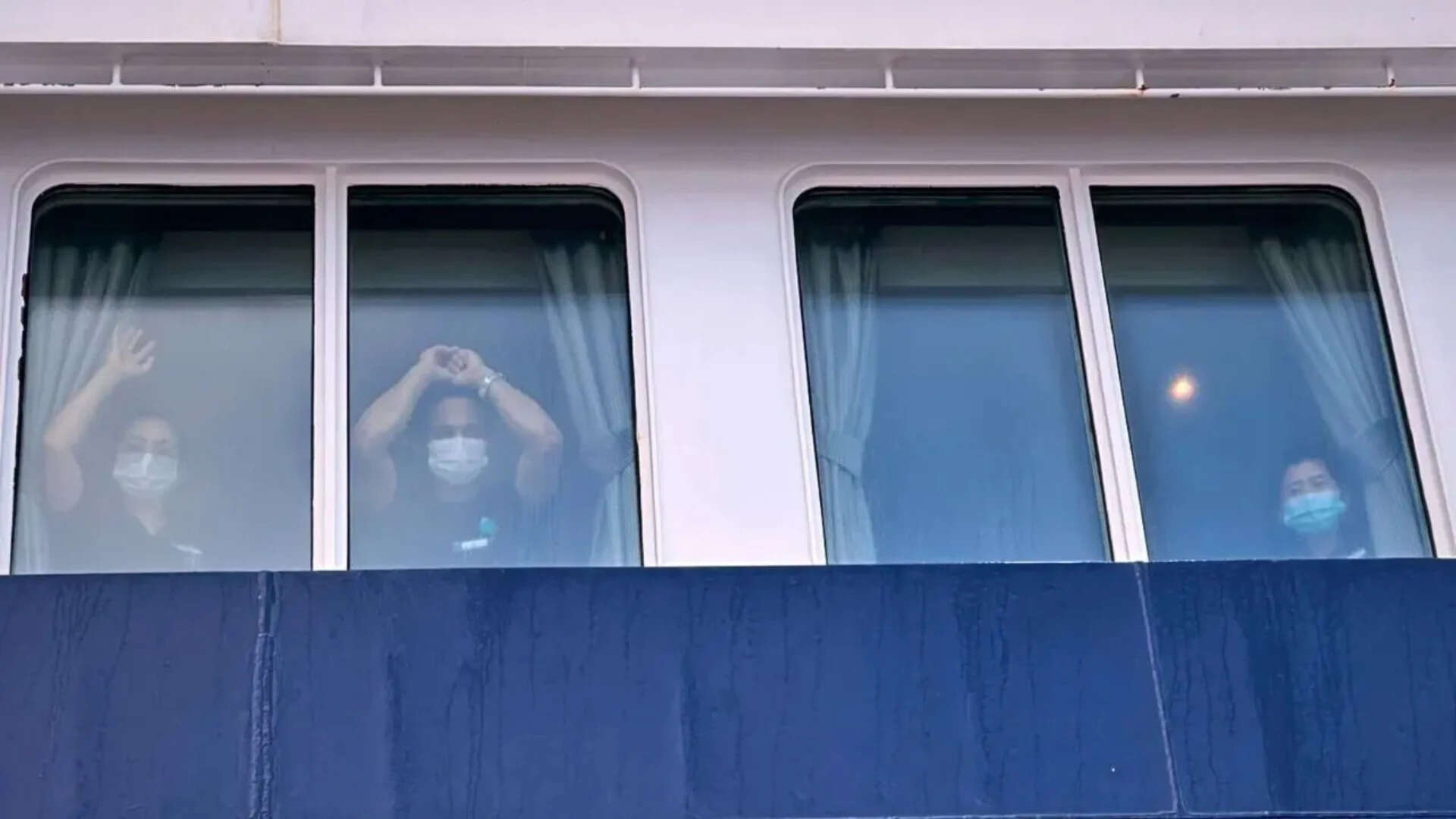
If you were on that ship, your holiday didn't just end. It transformed into a series of bureaucratic hurdles. Passengers describe a chaotic scene of "controlled disembarkation." That's just a fancy term for being funneled through checkpoints, screened for fevers, and told you might be under surveillance for weeks.
The incubation period for Hantavirus is a massive window. Symptoms usually show up between one and eight weeks after exposure. Think about that. You could feel fine today, go home to your family in Birmingham or London, and get hit with a life-threatening fever two months from now. This delay is why the UKHSA is so aggressive with contact tracing.
British passengers are now in a limbo state. They aren't just dealing with jet lag. They're dealing with "active monitoring." This involves daily temperature checks and a strict list of symptoms to watch for. If you develop a sudden headache, muscle aches in your large muscle groups, or a dry cough, you aren't supposed to go to your GP. You call a dedicated line. You stay isolated. It’s a lonely, stressful way to spend the weeks following a vacation.
Medical Red Flags You Can't Ignore
Don't mistake this for the flu. While early symptoms like fever and chills mimic a dozen other illnesses, Hantavirus has a nasty habit of progressing rapidly.
In the early stages, look for extreme fatigue and deep muscle aches, especially in the thighs, hips, and back. Some people get dizzy. Some get "abdominal issues" like vomiting or diarrhea, which leads many to think it's just food poisoning from the ship's buffet.
The turning point happens about four to ten days after the first symptoms. This is the "cardiopulmonary phase." Your lungs start filling with fluid. You feel like you're breathing through a straw. At this point, oxygen therapy and intubation are often the only things keeping a patient alive. There is no specific cure, no "Hantavirus pill" you can take. Doctors just support your body until it fights the virus off. This is exactly why the evacuation happened. A cruise ship infirmary is great for stitches or seasickness, but it's not an ICU equipped to handle a respiratory crisis.
Your Rights and the Insurance Battle
Now comes the part that everyone hates talking about but everyone needs to know. Who pays for this?
If you were evacuated, your first instinct is to blame the cruise line. And you're probably right to do so. Cruise lines have a "duty of care." They're responsible for maintaining a sanitary environment. If rodents were nesting in the ventilation or food storage areas, that’s a massive breach of protocol.
Travel Insurance vs Cruise Line Compensation
Most cruise lines will offer a refund for the "unused portion" of the trip. Honestly, that's an insult. You didn't just lose three days of a cruise; you lost your peace of mind and potentially your health.
- Check your Policy: Look for "Trip Interruption" clauses. Some policies cover "quarantine" or "mandatory evacuation by a government authority."
- Document Everything: Keep your boarding passes, the official letters handed out by the crew, and any medical screening papers from the port.
- Medical Costs: If you’re a UK resident, the NHS covers your immediate care. But if you have ongoing complications or lost wages from being unable to work during your monitoring period, that's where a legal claim against the cruise line comes in.
Don't sign any waivers immediately. Cruise lines often try to hand out "future cruise credits" in exchange for you waving your right to sue. If you've been exposed to a virus with a two-month incubation period, signing a waiver on day one is the worst move you can make. Wait until you're out of the danger zone.
What Happens to the Ship
The ship itself is basically a crime scene for sanitization experts. You can't just spray some bleach and call it a day.
Industrial hygienists have to go in with high-grade disinfectants. They focus on the "hot spots"—the HVAC systems, the sub-flooring, and the cargo holds. They use HEPA-filtered vacuums because using a regular broom would just kick the virus back into the air.
The ship won't sail again until it passes a rigorous inspection by maritime health authorities. For the cruise line, this is a PR disaster. For the passengers, it’s a lesson in the fragility of modern travel. We think we've conquered these "wild" diseases with our steel hulls and air conditioning, but nature finds a way in through the smallest cracks.
How to Protect Yourself on Future Cruises
It’s easy to say "I’m never cruising again," but that’s an overreaction. Millions of people cruise every year without catching a rare rodent-borne virus. However, you should be smarter about it.
Before you book, check the CDC’s Vessel Sanitation Program (VSP) scores. They're public. If a ship has a history of failing inspections for pest control or food safety, stay away. It doesn't matter how cheap the balcony suite is.
When you're on board, pay attention to the air quality in your cabin. If you see signs of pests—droppings or chewed packaging—report it instantly. Don't be "polite." This isn't just about a dirty room; it's about your life.
If you’re one of the passengers currently under monitoring, stay disciplined. The risk to the general public in the UK is extremely low because the virus doesn't usually spread from person to person. But the risk to you is real. Monitor your temperature twice a day. Keep a log. If that fever spikes, get to the designated hospital immediately and tell them exactly which ship you were on.
Dealing with the aftermath of a Hantavirus scare is an exhausting mix of medical anxiety and legal frustration. Focus on your health first. The lawyers and the insurance companies can wait until you're breathing easy again.
Take your temperature right now. If it's over 38°C and you were on that ship, stop reading and call the health authorities. If you're clear, start gathering your paperwork. You've got a long road of claims ahead of you, and being organized is the only way you'll get what you're owed.