Japan's tourism industry just pulled off a feat that almost nobody saw coming. February 2024 saw 2,788,000 international visitors land in the country. That's not just a healthy recovery. It's an all-time record for February. If you’ve walked through Kyoto’s Gion district or tried to snag a dinner reservation in Shinjuku lately, you don't need the Japan National Tourism Organization (JNTO) to tell you it's crowded. You can feel it.
What’s wild is how this happened. Historically, China was the engine room of Japanese tourism. Before the world shut down, one in three tourists in Japan was from the mainland. Today? China is still lagging far behind its 2019 levels. Yet, Japan is hitting peak numbers anyway. This shift tells us everything about how global travel habits have changed and why the old "rely on one neighbor" strategy is officially dead.
Why Japan Is Winning the Post-Pandemic Travel War
The sheer diversity of the current crowd is the real story. South Korea, Taiwan, and Southeast Asia are filling the void left by China. South Korea alone sent over 800,000 people in February. That’s massive. But it isn't just regional neighbors. Travelers from the United States and Europe are arriving in numbers that defy the long flight times and high jet fuel costs.
The weak yen is the obvious elephant in the room. Honestly, Japan is on sale. For anyone holding dollars or euros, your purchasing power is through the roof. You’re getting luxury experiences, world-class sushi, and high-end stays for prices that would barely buy a mid-range meal in New York or London. This exchange rate advantage acts like a giant magnet, pulling in people who maybe had Japan on their "someday" list but decided that "someday" is right now.
The Lunar New Year Ripple Effect
February was always going to be big because of the Lunar New Year. While Chinese group tours haven't returned to their former glory, travelers from Taiwan, Hong Kong, and Singapore more than made up for it. These regions saw triple-digit growth compared to previous years. They’re staying longer. They’re spending more. They’re exploring beyond the "Golden Route" of Tokyo, Kyoto, and Osaka.
I’ve seen this firsthand in places like Ishikawa and Hokkaido. People aren't just doing the city crawl anymore. They’re heading to the mountains for powder snow or seeking out traditional ryokans in remote prefectures. The demand is so high that the infrastructure is actually struggling to keep up.
The Chinese Visitor Mystery
So, where is everyone from China? It's complicated. While the Japanese government has eased entry, the Chinese economy is facing its own internal struggles. People aren't spending as freely. There’s also the issue of flight capacity. Airlines haven't fully restored the sheer volume of routes that existed five years ago.
Then there's the shift in how people want to travel. The era of the "bakugai" or explosive buying sprees by huge busloads of tourists is fading. Even the Chinese tourists who are coming are younger, more independent, and less interested in shopping for rice cookers. They want "experiences"—which is the most overused word in travel, but here it actually means something. They want local food, unique photography spots, and a deeper connection to the culture.
How Japan Is Managing the Overflow
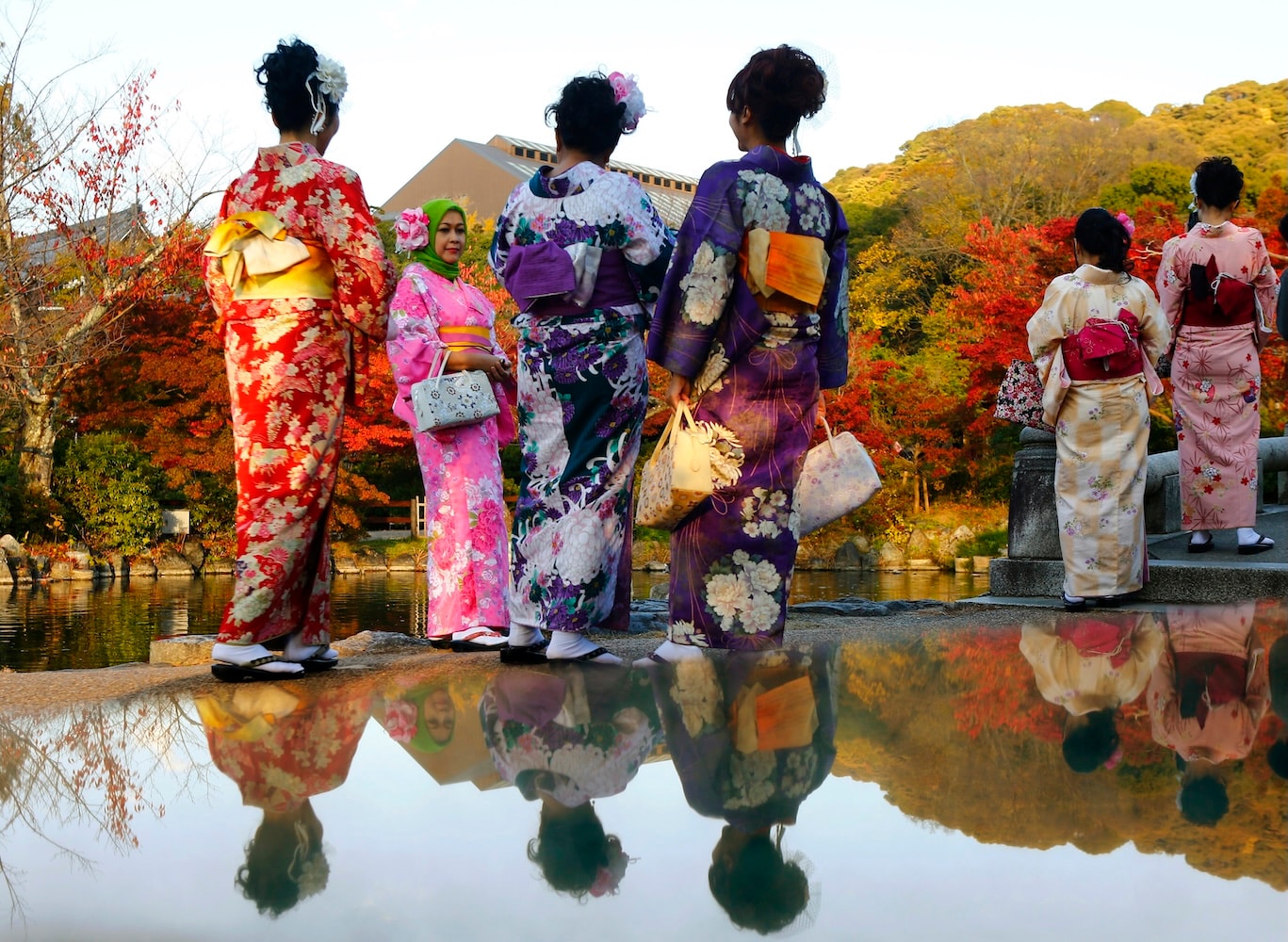
Overtourism is no longer a buzzword; it’s a daily reality. The local government in Kyoto recently had to close certain private alleys in the geisha district because tourists wouldn't stop harassing the performers for selfies. It’s getting messy.
The strategy now is "value over volume." If you can’t handle more people, you have to get the people who are already there to spend more. That's why we're seeing a surge in luxury hotel openings and high-priced exclusive tours. Japan wants to move away from being a budget destination for the masses and instead position itself as a premium experience worth the price tag, regardless of the exchange rate.
Smart Moves for Travelers Right Now
If you’re planning a trip to Japan this year, you need to change your strategy. Showing up and winging it doesn't work in 2026.
- Book your Shinkansen early. The popular routes between Tokyo and Kyoto sell out, especially during peak windows. Use the Smart EX app. Don't wait until you're at the station staring at a kiosk.
- Look North or South. Skip the Golden Route if you hate crowds. Tohoku in the north is stunning, cheaper, and half as crowded. Kyushu in the south offers incredible hot springs and food without the human traffic jams of Harajuku.
- Dinner reservations are mandatory. The best spots in Tokyo don't take walk-ins anymore. They don't have to. Use services like Tableall or Omakase.in months in advance.
- The JR Pass isn't always worth it. Since the massive price hike last year, the math has changed. Unless you’re crossing the entire country in a week, buying individual tickets is often cheaper and less of a headache.
The record-breaking February is a signal that Japan's appeal is permanent and decoupled from any single market. The drop in Chinese visitors didn't cripple the industry; it forced it to diversify. That’s a win for the long-term stability of the country’s economy, even if it means you have to share your favorite ramen shop with a few more people.
Stop waiting for the "perfect" time when the crowds will vanish. They won't. The secret is out, the currency is favorable, and Japan is officially the most sought-after destination on the planet. Get your flights booked, get your reservations set, and head into the smaller prefectures where the real magic is still hidden away from the record-breaking crowds.