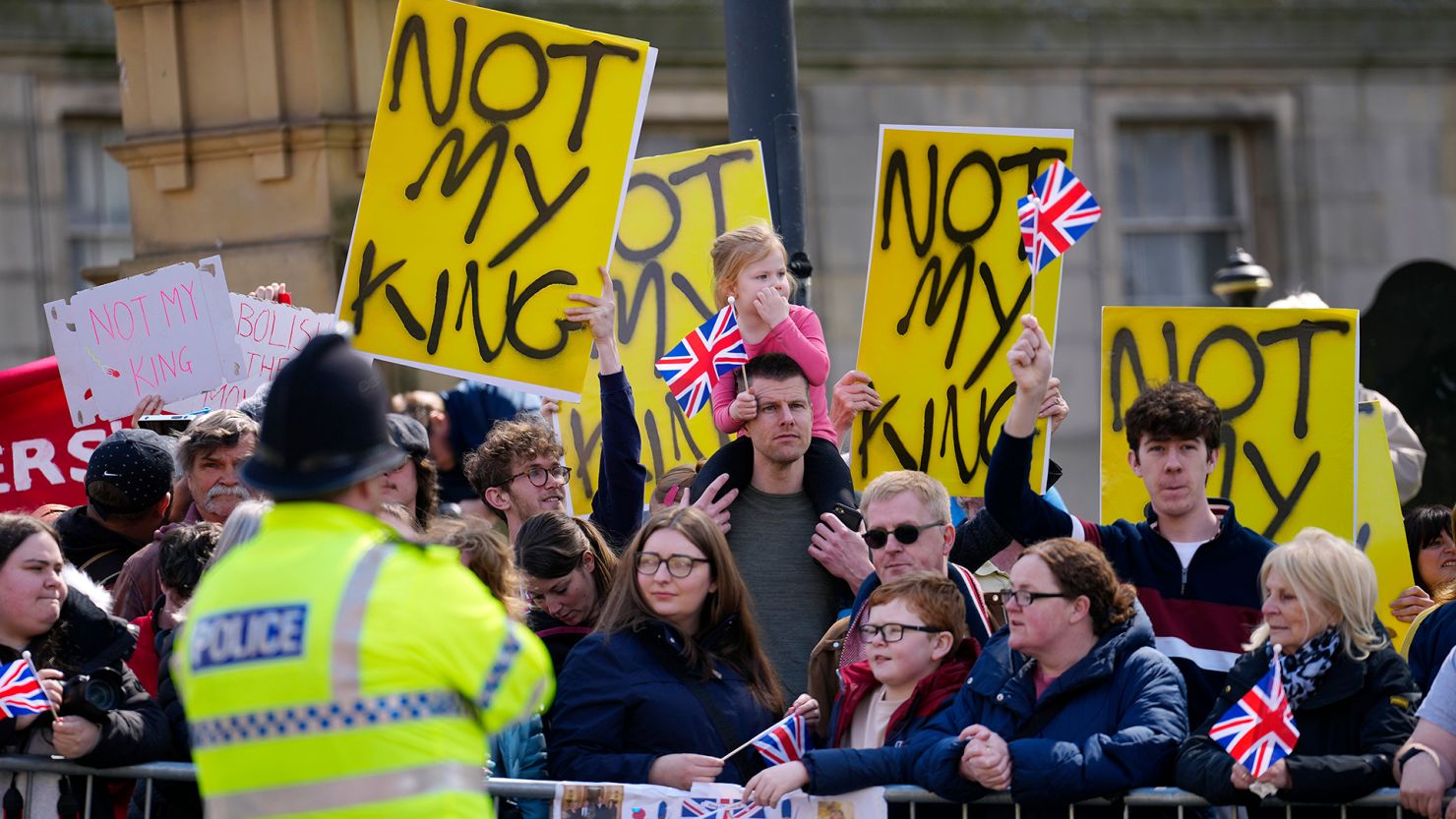
The headlines are buzzing with the "shock" news that UK protest organizers were found guilty of breaching police conditions. The mainstream media is treating this like a legal milestone. It isn't. It is a symptom of a systemic misunderstanding of how power actually operates in the streets of London.
If you think this verdict is about "law and order," you are playing the wrong game. The competitor rags are framing this as a victory for the Metropolitan Police or a blow to civil liberties. Both sides are wrong. This isn't about rights or rules. It’s about the total collapse of the "negotiated management" model of policing that has kept the UK stable for forty years.
The Myth of the Obedient Organizer
The prevailing narrative suggests that if organizers just follow the rules, the system works. This is a fairy tale. In reality, the Public Order Act 1986—and its recent, more aggressive siblings—have turned protest organizers into unpaid branch managers for the police.
When an organizer "agrees" to a route, they aren't exercising a right. They are signing a contract of liability. The moment things go sideways—and in a crowd of 300,000, things always go sideways—the police don't blame the anonymous agitator in the mask. They blame the person with the clipboard.
By finding these individuals guilty, the UK isn't "restoring order." It is ensuring that, in the future, no one will ever volunteer to lead a march again. We are moving toward a period of leaderless, chaotic, and completely unpredictable street movements. If you thought a pre-planned march through Whitehall was a headache, wait until you see what happens when there is no one for the police to call.
Why the "Breach" is a Distraction
The courts are obsessed with the minutiae of start times and finish lines. Did the march stop for ten minutes too long at a specific junction? Did the lead truck veer five meters off the prescribed path?
Focusing on these details is a tactical error.
From a security standpoint, a strictly regulated protest is a high-pressure pipe with no relief valve. When the police squeeze the boundaries, the pressure builds. I have spent years watching crowd dynamics in high-stakes environments. You cannot "order" 100,000 people to stop moving because a clock struck 4:00 PM.
The guilty verdict assumes a level of control that simply does not exist in the physical world. It treats a massive human tide like a scheduled train service. When the law demands the impossible, the law becomes a joke.
The Failure of Section 12 and 14
Under the current legal framework, the police can impose conditions if they fear "serious disruption." This is a term so broad you could drive a riot van through it.
- The Competitor View: The police are using these powers to balance the rights of protesters with the rights of commuters.
- The Reality: The police are using these powers to mask their own inability to manage large-scale urban events.
By criminalizing the failure to comply with these often arbitrary conditions, the state is admitting it has lost the ability to actually police. Instead of managing the crowd, they are litigating the paperwork.
The Hidden Cost of "Winning" in Court
The government thinks these convictions serve as a deterrent. They don't. They serve as a recruitment poster for radicalization.
When you punish the "moderates"—the people willing to sit in meetings with Chief Inspectors and plan routes—you remove the buffer between the state and the street.
Imagine a scenario where every major protest in London is organized via encrypted, decentralized nodes with no central committee. No names. No addresses. No one to serve a Section 12 notice to. That is the world these court rulings are building.
The "lazy consensus" says that stricter enforcement leads to quieter streets. Historically, the opposite is true. When you shut down the legal, predictable avenues for dissent, you don't delete the dissent. You just force it into forms that the police are fundamentally unprepared to handle.
The Logistics of Dissent vs. The Optics of Law
The UK legal system is currently prioritizing optics over logistics. It looks good on a press release to say an organizer was fined or convicted. It looks "tough on crime."
But look at the actual mechanics of the "breach." Most of these violations are technicalities. They involve the "failure to follow a direction." In any other context, we would call this a breakdown in communication. In the context of a high-voltage political protest, we call it a crime.
This creates a massive liability gap. If you are a professional organization, why would you ever risk your charitable status or your personal freedom to organize a march? You wouldn't.
The result? The exit of professional, accountable organizations from the public square. They will be replaced by fringe elements who view a criminal conviction not as a deterrent, but as a badge of honor.
Stop Asking if the Protesters Broke the Rules
The question everyone is asking is: "Did they break the police rules?"
The question you should be asking is: "Are the rules compatible with a functioning democracy?"
If the rules require an organizer to perform a feat of human herding that defies the laws of physics, the rules are flawed. If the rules turn a peaceful participant into a criminal because a crowd moved too slowly, the rules are broken.
We are witnessing the transformation of policing from "keeping the peace" to "administering the protest." The police have become event planners with handcuffs.
The Actionable Truth for the Future
If you are involved in the business of public space, whether in security, government, or activism, understand this: the era of the "civilized march" is over.
- Decentralization is inevitable. As leaders are prosecuted, movements will shed their figureheads.
- Litigation is the new front line. Every police order will be met with a counter-suit, turning the streets into a legal battlefield before a single foot hits the pavement.
- The Met’s "Success" is a Strategic Failure. Every conviction of a peaceful organizer is a nail in the coffin of police-community cooperation.
The UK is patting itself on the back for "holding organizers accountable." In reality, it is burning the only bridge it had left to the people on the street.
Don't look at the verdict. Look at the void it leaves behind. When there are no more organizers left to prosecute, who do you think the police will talk to then?
The silence will be deafening.