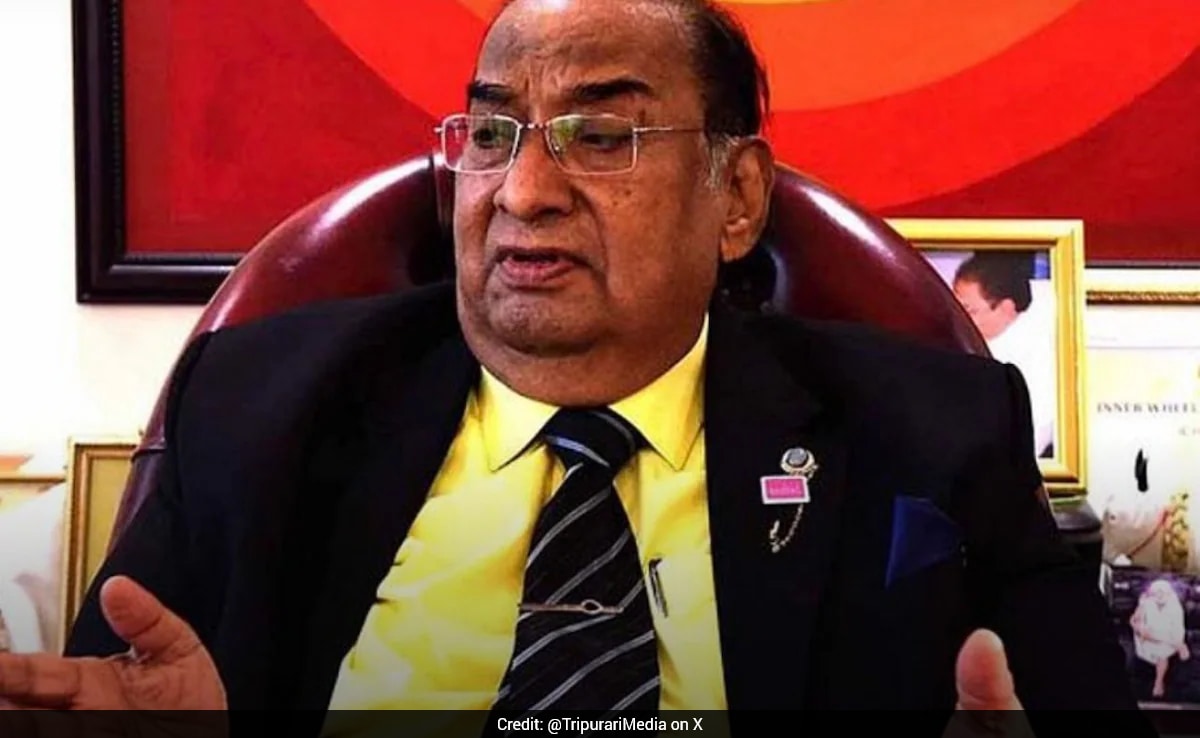
Vasu Shroff didn't just sell fabric. He sold the idea that a teenager with nothing but a ticket on a Mumbai boat could build a city from the ground up. When news broke that the "Textile King" of Dubai passed away at 85 this Sunday, April 26, 2026, it felt like more than just an obituary. It felt like the closing of a massive chapter in the history of the United Arab Emirates.
If you’re looking for the typical "rags to riches" story, you’ve seen it a thousand times. But Shroff’s life wasn’t about luck. It was about showing up in Sharjah in 1960, back when the UAE was still the Trucial States, and deciding that a single shop in Bur Dubai was enough of a foundation to change an entire region's retail DNA. He died at his home in Satwa, leaving behind a conglomerate that stretches across technology, real estate, and healthcare.
The 1960 Boat Trip That Changed Everything
Imagine being 19 years old. You’re on a boat from Mumbai, heading toward a coastline that doesn't have the Burj Khalifa or the Palm Jumeirah. In fact, it barely has paved roads. That was Vasu Shroff in 1960. He didn't have a safety net; he had an eye for textiles and a relentless drive to integrate into the local culture.
He founded Regal Traders in Bur Dubai at a time when trading was the lifeblood of the creek. Most people don't realize how small that start was. It was one shop. Just one. From those four walls, he eventually spun a web of 16 stores across five countries. He saw the potential of the Gulf decades before the rest of the world caught on. While others were waiting for the "right time" to invest, Shroff was already building the infrastructure of the Indian diaspora’s business presence.
More Than Just Fabric and Threads
I've seen plenty of wealthy people build towers, but few build community foundations the way Shroff did. He wasn't just obsessed with the bottom line. His legacy is etched into the very stones of the Hindu Temple in Jebel Ali. As a trustee, he was a massive force in making that dream a reality, bridging the gap between the local Emirati leadership and the millions of Indians who call the UAE home.
It’s easy to talk about "philanthropy" in a press release. It's another thing to be the guy funding schools like The Indian High School in Dubai or supporting the India Club for over half a century. He was among the first Indian businessmen to receive the 10-year Golden Visa back in 2019. That wasn't just a residency permit; it was a nod from the UAE government that he was part of the country's actual soul.
The Regal Group Evolution
Under the leadership of his son, Raju Shroff, the company hasn't stayed stuck in the 60s. That’s a mistake many family businesses make—they get nostalgic and stop innovating. The Regal Group moved into:
- Regal Tech: Specializing in satellite and security systems long before tech was a buzzword in the region.
- Real Estate: Think of projects like the Vivanta by Taj-branded residential tower.
- Regal Stitch: Taking the textile business into bespoke tailoring to keep up with modern luxury demands.
They didn't just survive the transition to the digital age; they leaned into it. By the time 2025 rolled around, they were already pushing into B2B hospitality and ready-to-wear lines. Shroff’s original vision was the "North Star" for all these diversifications. He proved that if your core values are solid, you can sell anything from silk to software.
Lessons from the King for Today’s Founders
Honestly, if you're trying to start a business in 2026, you should be studying Shroff, not just some tech bro's Twitter thread. He survived the 2008 crash, the pandemic, and every regional shift in between. How?
- Hyper-local focus: He didn't treat Dubai like a temporary stop. He treated it like home before the skyscrapers existed.
- Reputation is the only currency: Talk to anyone in the Satwa or Bur Dubai business circles. They won't talk about his bank account; they’ll talk about his humility and his "word."
- Diversify or die: He knew textiles wouldn't be the only thing the UAE needed. He branched out when he was ahead, not when he was desperate.
His cremation is set for Monday, April 27, 2026, at the New Sonapur cemetery. But the shops in Bur Dubai? They’ll keep running. The temple in Jebel Ali? It’ll keep standing.
If you want to honor a legacy like his, stop waiting for the perfect market conditions. Start with whatever "fabric" you have in your hands right now. Build something that outlasts you. That's what the King of Textiles did, and that's why his name will be mentioned in Dubai’s boardrooms for another sixty years.
If you’re an entrepreneur in the GCC, your next move is simple. Look at your business. Are you building a quick flip, or are you building a "Regal" legacy? Focus on the latter.