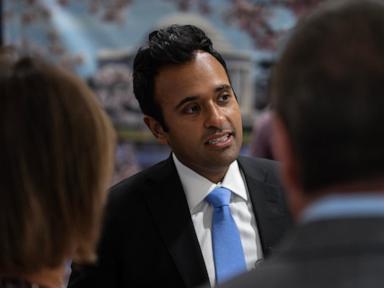
Vivek Ramaswamy is done playing the underdog. After a presidential run that functioned more as a national branding exercise than a quest for delegates, the biotech entrepreneur is pivoting toward the 2026 Ohio gubernatorial race with a massive war chest and a strategy that ignores traditional party gatekeepers. He isn't just running for office; he is attempting to buy a political ecosystem. By treating a state primary as a formality and focusing his resources on a general election infrastructure two years early, Ramaswamy is betting that personal wealth and media saturation can overwhelm the localized grip of the Ohio GOP establishment.
The move marks a departure from how statewide campaigns usually function in the Midwest. Traditionally, a candidate spends years shaking hands in all 88 counties, securing endorsements from local sheriffs, and slowly building a base within the party hierarchy. Ramaswamy is skipping those steps. He is treating the Ohio governorship as a corporate acquisition.
The Economics of a Hostile Takeover
Politics in Ohio is expensive, but the scale of what Ramaswamy is preparing is unprecedented for a non-incumbent. His strategy relies on "permanent campaigning." Most candidates wait until the year of the election to dump millions into television and digital ads. Ramaswamy is starting now. He is funding a shadow operation of data analysts and field organizers that will remain active throughout 2024 and 2025, essentially outlasting any competitor who relies on traditional fundraising cycles.
This isn't just about ego. It’s about the shift in how political power is consolidated. In the past, the "Ohio Machine" decided who got the nomination. Today, the machine is broken. Social media and direct-to-consumer political messaging have allowed wealthy outsiders to bypass the smoke-filled rooms. Ramaswamy knows that if he can maintain a 24-hour news cycle presence, he doesn't need the permission of a county chairman in Lima or Mansfield.
The math of his "expensive fall campaign" isn't just about buying airtime. It’s about staff retention. By hiring the best political operatives in the state and paying them a premium to work exclusively for him for the next 24 months, he is effectively starving his potential primary rivals of talent. It is a classic move from the private equity playbook: corner the market on essential resources before the competition even realizes the auction has started.
The Ohio Identity Crisis
Ohio is no longer the bellwether it once was. The state has shifted from a purple battleground to a reliable shade of red, but that transition has created a vacuum of leadership. The current Republican establishment is fractured between the old-school pragmatists and the new-wave populists.
Ramaswamy is positioning himself as the bridge, though he leans heavily into the latter. His challenge is proving that a multi-millionaire from the suburbs of Cincinnati can speak to the concerns of the Mahoning Valley. To do this, his campaign is shifting focus from national "anti-woke" rhetoric to granular state issues like energy independence and the decline of manufacturing in the Rust Belt.
However, money cannot solve every problem. Ohio voters have a long memory and a deep-seated suspicion of "carpetbaggers" or anyone they perceive as using the state as a stepping stone. The biggest risk Ramaswamy faces isn't a lack of funds, but the perception that he is overqualified and under-interested in the day-to-day drudgery of state government. Fixing potholes and managing a state budget lacks the glamour of the debate stage in Milwaukee.
Bypassing the Primary Gatekeepers
The Ohio Republican primary is usually a brutal, low-turnout affair where the most energized activists hold the power. Normally, this would favor a local firebrand. Ramaswamy’s strategy is to make the primary irrelevant by behaving as the de facto nominee.
By targeting his spending toward the general election audience this early, he is attempting to create an air of inevitability. He wants to make it so expensive and so difficult for anyone else to get oxygen that potential challengers like Lieutenant Governor Jon Husted or Attorney General Dave Yost decide the cost of entry is too high.
This is a high-risk gamble. If a grassroots candidate captures the imagination of the base, no amount of digital spending can easily snuff that out. We have seen this before in other states where wealthy self-funders lost to "true believers" who had spent decades in the trenches. Ramaswamy is betting that the trenches have moved to the digital screen.
The Infrastructure Gap
Running a state requires more than a communications team. It requires a deep understanding of the bureaucracy. Ramaswamy’s critics point out that while he is excellent at diagnosing national cultural shifts, he has yet to prove he understands the complexities of Ohio’s tax code or its Medicaid expansion challenges.
His "fall campaign" isn't just for voters; it is for donors and influencers. He is trying to show that he can build a professional, disciplined organization that can win in November 2026. This means his early spending is going toward:
- Proprietary Voter Data: Moving away from shared party lists to build a private database of supporters.
- Localized Content Hubs: Creating "news" outlets and social media channels that focus specifically on Ohio-centric narratives.
- Ground Game Mechanics: Establishing physical offices in swing counties long before the election cycle officially begins.
The Shadow of the National Stage
One cannot discuss Ramaswamy’s Ohio ambitions without acknowledging his national profile. Every dollar he spends in Ohio is also an investment in his 2028 or 2032 prospects. If he wins the governorship of a major state, he transforms from an "idea guy" into an executive with a track record.
This creates a tension in his messaging. To win Ohio, he must be "Ohio First." To maintain his national momentum, he must remain a fixture on cable news discussing global affairs. Balancing these two personas will be the defining struggle of his next two years. If he spends too much time in DC or New York, he loses the "local boy" appeal. If he disappears into the weeds of Columbus policy, he loses the national celebrity that fuels his fundraising and name recognition.
The Cost of Inevitability
The price tag for this level of dominance is staggering. Sources close to the strategy suggest the budget for this multi-year effort could dwarf anything seen in previous Ohio gubernatorial cycles. But wealth in politics is often a double-edged sword. It allows for independence, but it also creates a target.
His opponents will undoubtedly frame him as a man trying to buy a seat of power because he couldn't win the one he actually wanted. They will point to his biotech background and his rapid rise as evidence of a "disruptor" who doesn't respect the traditions of the state. Ramaswamy’s response has been to lean into that disruption. He isn't claiming to be a traditional politician; he is claiming to be the upgrade.
The success of this expensive pivot depends on one thing: whether the Ohio electorate is as tired of the old guard as Ramaswamy thinks they are. If he is right, he will have built a new blueprint for how to seize power in the modern era. If he is wrong, he will have spent a fortune to prove that some things in the Heartland still aren't for sale.
The machinery of this campaign is already in motion, grinding away in office parks and digital ad auctions across the state. The true test isn't the polling data of today, but the endurance of a candidate who has decided that the only way to win is to never stop spending.