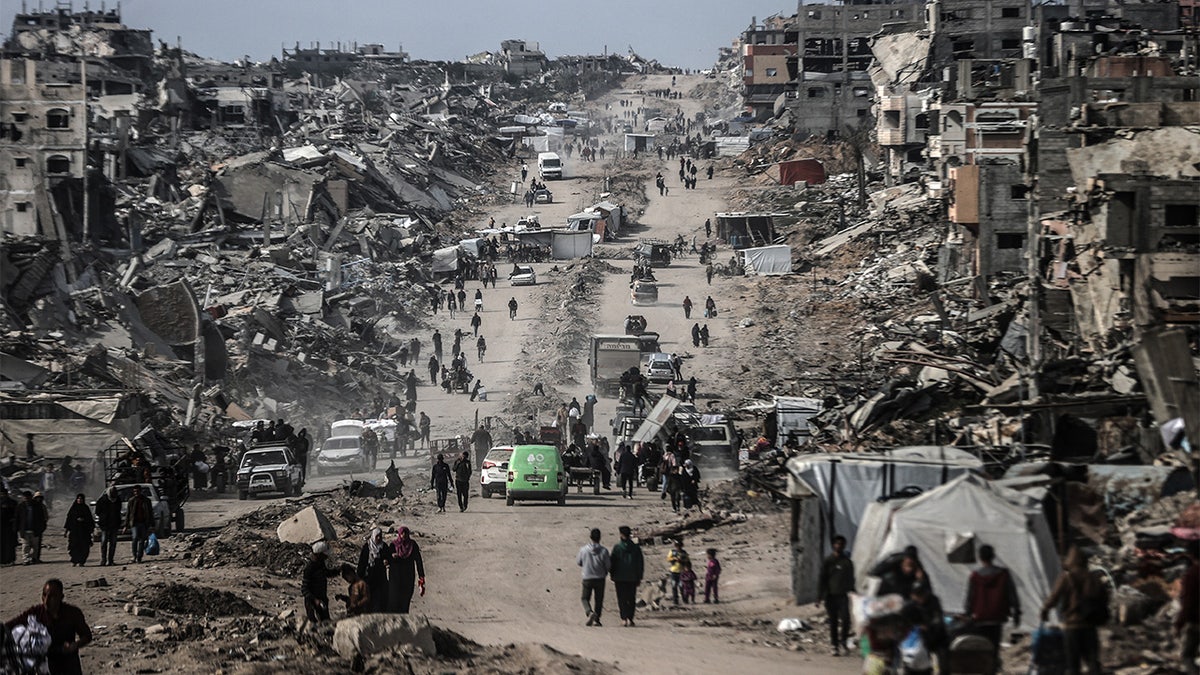
Keir Starmer didn't sugarcoat it during his Downing Street briefing on Wednesday. The war in Iran isn't just a distant conflict on the nightly news; it's a "fierce storm" that's already hitting the UK economy where it hurts. While the Prime Minister was firm that "this is not our war," he admitted the fallout will shape Britain's future in ways we can't ignore.
The reality is that when the Strait of Hormuz closes, your local petrol station feels the heat within days. Starmer is trying to walk a tightrope—keeping British troops out of the fight while trying to stop the economic bleeding at home. It’s a gamble that depends on a 35-nation coalition and a sudden, desperate pivot back toward the European Union.
The price of staying out of the fight
Starmer has been catching a lot of flak from across the Atlantic. Donald Trump called him a "loser" for refusing to let US forces use British bases for strikes against Tehran. But the PM is sticking to his guns. He's betting that the British public has zero appetite for another Middle Eastern entanglement after the lessons of Iraq.
"Taking your country to war is the single most important decision a prime minister can ever take," Starmer said, taking a swipe at rivals like Kemi Badenoch and Nigel Farage. He thinks they'd have jumped in "with both feet" without a plan. By staying out, he's trying to protect the UK from the direct military cost, but the indirect economic cost is already here.
Energy bills and the Hormuz bottleneck
The biggest headache for the government is the Strait of Hormuz. It's a tiny strip of water, but about a fifth of the world’s oil passes through it. With Iran blocking the route, global supplies have tanked.
Even though Ofgem’s price cap recently saw bills drop by roughly 7%, experts are already sounding the alarm. Predictions suggest bills could spike by £300 in just three months as the war’s impact finally filters through the system. Starmer's response? He’s pushing for a 35-nation working group to reopen the waterway through "diplomatic and political measures." It sounds good on paper, but if Iran doesn't budge, those measures might look pretty thin.
To take the edge off, the government is rolling out some immediate fixes:
- Extending the fuel duty cut until September.
- A £53 million support package for people using heating oil.
- Cutting energy bills by about £100 per household.
- Investing more in "homegrown" renewable energy to stop being held hostage by "tyrants and Ayatollahs."
The quiet return to Europe
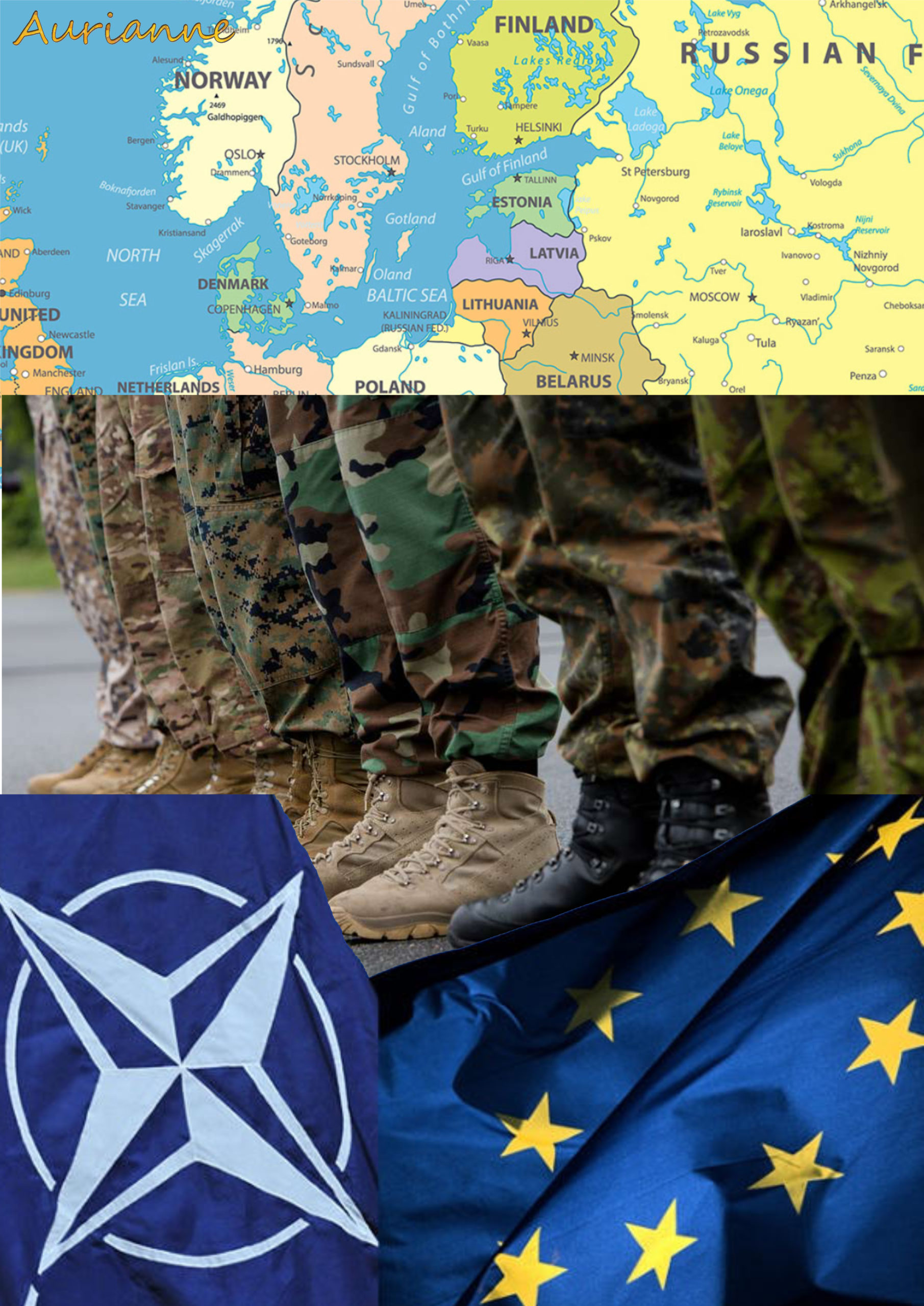
The most surprising part of Starmer’s strategy is how he's using this crisis to fix the "deep damage" of Brexit. He’s calling for a new summit with EU partners to talk about economic and security cooperation. Basically, the war in Iran has made the government realize they can't go it alone.
Starmer thinks a stronger relationship with Europe will actually help the UK's standing with the US. His logic is that American presidents have always wanted Europe to handle more of its own security. By aligning closer with the EU on energy and defense, Britain might find a way to weather the Iran crisis without being totally dependent on Washington's whims.
What this means for your wallet
If you're worried about the cost of living, you're right to be. Beyond energy, the closure of the Strait of Hormuz is hitting fertilizer supplies, which means food prices are likely to climb again. Starmer is trying to reassure people—telling drivers there's "no need to do anything other than what is normal" and asking them not to hoard fuel.
But the Conservative opposition isn't buying it. Kemi Badenoch argues that Labour is "hammering families" with new taxes and regulations while the war makes everything more expensive. It's a messy political fight that’s only going to get louder as the May local elections get closer.
For now, the government's plan is to push for de-escalation while trying to keep the lights on at home. It’s a reactive strategy, but in a world this volatile, maybe that’s the only option.
Keep an eye on these immediate shifts:
- Check your energy tariff: If you're on a variable rate, that £300 predicted hike is coming for you by mid-summer.
- Watch the fuel duty: The current cut lasts until September, but don't expect it to stay low forever if the Gulf stays blocked.
- Register your travel: If you have family or business in the Middle East, get them on the Foreign Office registry immediately. There are 200,000 Brits in the region, and the situation is "reckless."
Don't wait for the next price hike to look at your household budget. The PM essentially just warned you that the "fierce storm" is only starting.