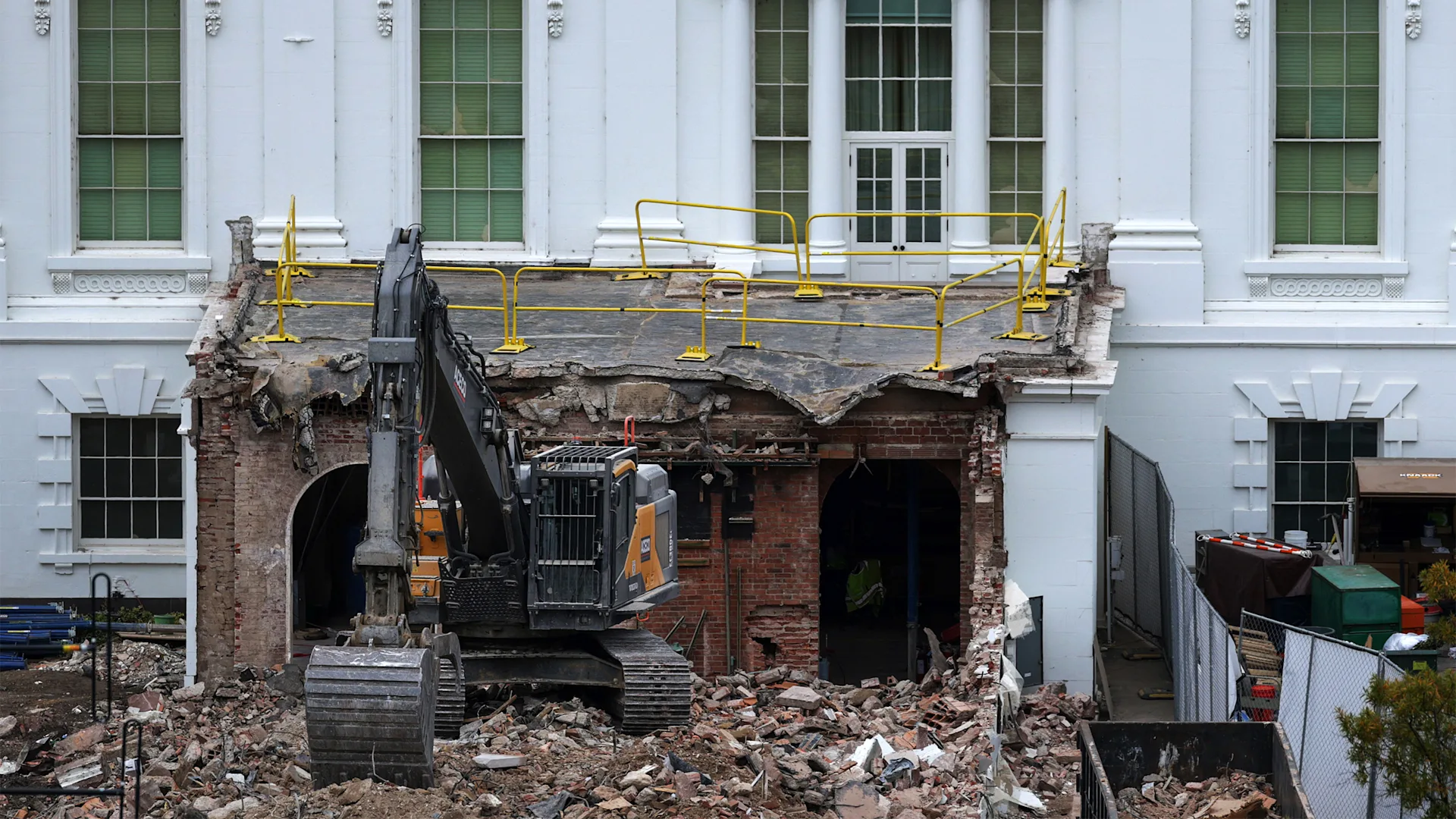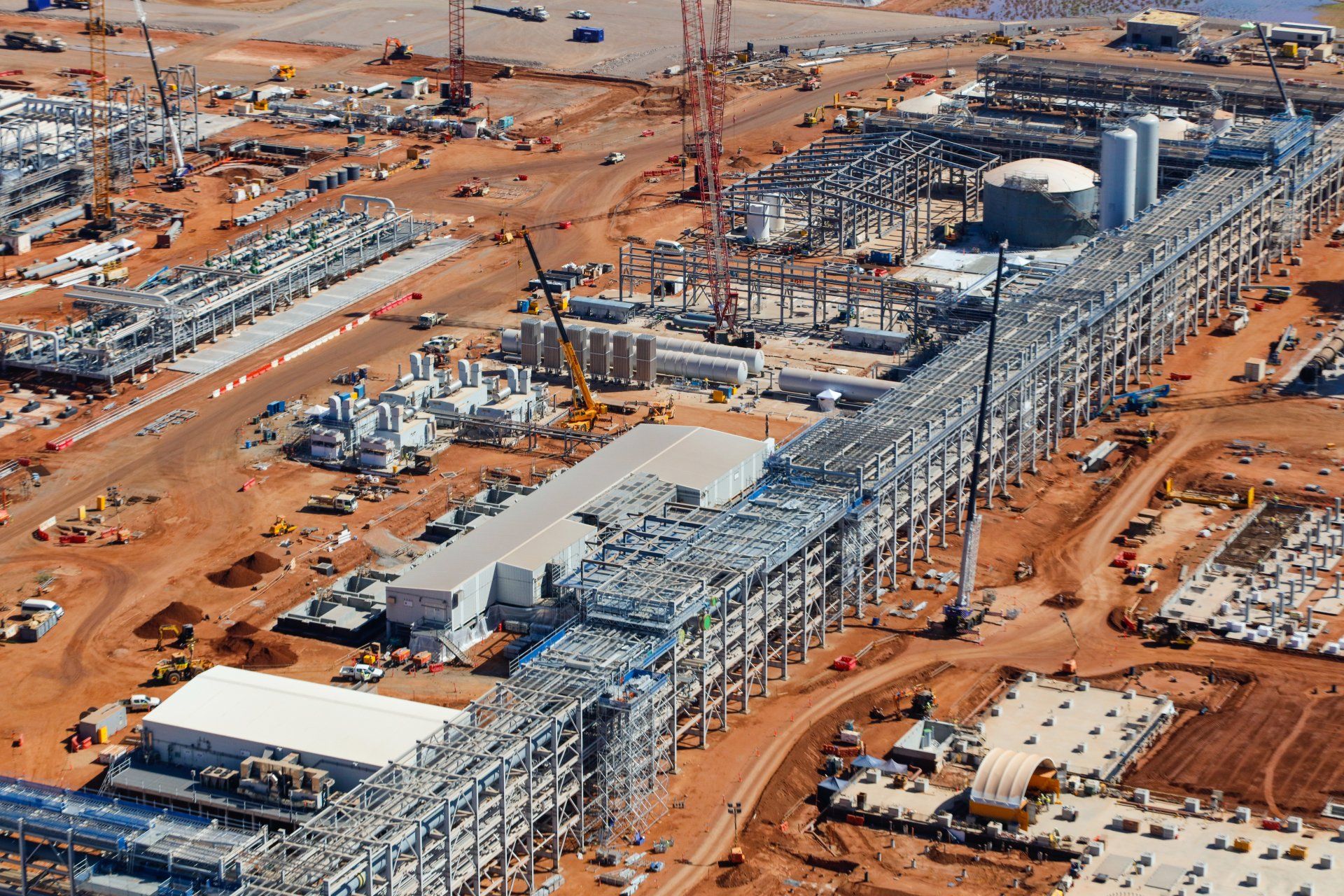
Chevron just confirmed that its Wheatstone LNG facility in Western Australia isn't coming back online anytime soon. Tropical Cyclone Narelle didn't just pass through; it tore into the infrastructure, leaving what the company calls "extensive damage" in its wake. If you're wondering why your energy bill or the local gas price looks a bit shaky today, this is a massive piece of the puzzle. We're looking at a multi-week outage for a plant that handles over 2% of the entire world's LNG trade.
In a world already panicked by Middle East supply shocks and the temporary loss of Qatari production, losing Wheatstone is like losing a structural beam in a house that’s already leaning. It’s not just a Chevron problem; it’s a global inventory problem.
The Reality of the Damage at Wheatstone
When a Category 3 cyclone hits the Pilbara coast, things break. But this time, it’s worse than the usual seasonal scuff-up. Danny Woodall, Chevron Australia’s director of operations, basically laid it out at a conference in Sydney: the "fin fans"—those massive air-cooled heat exchangers—took a beating.
Think of these as the radiator in your car, but for a facility that freezes natural gas to -162°C. If they don't work, the whole "Train" (the liquefaction unit) stays dead. Right now, both of Wheatstone’s processing trains are dark.
- Location: Near Onslow, Western Australia.
- Capacity: 8.9 million metric tons per year.
- The Damage: Significant equipment failure on the onshore plant and offshore platform.
- The Timeline: "Several weeks" for repairs. That’s corporate-speak for "we hope it’s a month, but don't hold your breath."
It’s easy to look at one plant and think it doesn't matter much. But Wheatstone is a monster. In February alone, it shipped 11 massive cargoes—mostly to Japan. When those ships don't show up, Japan has to go shopping elsewhere, usually in the spot market, which drives prices up for everyone else, including you.
Why This Outage is Different
Usually, when one plant goes down, another picks up the slack. Not this time. The timing of Cyclone Narelle couldn't have been more calculated to cause maximum pain.
First, look at Gorgon. That’s Chevron’s other Australian giant. It also took a hit during the storm. While Chevron managed to get all three Gorgon trains back up and running by March 29, the brief outage there already drained the buffer. Then you have Woodside Energy’s North West Shelf project, which is also struggling to get back to full speed after the same storm.
But the real kicker is the geopolitical backdrop. We’re currently dealing with the fallout of Iranian strikes that crippled Qatari facilities—the world's largest LNG hub. Analysts at MST Marquee estimate that between the cyclone in Australia and the chaos in the Middle East, over 25% of the world's LNG supply is currently offline or disrupted.
That isn't just a "hiccup." That’s a quarter of the global market gone in a week.
The Economic Ripple Effect
Chevron is currently fighting a two-front war. On one side, they’re scrambling to get the fin fans spinning again at Wheatstone. On the other, they’re fighting the Australian government over a proposed windfall tax.
Canberra is looking at the soaring prices caused by these shortages and thinking about taking a bigger cut. Chevron, predictably, is calling it a "sugar hit" policy that will kill future investment. It’s a classic energy sector standoff, but it adds a layer of risk for investors. If it’s harder to make a profit in Australia because of taxes, and harder to keep the plants running because of increasingly violent cyclones, where does the gas come from?
For the average person, this translates to volatility. Crude oil prices often shadow these natural gas disruptions because when gas gets too expensive or scarce, power plants switch back to oil. It’s all connected.
What You Should Watch Next
If you're tracking this for your portfolio or just trying to understand the market, stop looking at the weather and start looking at the repair crews. The "weeks" timeline is the most critical variable right now.
- Cargo Diversions: Watch for news of Japan or South Korea buying US-sourced LNG to replace the missing Australian loads. This will tighten the Atlantic market.
- Maintenance Overlaps: Woodside has a scheduled outage at Pluto LNG coming up in May. If Wheatstone isn't 100% by then, we’re heading into a massive supply hole.
- Port Logistics: The Port of Dampier has reopened, which is good, but the backlog of ships waiting for Wheatstone and North West Shelf cargoes will take weeks to clear once production actually restarts.
Honestly, the energy industry likes to talk about "resilience" and "redundancy," but this week proves how thin the ice really is. You've got a single storm in a remote corner of Australia effectively dictating the energy security of major Asian economies.
Don't expect prices to settle until Chevron provides a hard date for the Wheatstone restart. Until then, the market is going to stay jumpy. Keep an eye on the official Chevron Australia updates—they’re usually the first to signal if those "weeks" are turning into "months." If the damage to those heat exchangers is structural rather than just cosmetic, we’re in for a very expensive season.