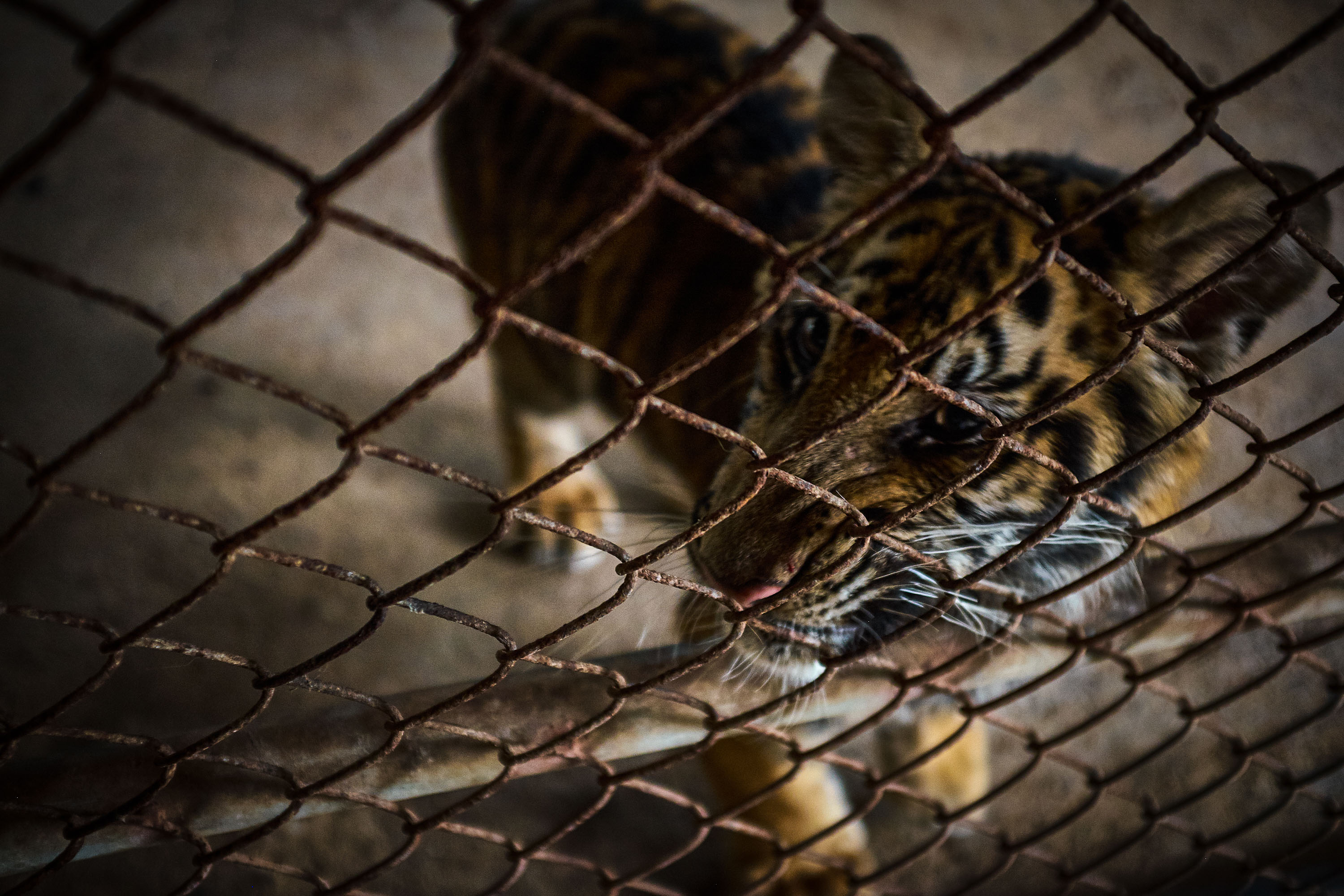
The global wildlife trade isn't just a conservation nightmare. It’s a ticking biological clock. Most people think the danger starts and ends with the act of poaching. They're wrong. Recent research from the University of Sheffield and the University of Florida shows that the risk of a species becoming "invasive" or carrying lethal pathogens increases exponentially based on how long it circulates in the commercial trade loop. It’s a simple, terrifying math. The more time an animal spends in transit, warehouses, or local markets, the more chances it has to adapt to human environments or pick up something nasty.
You've probably heard the term "zoonotic spillover." It’s a fancy way of saying a virus jumped from an animal to you. But we need to stop looking at this as a freak accident. It’s an industry byproduct. When we pull animals out of their natural habitats and shove them into cages near other species they’d never meet in the wild, we’re running a massive, uncontrolled experiment in evolutionary biology.
The Time Factor in Wildlife Trade Risks
Time is the variable we’ve been ignoring. For years, policy focused on the volume of trade. How many parrots? How many pangolins? While volume matters, the duration of residency in the trade network is a massive predictor of risk. The study, published in Current Biology, makes it clear. Species that stick around in the trade for years or decades undergo a sort of "unnatural selection."
Animals that survive the initial stress of capture and the filthy conditions of transport are the "tough" ones. They are the survivors. By the time these animals reach a final consumer—whether as a pet, food, or "medicine"—they’ve been filtered. You’re left with individuals that are uniquely suited to survive in human-dominated landscapes. If they escape or are released, they don't just die off. They thrive. They become invasive. They wreck local ecosystems because we’ve accidentally bred them to be resilient.
Think about the Burmese python in the Florida Everglades. That didn't happen overnight. It was the result of a long-standing trade pipeline that selected for large, hardy snakes that could handle the stress of being moved across the globe. We aren't just moving animals. We're training them to colonize.
Why Domestic Markets are Breeding Grounds for the Next Pandemic
We focus a lot on international borders. We think customs agents are the front line. Honestly, the real danger is often in the domestic holding facilities and the "wet markets" that stay open for business year-round. These locations act as melting pots.
When an animal stays in a market for weeks, it isn't just sitting there. It’s breathing the same air as dozens of other species. It’s sitting in waste. Viruses don't care about species boundaries when the biological load is high enough. This is where "viral shuffling" happens. A virus from a bird meets a virus from a mammal. They swap genetic material. Suddenly, you have a strain that's optimized for human infection.
The Sheffield study points out that the "establishment" of a species—meaning its ability to survive in a new area—is much higher for those that have been in the trade for a long time. They’ve had time to habituate to human food, human noise, and human pathogens. We’re essentially domesticating the most dangerous aspects of nature and then wondering why things go sideways.
The Economic Incentive to Keep the Clock Ticking
Greed keeps the animals in the system. If a dealer can't sell a rare bird today, they don't release it. They keep it in a basement. They wait for the price to go up. They wait for a specific buyer. Every day that bird stays in that cage, the risk profile changes.
I’ve seen how these supply chains work. They are messy. They are often unregulated or poorly enforced. A shipment of lizards might sit in a shipping container in a hot port for days. The ones that don't die are the ones with the strongest immune systems—or the ones carrying the most persistent parasites.
- Selection Pressure: The trade kills the weak, leaving only the most adaptable (and potentially invasive) individuals.
- Pathogen Accumulation: Longer stays mean more exposure to different viruses from "source" animals and "sink" markets.
- Human Habituation: Animals lose their fear of humans, making them more likely to interact with people if they escape.
We’re not just talking about rare tropical birds. This applies to everything from frogs used in the pet trade to small mammals traded for fur. The longer they are part of the "system," the more they "learn" how to exist around us. It’s a dark mirror of domestication.
Beyond the Simple Ban
Banning everything sounds great on a protest sign. In reality, it often just pushes the trade further underground. When the trade goes underground, the "time in system" increases even more. Smugglers have to take longer, more circuitous routes to avoid detection. They hide animals in secret compartments where ventilation is non-existent.
This actually increases the risk. If a legal shipment takes three days, an illegal one might take three weeks. That’s three weeks of stress, illness, and mutation. If we want to actually lower the risk of the next global health crisis, we have to look at the "velocity" of the trade.
Slowing things down is usually a good thing in life. Not here. In the wildlife trade, speed is safety. If an animal is going to be traded, it needs to move from point A to point B instantly, under strict quarantine, or not move at all. The "limbo" state is where the danger lives.
What Needs to Change Right Now
We can't keep pretending that a species' risk is static. A lizard caught yesterday is not the same biological threat as a lizard that’s been in a warehouse for six months.
- Mandatory Residency Tracking: We need data on how long animals have been in the supply chain. If a wholesaler has had a stock of turtles for a year, those turtles should be flagged as high-risk for both invasive potential and zoonotic disease.
- Quarantine Overhaul: Current quarantine periods are often too short to catch mutating viruses or are simply ignored in the domestic trade. We need specialized facilities that focus on the "time-in-trade" metric.
- Targeted Enforcement: Instead of just looking for "illegal" species, inspectors need to look for signs of long-term captivity in wild-caught individuals. Signs of habituation or chronic stress are red flags for biological risk.
- Consumer Education: If you're buying an exotic pet, you need to know its history. Where was it held? For how long? If the seller can't tell you, don't buy it. You might be bringing an invasive species or a new virus into your home.
Stop thinking about wildlife trade as a "nature" issue. It’s a biosecurity issue. Every day an animal sits in a cage in a market, the world gets a little bit more dangerous. We need to close the window of opportunity for these pathogens and invasive traits to take hold. If we don't shorten the time these species spend in our systems, the next spillover won't be a surprise—it'll be an inevitability.
Demand transparency from retailers and support legislation that treats wildlife transit time as a public health priority. The clock is already running.