The standard geopolitical narrative is lazy. It paints a picture of a grand chess master in Beijing, coolly assembling a "Yuan Pipeline" to bypass the US Dollar and save the pariah states of Iran, Venezuela, and Cuba. The pundits see three deals and scream "containment" or "de-dollarization." They see a lifeline.
I see a debt trap masquerading as a rescue mission.
Western analysts are obsessed with the idea that China is building a parallel financial universe. They assume that because these four nations share a common enemy—Washington—they must share a common interest. That is a fundamental misunderstanding of how capital actually moves. China isn’t building an alliance; it’s running a distressed asset liquidation.
The Barter Economy Fallacy
The "Yuan Pipeline" sounds sophisticated. It implies a high-speed, digital flow of liquid capital. The reality is much grittier and far less efficient. It’s a glorified barter system.
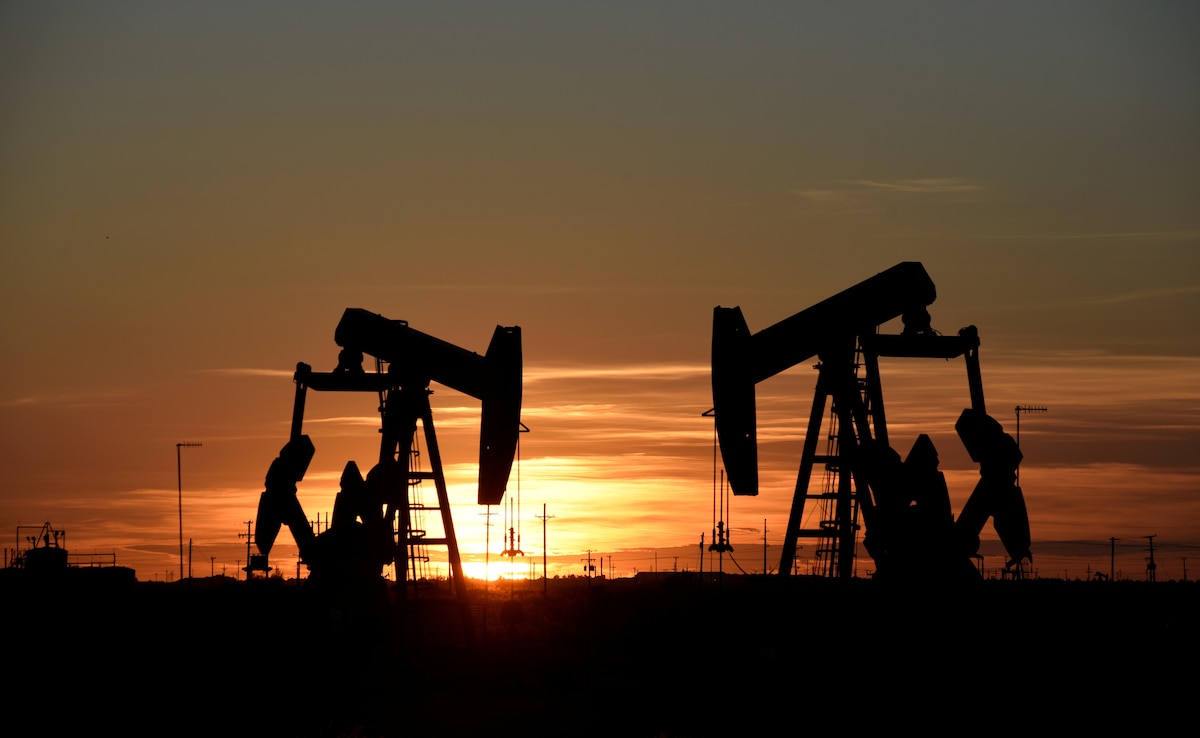
When China buys Iranian oil or Venezuelan crude, it isn't sending stacks of usable currency back to Tehran or Caracas. It’s issuing credit that can only be spent at the "Company Store"—otherwise known as Chinese state-owned enterprises.
- The Trap: Iran sells oil at a massive discount (often 20-30% below Brent) because they have no other buyers.
- The Payment: They receive Yuan that can only buy Chinese infrastructure, Chinese telecommunications, or Chinese military hardware.
- The Result: China gets cheap energy; the "outcast" nation gets a dependency loop.
This isn't a strategy for global dominance. It’s a strategy for risk mitigation. Beijing knows these regimes are unstable. They aren't betting on the longevity of the Maduro government; they are extracting as much physical resource as possible before the next inevitable crisis.
Why the Yuan Can’t Replace the Dollar (Yet)
The biggest misconception in the competitor’s piece is the idea that the Yuan is a viable alternative for global trade. To be a global reserve currency, you need three things: transparency, liquidity, and a willingness to run a massive trade deficit.
China has none of these.
- Capital Controls: You can’t have a global currency that people aren't allowed to take out of the country. The Chinese Communist Party (CCP) is terrified of capital flight. If they opened the floodgates to make the Yuan truly "global," the Chinese middle class would move their money into Vancouver real estate and US Treasuries so fast it would collapse the domestic banking system.
- The Rule of Law: In the Dollar system, if you have a dispute, you go to a predictable court. In the Yuan system, if you have a dispute, you hope you haven't offended a provincial party boss.
- The Deficit Paradox: To provide the world with enough currency to trade, the issuer must buy more than it sells. China’s entire economic model is built on being the world’s factory, not its biggest customer. They want to export goods, not currency.
The "deals" with Cuba and Venezuela aren't proof of the Yuan's strength; they are proof of its desperation. They are transactions between a predator and a victim.
The Venezuelan Lesson: A Sovereign Wealth Black Hole
I've watched countries flush billions down the drain on the promise of "strategic alignment." Venezuela is the ultimate cautionary tale.
China has poured more than $60 billion into Venezuela since 2007. The return on investment? A humanitarian catastrophe and a pile of defaulted debt. The "Yuan Pipeline" didn't save Caracas. It shackled it.
The competitor’s article misses the most important part of the deal: Debt Service. Venezuela is still pumping oil to China, not to get Yuan, but to pay for interest on loans that were squandered years ago. If you want a preview of what's coming for Iran or Cuba, look at the ghost towns in the Orinoco Belt.
The Logic of Debt: China is the world's largest creditor, but it's also the most impatient. Unlike the IMF or World Bank, Beijing doesn't ask for "structural reforms." It asks for collateral.
The Collateral Trap: When you default on a Chinese loan, they don't just write it off. They take the port. They take the mine. They take the utility grid.
The Cuba Conundrum
The "Yuan Pipeline" into Cuba is even more laughable. Cuba has nothing China wants. No oil, no minerals, no massive consumer market.
So why the deal?
It's purely symbolic. It’s a "poke in the eye" to the US at a bargain-basement price. China gets to park a few intelligence assets 90 miles from Florida, and Cuba gets just enough Yuan to keep the lights on for another month.
Calling this a "strategic partnership" is like calling a homeless shelter a "real estate conglomerate." Cuba is a burden on the Chinese ledger, not an asset.
The Brutal Reality of the 'Yuan Pipeline'
If the Yuan Pipeline were truly a threat to the Dollar, we would see its share of global reserves climbing. Instead, it’s stuck around 2-3%.
The Dollar is still the currency of choice for 80% of global trade and 60% of foreign reserves. Even the BRICS nations (Brazil, Russia, India, China, South Africa) can't agree on a common currency because none of them trust each other as much as they trust the stability of the US Treasury market.
The competitor's article wants you to be scared of a "New World Order." But you can't build a new order on the foundations of bankruptcy.
Why the 'Axis' is Actually a Fragile Circle
The real problem with the China-Iran-Venezuela-Cuba axis isn't that they are coming together. It's that they have nowhere else to go.
It’s not a choice. It’s a last resort.
- Iran: Needs to sell oil to fund its regional proxies. China is the only one with the infrastructure to bypass US sanctions.
- Venezuela: Needs a lender who doesn't care about human rights.
- Cuba: Needs a sugar daddy after the Soviet Union and Venezuela both failed them.
These are not the building blocks of a superpower. They are the remnants of failed states seeking a patron.
China is playing the long game, but the long game has a high maintenance cost. Every billion they "invest" in these regimes is a billion they can't spend fixing their own demographic crisis, their imploding property market, or their aging population.
The Actionable Takeaway for Investors and Analysts
Stop looking for the "New Cold War" in the headlines. Look at the balance sheets.
If you're an investor, don't bet on the Yuan’s rise because of these deals. Bet on the Yuan's continued stagnation until China allows for a free float and independent courts.
If you're a policy analyst, stop treating the "Axis of Outcasts" as a monolithic threat. It's a collection of desperate regimes trying to survive another fiscal quarter.
The "Yuan Pipeline" isn't a weapon. It's a leash.
And at the end of every leash is a master who eventually has to pay for the dog’s food. Beijing is about to find out just how expensive their new pets really are.
Stop waiting for the Dollar to die. It's the only liquid currency that isn't tied to a totalitarian regime's survival instinct. The Yuan Pipeline isn't a bridge to the future; it's a funnel into a void.
The next time you see a headline about a "massive new deal" between Beijing and a sanctioned regime, ask one question: Who gets the oil, and who gets the debt? The answer is always the same.
China gets the resources. The outcasts get the bill.
And the Dollar? It just keeps on trading.