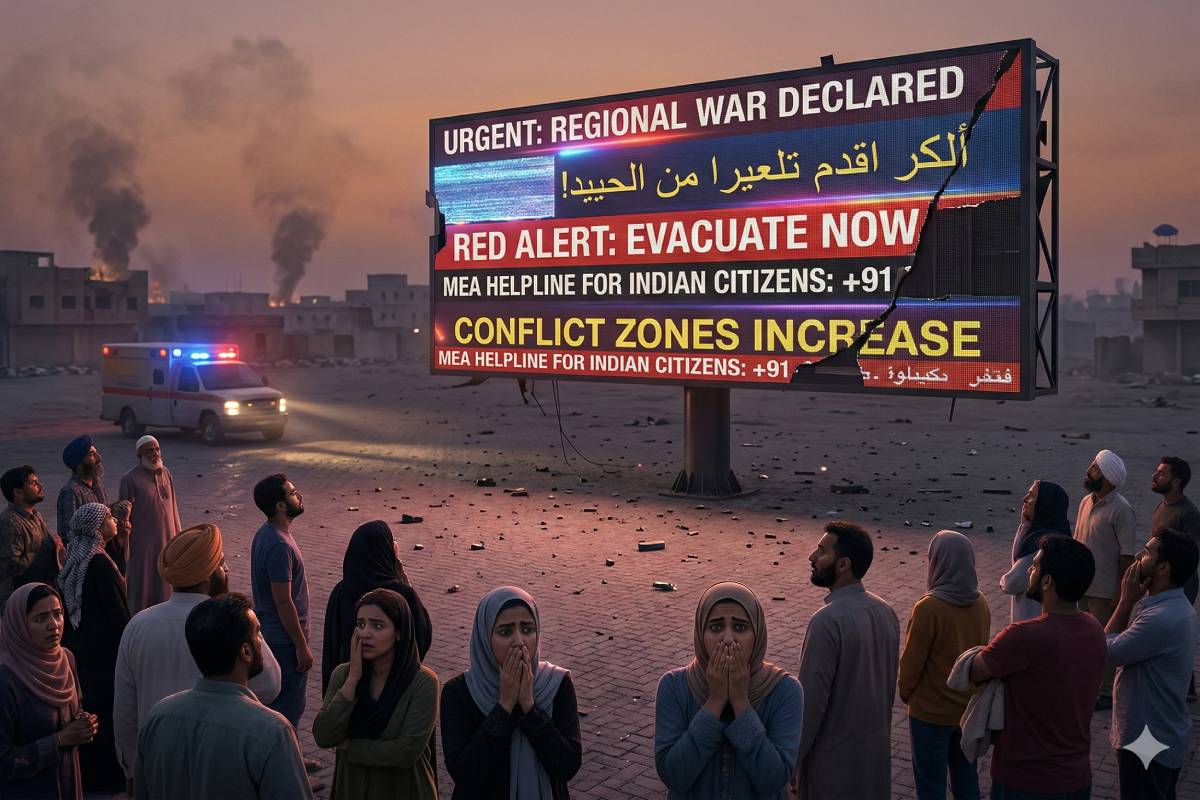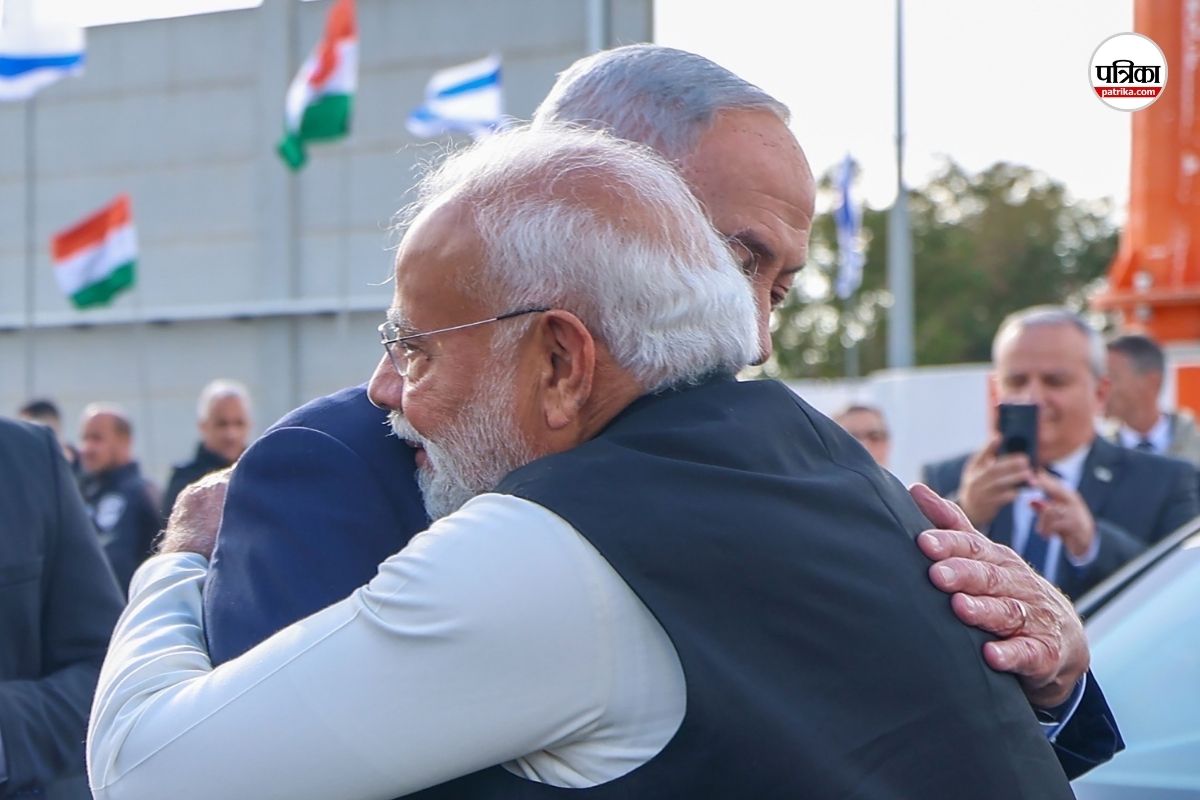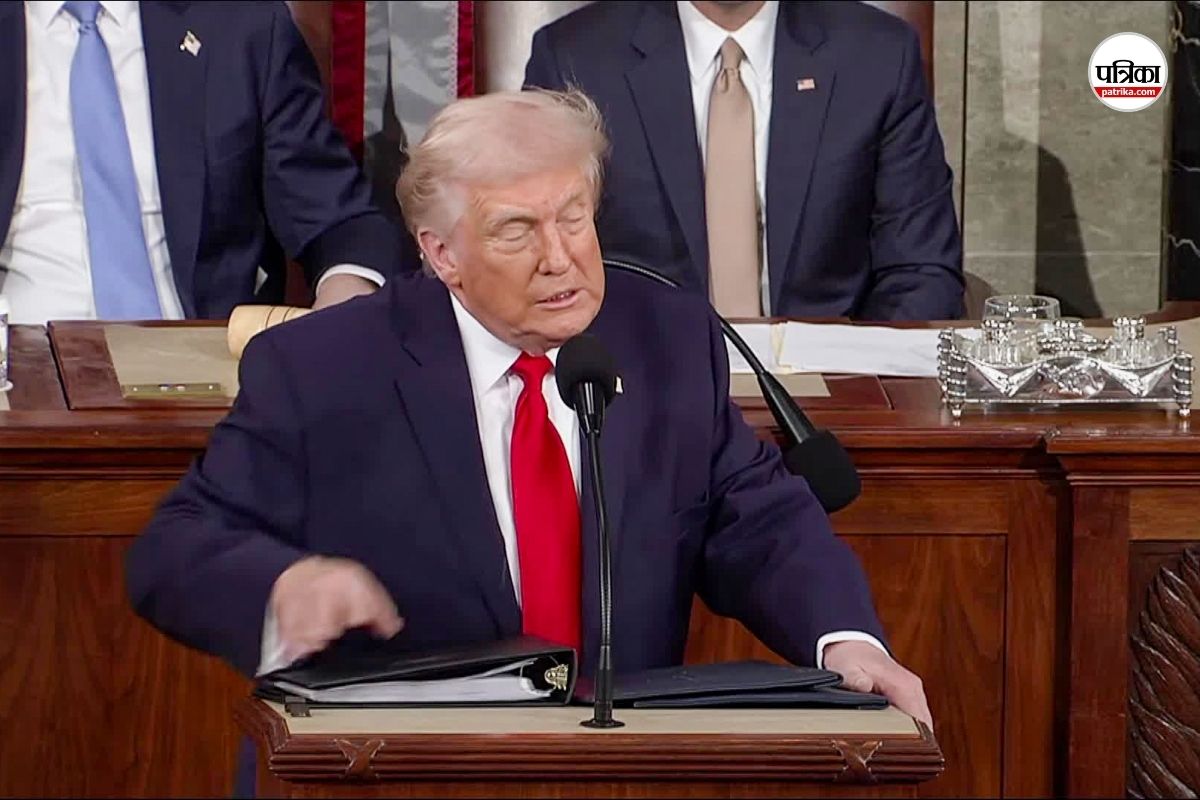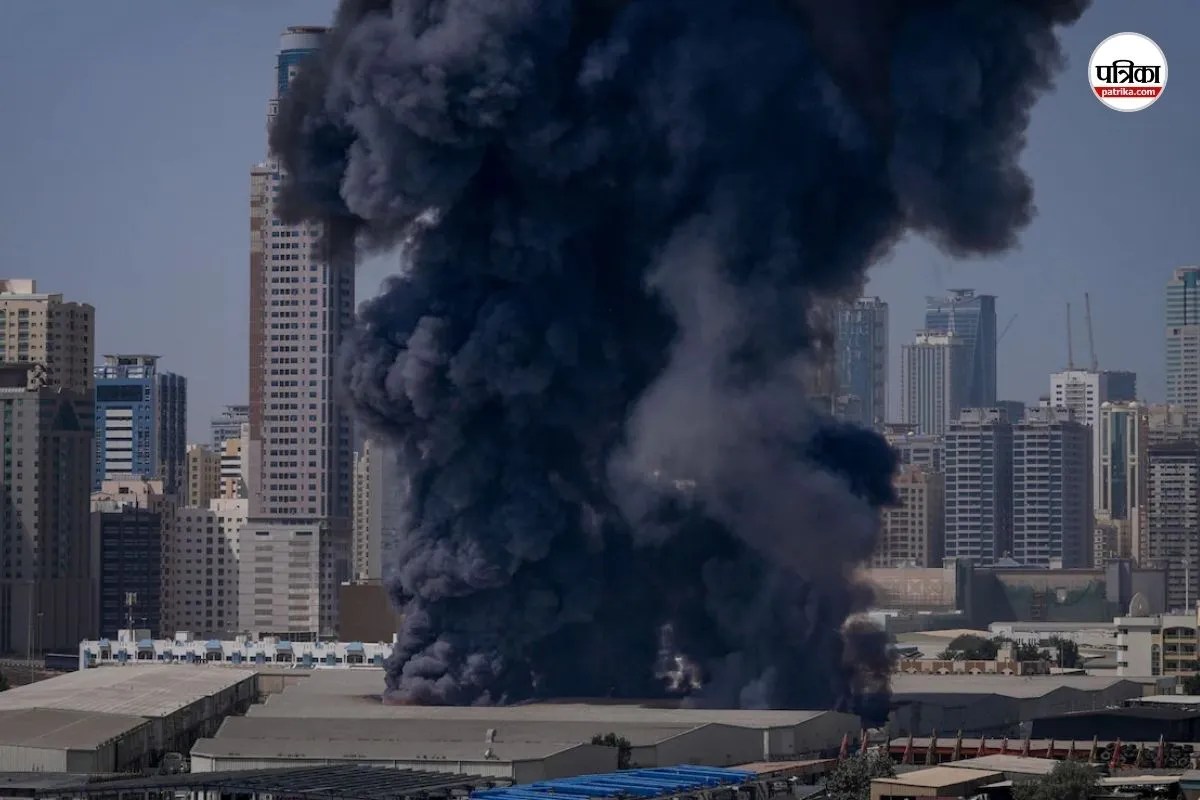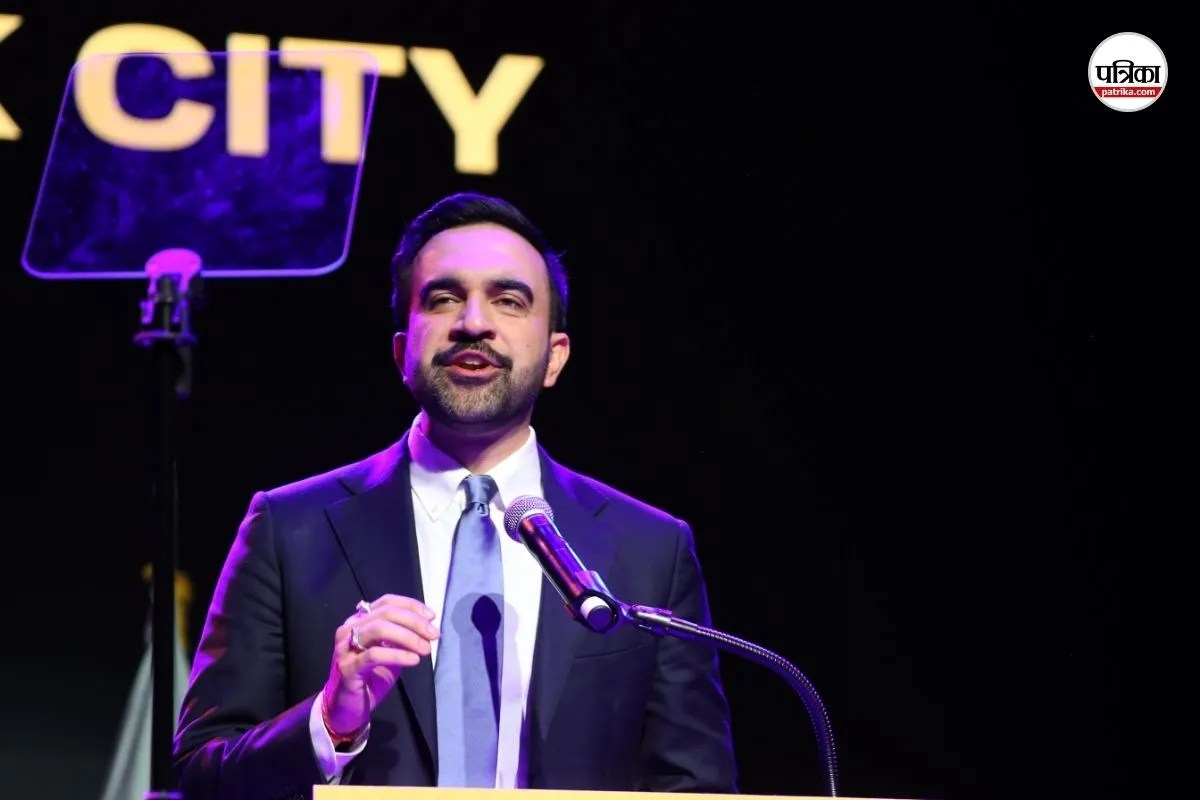
The drums of war aren't just loud; they’re deafening. New York State Assemblyman Zohran Mamdani recently voiced what many in the political establishment are too scared to say out loud. He warned that a full-scale conflict with Iran wouldn't just be another "overseas operation." It would be a catastrophe with global ripples that hit home in ways we aren't prepared for.
When a local leader like Mamdani speaks on foreign policy, people usually tell them to "stick to potholes and local taxes." That's a mistake. The cost of war is paid in local blood and local tax dollars. Mamdani's reaction to the escalating tensions isn't just a political stance. It's a pragmatic warning about the fragility of our current global stability.
The Reality of an Iran Conflict Beyond the Headlines
We've seen this movie before, but the sequel with Iran would be much darker than Iraq or Afghanistan. Iran is a different beast entirely. It has a sophisticated military, a strategic geography that controls the world’s most vital oil artery, and a network of proxies that can strike far beyond its borders.
If you think gas prices are high now, wait until a single tanker gets hit in the Strait of Hormuz. We're talking about a potential global economic freeze. Mamdani pointed out that the human cost is the most devastating, but the structural collapse of regional stability would haunt us for decades.
Most people assume a war with Iran would be a quick "surgical" strike. That’s a fantasy. Experts at the Brookings Institution and the Council on Foreign Relations have long warned that any direct kinetic action against Iran would likely trigger a multi-front war involving Lebanon, Syria, and Yemen. This isn't just about two countries. It's about a regional wildfire that no one knows how to put out once it starts.
Why Mamdani’s Voice Matters in New York
You might wonder why a New York City representative is the one sounding the alarm. It's simple. New York is a global hub. Our city feels the shockwaves of international instability faster than almost anywhere else.
Mamdani represents a district in Queens, one of the most diverse places on Earth. His constituents have families in the Middle East. They see the "serious consequences" he mentions not as abstract political theories, but as direct threats to their loved ones. When Mamdani speaks, he’s reflecting the genuine fear of a community that knows the cost of interventionism all too well.
Misconceptions About Modern Warfare and Diplomacy
There's a dangerous idea floating around that "maximum pressure" or military threats are the only way to handle Tehran. It’s an old-school approach that hasn't worked. In fact, every time the rhetoric heats up, we see Iran accelerate its nuclear program and tighten its grip on regional proxies.
- Sanctions aren't a silver bullet. They often hurt the civilian population more than the ruling elite.
- Cyber warfare is a two-way street. Iran has proven it can strike back at Western infrastructure.
- Geography is destiny. You can't change where Iran is located or its influence over the Persian Gulf.
Mamdani’s critique focuses on the fact that we’re choosing escalation over de-escalation. He’s arguing for a return to diplomacy, not because he’s "soft," but because he’s realistic. The alternative is a "forever war" that makes the last twenty years look like a rehearsal.
The Economic Gut Punch No One is Ready For
Let's talk about your wallet. A war with Iran would likely send Brent crude oil prices skyrocketing past $150 or even $200 a barrel. This isn't just about the price at the pump. It’s about the cost of shipping every single item you buy on Amazon. It’s about the cost of heating your home.
If the Strait of Hormuz is closed—even for a week—the global supply chain breaks. We saw how a single stuck ship in the Suez Canal threw the world into a tizzy. Now imagine that on a much larger scale, fueled by active combat. Mamdani understands that the "serious consequences" he warns of are also economic. A war would effectively be a massive tax on every person on the planet.
What a Real Path Forward Looks Like
Stopping a war requires more than just "not shooting." It requires active, uncomfortable diplomacy. We need to stop treating diplomacy like a reward for good behavior and start seeing it as the essential tool it is.
- Re-engage with regional partners. We can't do this alone, and we shouldn't want to.
- Prioritize humanitarian channels. Soft power often does more than a carrier group ever could.
- Be honest about the stakes. Leaders need to tell the public exactly what a war would cost in terms of lives and dollars.
Mamdani’s stance is a call for transparency. He’s demanding that we look at the potential fallout before we take a step we can’t take back. It’s easy to start a war; it’s nearly impossible to end one on your own terms.
We're at a crossroads. One path leads to a predictable, albeit difficult, diplomatic slog. The other leads to a chaotic conflict with no clear exit strategy. Mamdani chose to stand on the side of caution and humanity. Whether or not you agree with his politics, his assessment of the "serious consequences" is backed by the hard reality of modern geopolitics.
The next time you see a headline about tensions rising, don't just look at the military maneuvers. Look at the people who will actually bear the brunt of those decisions. If we want a stable future, we have to start listening to the voices calling for restraint before the first shot is fired. Reach out to your local representatives and demand a clear stance on de-escalation. Your future, and your wallet, might depend on it.