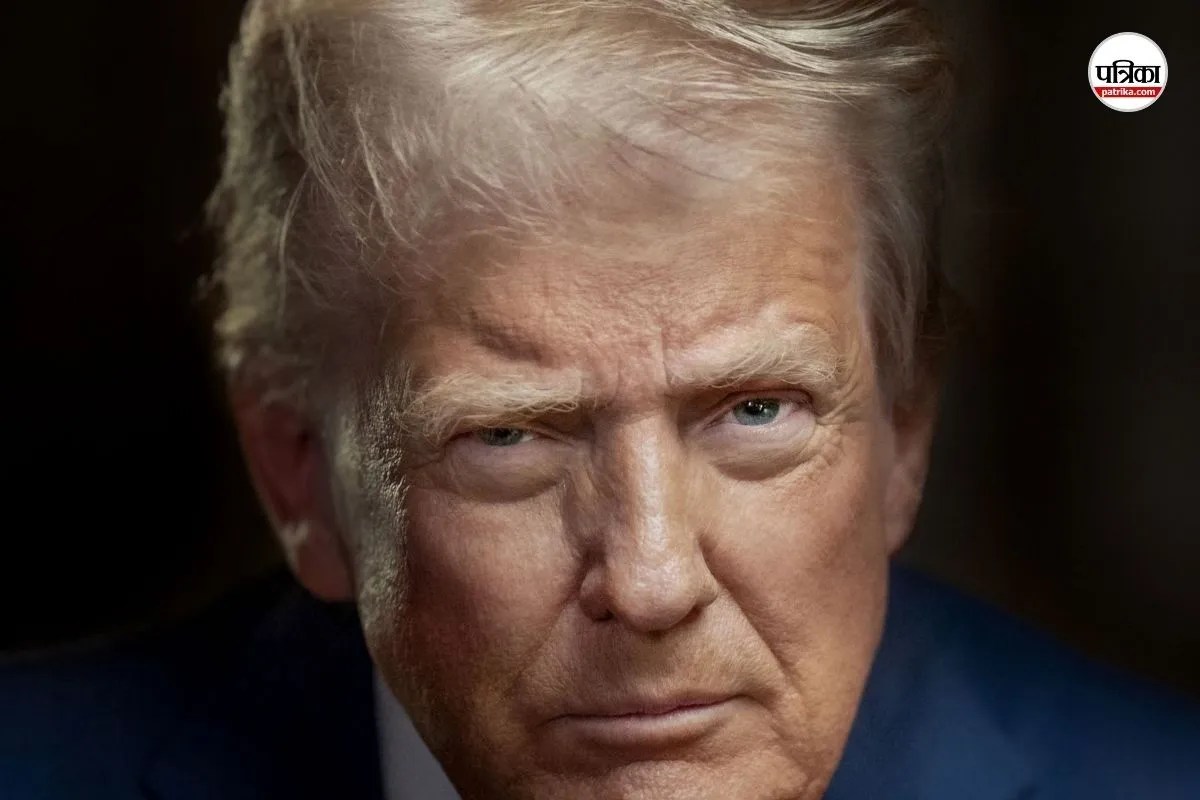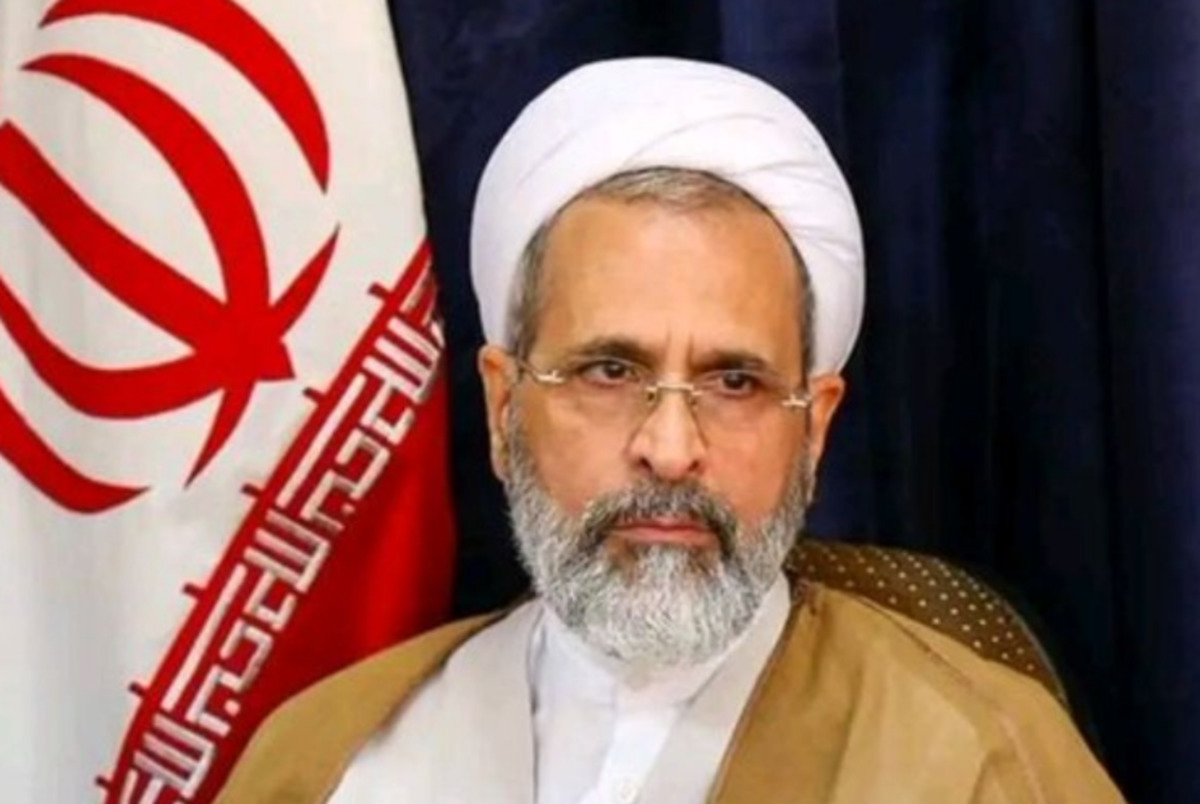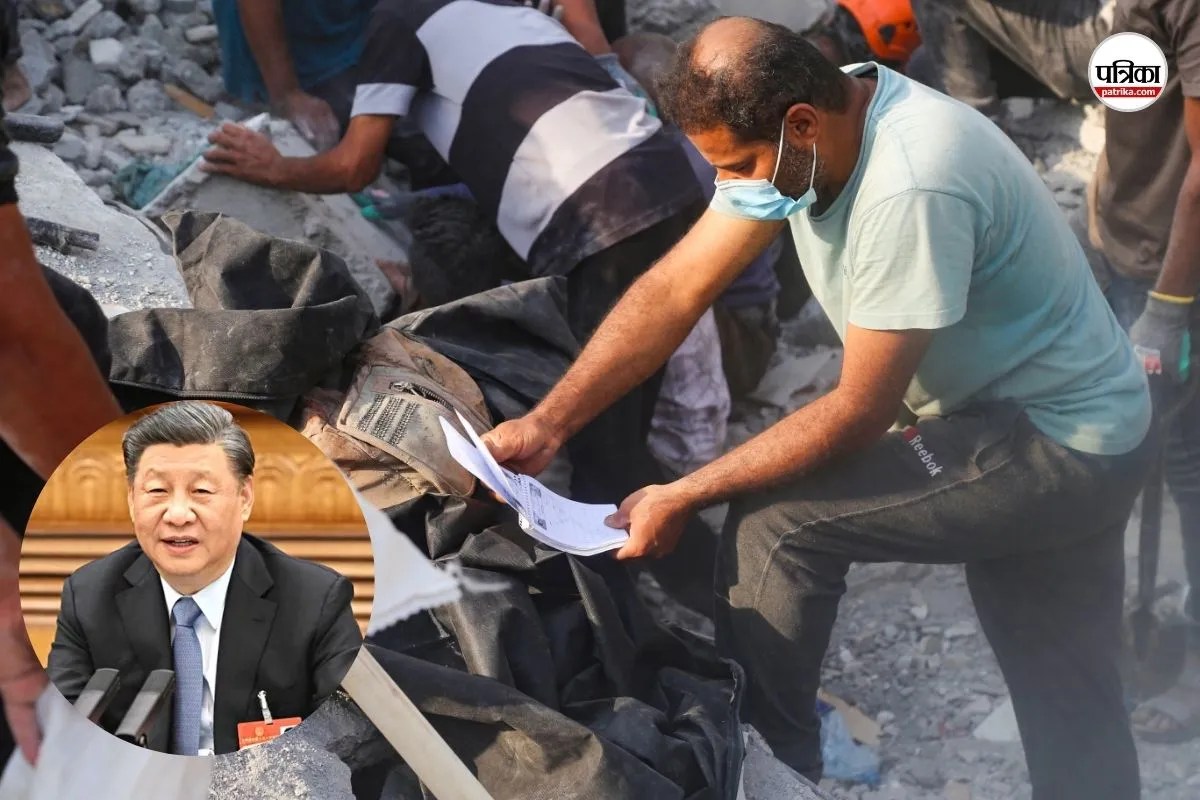
Beijing has reached a point of exhaustion with the escalating friction between Washington and Tehran. While the headlines suggest a simple plea for peace, the reality is a calculated Chinese effort to protect its massive energy dependencies and the Belt and Road infrastructure that now crisscrosses the Middle East. China is no longer just a bystander watching a regional rivalry; it is a stakeholder whose economic survival is tied to the stability of the Persian Gulf. By demanding an immediate halt to the hostilities, China is signaling that its patience with American "policing" and Iranian "resistance" has hit a wall.
The Economic Shackle Behind Beijing's Diplomacy
China’s primary concern is not humanitarian. It is energetic. As the world's largest importer of crude oil, China relies on the Strait of Hormuz for a staggering portion of its daily requirements. Any sustained military engagement between the United States and Iran risks a total blockade or a spike in insurance premiums that would cripple Chinese manufacturing. When Chinese officials warn of a "Great War," they are describing an economic extinction event for their domestic industrial sectors.
The "Passive Player" era is over. For decades, Beijing was content to let the United States shoulder the security costs of the Middle East while China focused on building ports and pipelines. That bargain has soured. With American influence perceived to be retreating or becoming increasingly erratic, China has stepped in to fill the vacuum—not with aircraft carriers, but with the checkbook and the diplomatic table. The 2023 Saudi-Iran rapprochement mediated by Beijing was the first shot in this new campaign to sideline Western interventionism in favor of a "security through development" model.
Why Washington and Tehran Are Both Failing the Region
The current deadlock serves nobody, yet both sides are trapped by their own internal political theater. The United States continues to rely on a sanctions-heavy approach that has failed to change Tehran's behavior for forty years. Conversely, Iran’s "Forward Defense" strategy—using regional proxies to keep conflict away from its own borders—has pushed the Middle East to a state of permanent tension.
China views both strategies as relics of the 20th century. To Beijing, the U.S. presence is a destabilizing force that prioritizes arms sales over trade routes. To the same degree, Iran’s penchant for brinkmanship threatens the very stability China needs to realize its long-term goals.
The Infrastructure at Risk
The Belt and Road Initiative (BRI) is the physical manifestation of China's global ambition. Billions of dollars have been poured into the following:
- Khalifa Port in the UAE: A massive logistics hub that functions as a gateway for Chinese goods into the Gulf.
- Industrial Parks in Oman: Strategically located outside the Strait of Hormuz to bypass potential naval blockades.
- Energy Deals in Iraq: Where Chinese state-owned enterprises have taken over fields abandoned by Western giants like ExxonMobil.
A full-scale war between the U.S. and Iran would turn these assets into collateral damage. China’s "immediate halt" demand is a notice to both parties that their bilateral grudge match is now interfering with the global supply chain in a way Beijing will no longer tolerate.
The Proxy Trap and the Risk of Miscalculation
The danger of a "Great War" as mentioned by Chinese diplomats stems from the loss of command and control. While Washington and Tehran might not want a direct confrontation, the various militia groups across Iraq, Syria, Lebanon, and Yemen operate with varying degrees of autonomy. A single misfired drone or an overzealous naval commander in the Red Sea can trigger a cascading series of treaty obligations and retaliatory strikes.
Beijing’s intelligence assessments likely show that the threshold for accidental war is at its lowest point in a decade. Unlike the Cold War, there are no established "hotlines" or de-escalation protocols between the U.S. and Iran that function reliably during a crisis. China is attempting to act as that missing circuit breaker.
The Limits of Chinese Influence
We must be honest about what China can and cannot do. While it has significant economic leverage over Iran as its top oil buyer, it lacks the military projection to enforce peace. China’s "power" in the Middle East is strictly transactional. If Tehran decides that the survival of the regime requires a conflict, Chinese disapproval will not stop them. Similarly, the U.S. is unlikely to take strategic advice from a peer competitor it views as a long-term existential threat.
This creates a dangerous paradox. China is the only power with the ear of both sides, yet it lacks the "big stick" necessary to compel either to back down. Its diplomacy is a house of cards built on the hope that everyone values profit over pride.
The Strategy of Strategic Ambiguity
By calling for an "immediate stop," China also positions itself as the "rational adult" on the world stage. This is a branding exercise as much as a diplomatic one. Every time the U.S. moves a carrier strike group into the region, China issues a statement about "sovereignty" and "restraint." This resonates with Global South nations who are tired of being caught in the crossfire of Western-led conflicts.
China is playing the long game. It wants to demonstrate that the American security umbrella is actually a lightning rod for trouble. If Beijing can successfully position itself as the mediator that prevented a third world war, the shift in regional alliances will accelerate. Countries like Saudi Arabia, Jordan, and Egypt are already hedging their bets, looking eastward as they realize that the U.S. commitment to the region is increasingly viewed through the lens of domestic American politics rather than regional stability.
Tactical Reality Check
The talk of a "Great War" isn't just hyperbole for the sake of a press release. The math is brutal.
$$\text{Global Oil Supply} - \text{Hormuz Transit} = \text{Global Economic Collapse}$$
If the Strait is closed, oil prices could realistically hit $200 per barrel within weeks. For a country like China, which is already dealing with a cooling property market and demographic shifts, such a shock would be catastrophic. This isn't about ideology; it's about the survival of the Chinese Communist Party's social contract with its people, which relies entirely on continued economic growth.
The U.S. and Iran are playing a game of chicken with a vehicle they don't fully own. China is the largest shareholder in that vehicle, and it is finally shouting for the drivers to hit the brakes before they go over the cliff. Whether either driver is actually listening is the question that will define the next decade of global history.
Stop looking for a peace treaty and start looking for the flow of yuan. Beijing will continue to tighten the financial leash on Tehran while simultaneously using its seat on the UN Security Council to paint American maneuvers as illegal aggression. It is a dual-track strategy designed to squeeze the conflict out of the region by making it too expensive for either side to continue.
Watch the movement of Chinese non-combatant evacuations and the shifting of insurance rates for COSCO shipping vessels. These are the true indicators of how close we are to the brink. When the merchant ships stop moving, the missiles are usually next.