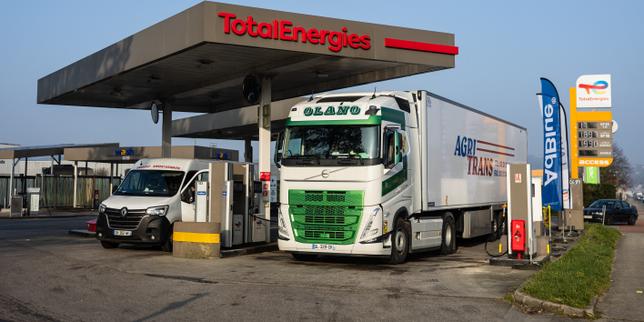
The brutal surge in fuel prices has moved past the point of being a manageable overhead expense. For the transport sector, this is no longer a matter of tightening belts; it is a full-blown existential crisis that threatens to snap the supply chain in half. While the public focuses on the price at the pump for their morning commute, the real damage is occurring in the freight depots and logistics hubs that keep food on shelves and raw materials in factories. The sheer velocity of the price hikes has outpaced the ability of most companies to adjust their contracts, leaving many hauling goods at a net loss.
This is the grim reality of a high-pressure industry where margins are traditionally thinner than a sheet of paper. When diesel prices spike by double-digit percentages in a matter of weeks, the "fuel surcharge" mechanisms built into many shipping contracts fail to provide a safety net. They are too slow. They are too rigid. They are built for a world of predictable inflation, not the volatile spikes currently gutting the balance sheets of haulage firms across the continent. If you liked this article, you should look at: this related article.
The Mirage of Indexation
Most outsiders assume that transport companies simply pass the cost of fuel onto the customer. If only it were that easy. In practice, indexation is a lagging indicator. A company might be paying today's record prices at the terminal while their contractually agreed-upon surcharge is still based on the average price from a month ago. In a market where fuel can represent 30% to 40% of total operating costs, a three-week lag in price adjustment can evaporate an entire year’s profit margin.
Smaller operators are the first to feel the squeeze. They lack the hedging power of multinational logistics giants. They cannot negotiate massive bulk-buy discounts or weather a quarter of negative cash flow. For a family-run firm with twenty trucks, a sustained price spike is a death sentence. We are seeing a quiet thinning of the herd that will eventually lead to less competition and, ironically, even higher prices for consumers down the road. For another perspective on this development, see the recent coverage from Business Insider.
The math is unforgiving. If a heavy goods vehicle (HGV) averages 8 miles per gallon and covers 80,000 miles a year, even a marginal increase in the price per liter adds thousands to the annual bill per vehicle. Multiply that by a fleet of fifty, and the numbers become staggering. There is no magic efficiency gain that can offset these totals. Aerodynamic fairings and driver training programs offer incremental savings, but they are powerless against the raw force of global energy markets.
The Empty Return Trip
One of the most overlooked factors in this crisis is the "deadhead" mile. Efficiency in transport relies on trucks being full both ways. However, as the economy cools under the weight of energy costs, consumer demand drops. This leads to an imbalance in freight flows. Trucks are increasingly forced to return to their home base empty because there isn't enough cargo to justify a return leg at current fuel rates.
An empty truck is a financial black hole. It still consumes fuel, it still requires a driver, and it still incurs wear and tear, but it generates zero revenue. When fuel was cheap, an occasional empty run was a nuisance. Now, it is a catastrophe. Companies are being forced to choose between taking a loss on a return trip or leaving their equipment idle. Neither option is sustainable.
This pressure is also exposing the fragility of the "just-in-time" delivery model. This system, which relies on a constant flow of trucks acting as mobile warehouses, assumes that transport costs will remain stable and predictable. That assumption has been shattered. We are moving toward a "just-in-case" model where companies try to hoard inventory to avoid the skyrocketing costs of frequent deliveries, but this requires warehouse space that is already at a premium.
The Labor Trap
You cannot discuss fuel without discussing the people behind the wheel. The transport sector was already grappling with a severe driver shortage. Now, the fuel crisis is making it impossible for firms to offer the wage increases necessary to attract new talent. Every extra cent spent at the fuel terminal is a cent that cannot be spent on driver retention or recruitment.
The psychological toll on owner-operators is particularly heavy. These individuals, who own their trucks and contract their services, are seeing their take-home pay vanish. Many are simply walking away from the industry. They are parking their rigs and looking for work in construction or local delivery where the overhead is lower and the hours are better. Once these experienced drivers leave, they rarely come back. Their departure leaves a permanent dent in the logistics capacity of the nation.
Furthermore, the aging fleet is becoming a liability. Modern trucks are more fuel-efficient, but they are also incredibly expensive. With credit markets tightening and cash flow disappearing into fuel tanks, companies are delaying the purchase of newer, cleaner vehicles. This traps them in a cycle of using older, thirstier trucks that cost more to run, further deepening the financial hole.
The Myth of Rapid Electrification
There is a frequent counter-argument that this fuel crisis should serve as a catalyst for the transition to electric heavy goods vehicles. This is a dangerous oversimplification that ignores the physical and economic constraints of long-haul freight. The energy density of diesel is hard to beat. To move 40 tons of goods across 500 miles, an electric truck requires batteries so heavy they significantly reduce the amount of actual cargo the vehicle can carry.
The infrastructure isn't there. A fleet of electric HGVs would require charging stations with the power draw of small towns. The capital expenditure required to overhaul a depot for electric charging is in the millions. For a sector currently struggling to pay its weekly fuel bill, the suggestion that they should invest in unproven, expensive technology is almost insulting. Hydrogen remains a possibility for the future, but it offers no relief for the crisis happening this afternoon.
Government intervention has been tepid at best. Temporary fuel duty cuts are often absorbed by the market before they even reach the end-user. What the industry actually needs is a structural change in how fuel is taxed for commercial transport versus private use. Treating a 44-ton food delivery truck the same as a luxury SUV at the pump is a policy failure that ignores the essential nature of the logistics industry.
The Fragility of the Last Mile
While long-haul trucking is the most visible victim, the "last mile" delivery sector is also buckling. These are the vans that bring parcels to your doorstep. They operate in congested urban environments where fuel consumption is at its highest due to constant idling and stop-start traffic. These operators are often independent contractors working for major platforms. They have zero bargaining power.
When fuel prices rise, these drivers see their effective hourly wage drop below the legal minimum after expenses. This is leading to a quiet rebellion. Service levels are dropping, delivery windows are being missed, and the reliability of the e-commerce machine is starting to flicker. The consumer, used to "free" shipping, is about to discover that nothing is ever truly free. Shipping costs will have to go up, or the service will simply cease to exist in its current form.
Operational Darwinism
We are entering a period of forced consolidation. The companies that survive will be those with the most sophisticated data analytics—firms that can squeeze every possible ounce of utility out of a gallon of fuel. This means more aggressive route optimization, more frequent price renegotiations, and a ruthless approach to client selection. If a client’s cargo is low-margin and heavy, they may find it increasingly difficult to find a carrier willing to take the job.
This selection process will have ripple effects throughout the economy. Low-value bulk goods like construction materials or certain agricultural products will become disproportionately more expensive to move. We could see a situation where the cost of transporting a brick is more than the cost of making it. This isn't a hypothetical risk; it is a mathematical certainty if the current trend line continues.
The Ghost of 2008
Veterans of the industry remember the oil price spikes of 2008, but the current situation is different. Back then, the global economy was entering a freefall that eventually lowered demand and brought prices back down. Today, we are seeing high prices coupled with supply chain disruptions and geopolitical instability that show no signs of abating. It is a more complex, more durable crisis.
The resilience of the transport sector is being tested to destruction. For decades, the industry has absorbed the shocks of the global economy, acting as a silent buffer that kept goods moving regardless of the external chaos. That buffer is gone. The industry is now transmitting those shocks directly into the heart of the economy. Every time a trucking company goes bust, a piece of the national infrastructure disappears.
The focus must shift from "surviving the spike" to "restructuring for volatility." This means moving away from fixed-price long-term contracts and toward more dynamic, transparent pricing models. It means clients taking on a greater share of the energy risk. And it means a fundamental revaluation of what it costs to move things from point A to point B. The era of cheap, invisible logistics is over.
Stop looking for a return to "normal." The current price environment is the new baseline, and the transport firms that refuse to accept that reality are already walking dead. The only way forward is a brutal reassessment of every mile driven, every liter burned, and every contract signed. The road ahead is steep, expensive, and unforgiving.
Audit your current shipping contracts for fuel lag immediately.