In the glass-walled rooms of Brussels, the air is climate-controlled and smells of expensive paper. In the dust-choked corridors of the Middle East, the air smells of diesel and uncertainty. These two worlds are tethered by a single, fraying cord: an alliance born in the wake of a world war that many now feel has forgotten how to fight.
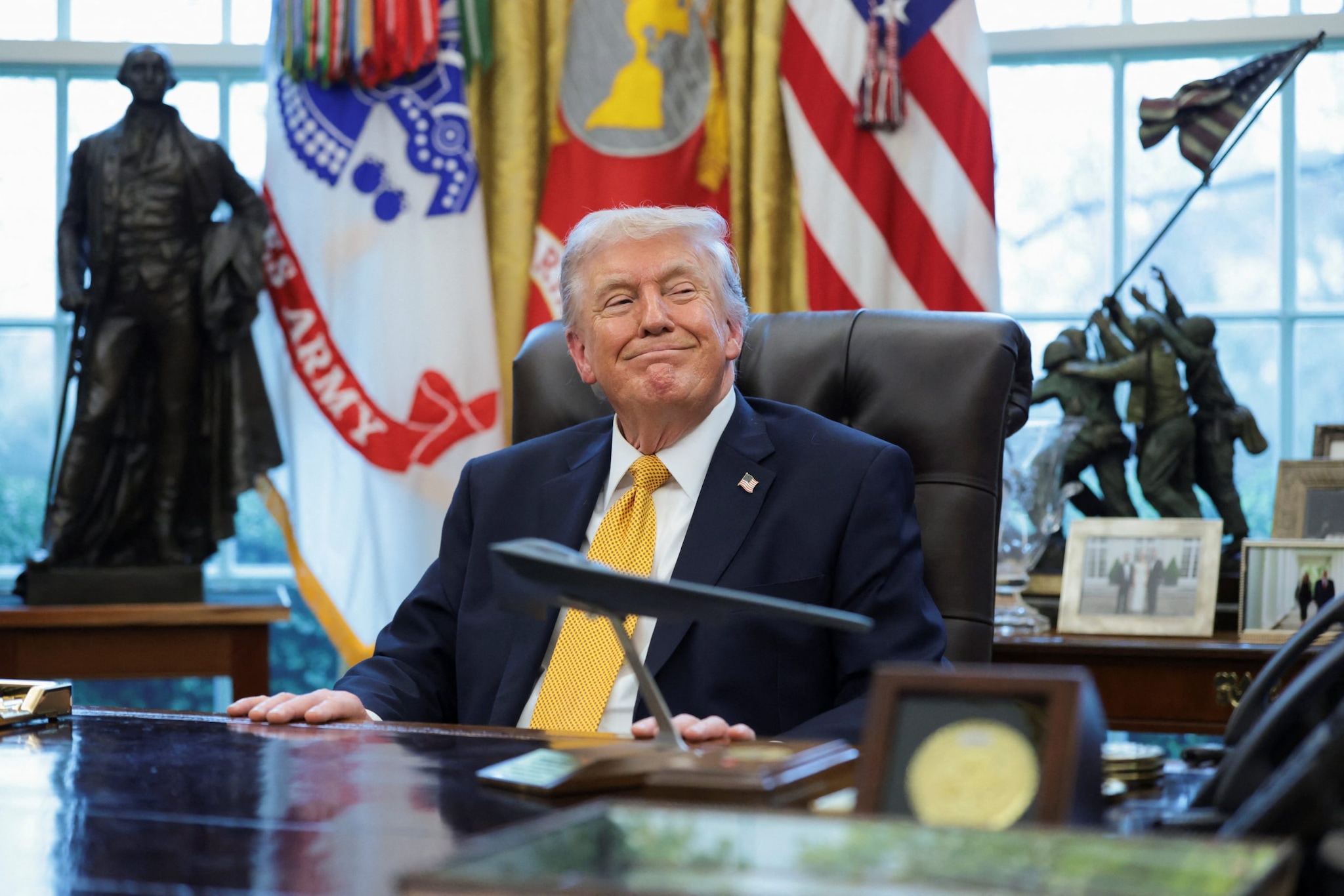
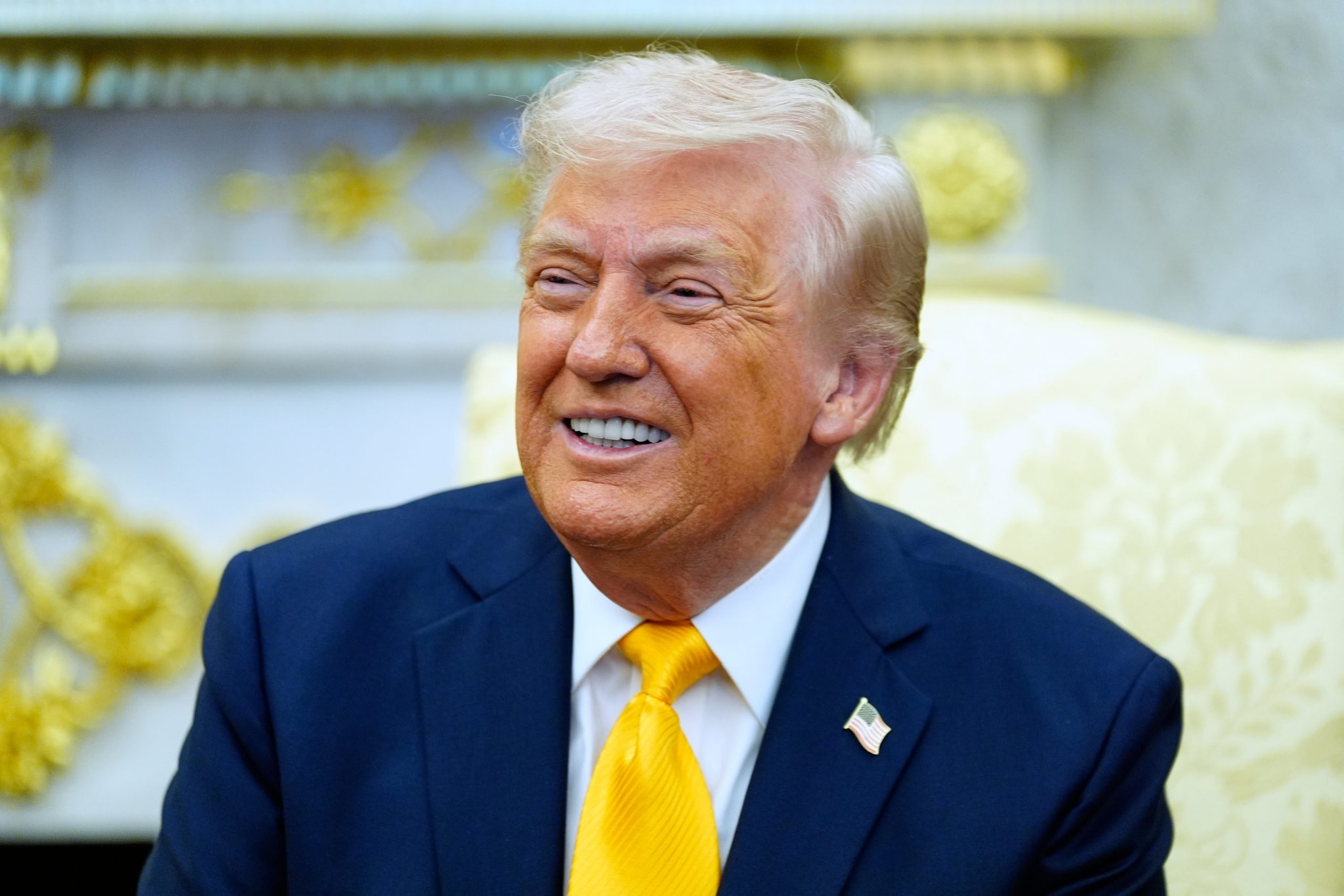
Donald Trump stood before the microphones and did what he does best. He cracked the veneer. By calling NATO "inactive," he wasn't just poking at a bureaucratic bruise; he was questioning the very utility of a twentieth-century shield in a twenty-first-century firestorm. As the United States pushes its offensive against Iranian influence, the silence from the European capitals isn't just diplomatic. It is foundational.
Consider a hypothetical young officer named Elias, stationed at a small outpost where the borders of influence blur. Elias doesn't care about the communiqués or the polished mahogany tables in Belgium. He cares about whether the drone humming overhead belongs to a friend or a ghost. He cares about whether the collective weight of the West actually translates to a deterrent, or if it is merely a ghost of a pact signed by men who have been dead for decades. For Elias, the "inactivity" Trump mocks isn't a political talking point. It is a gap in his perimeter.
The friction is simple and devastating. Washington is currently sprinting toward a confrontation with Tehran, utilizing every lever of economic and military pressure available. Meanwhile, the North Atlantic Treaty Organization—the most powerful military alliance in human history—seems to be checking its watch.
The Weight of an Idle Engine
An alliance is like a high-performance engine. If you don't run it, the gaskets dry out. The oil settles. Eventually, when you turn the key, all you get is a dry, metallic click.
Trump’s critique hinges on a brutal realization: NATO was built to stop Soviet tanks from rolling through the Fulda Gap. It was a linear solution to a linear problem. But the modern battlefield is a chaotic mosaic of proxy wars, cyber-attacks, and "gray zone" conflicts that don't always trigger the famous Article 5 collective defense clause. While the U.S. looks at the Middle East and sees a direct threat to global stability, many European members see a quagmire they would rather observe from a distance.
This distance has a cost.
When the leader of the free world calls the alliance "inactive," he is signaling to every adversary that the shield has cracks. He is suggesting that the "one for all, all for one" mantra has a silent asterisk next to it: only if it’s convenient.
A Disconnect in the Desert
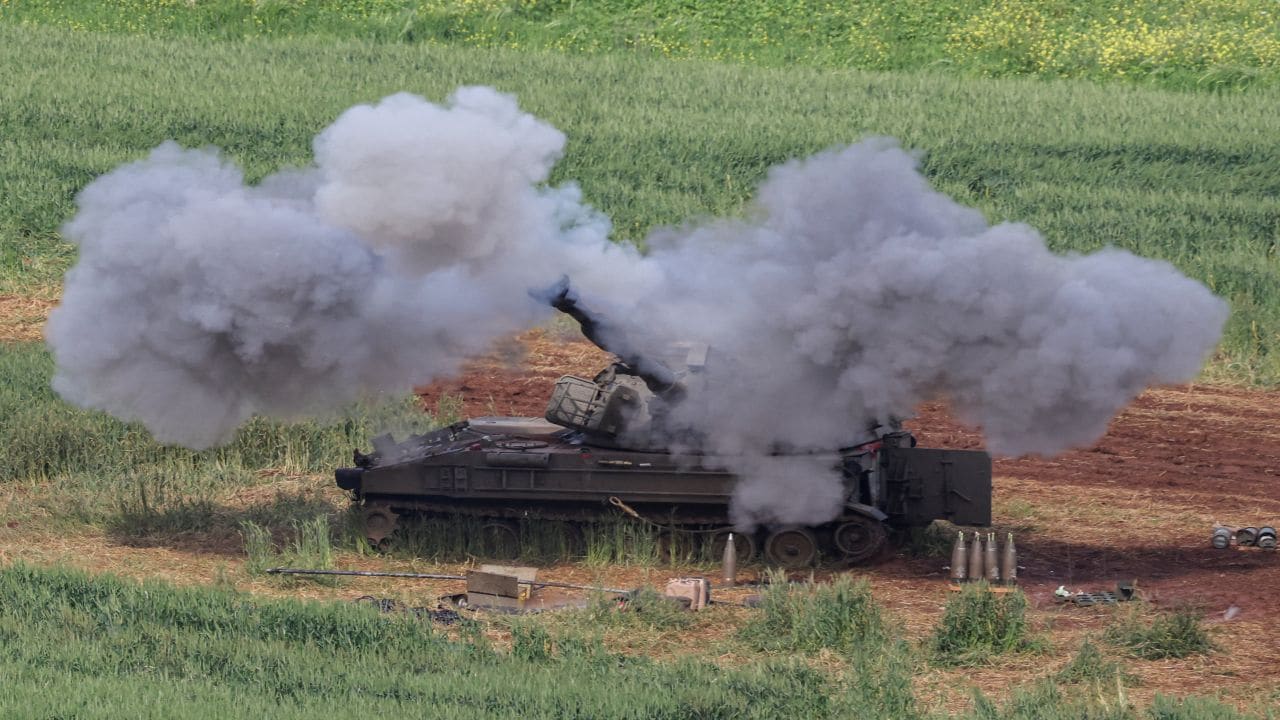
The U.S. offensive against Iran isn't just about missiles or sanctions. It is about the architecture of power. By pressing forward while NATO remains on the sidelines, the U.S. is essentially operating as a lone wolf with a very large pack that refuses to hunt.
The statistics tell a story of lopsided commitment. For years, the U.S. has shouldered the lion's share of the spending, a point Trump has hammered until the gavel nearly broke. But the current tension goes deeper than the ledger. It’s about the soul of the mission. If NATO cannot or will not pivot to face the threats emanating from the Middle East—specifically the destabilizing tendrils of the Iranian regime—then what, exactly, is it for?
Imagine the frustration in the Pentagon. You have a multi-billion dollar infrastructure designed for cooperation, yet when the pressure builds in a critical theater, you find yourself coordinating with a vacuum.
The Iranian offensive is a multifaceted beast. It involves stifling oil revenues, intercepting arms shipments, and countering the influence of groups like Hezbollah. These are tasks that require global intelligence sharing and unified maritime pressure. When NATO sits it out, the U.S. has to work twice as hard to achieve half the result. It’s like trying to row a trireme while half the rowers are busy debating the weather.
The Invisible Stakes of Apathy
What happens if the critics are right? What if NATO has become a legacy brand, like a once-great department store that forgot how to sell things people actually need?
The danger isn't just a lack of military support. It’s the message of fragmentation. Every time a U.S. president slams the alliance, and every time the alliance fails to respond to a shifting global reality, the walls of the international order get a little thinner.
We often talk about "geopolitics" as if it’s a game of Risk played on a board. It isn't. It’s a series of lived realities. It’s the price of gas at a pump in Ohio. It’s the security of a shipping lane in the Strait of Hormuz. It’s the ability of a small nation to exist without being swallowed by a larger neighbor’s ambitions.
The U.S. push against Iran is designed to re-establish a boundary. It is an attempt to say that there are rules to how a nation-state behaves. But rules only work if they are enforced by a community, not just a sheriff. When the community—NATO—remains "inactive," the sheriff starts to look like a vigilante. And the rules start to look like suggestions.
The Friction of the Old and the New
There is a visceral tension in watching a 75-year-old institution try to find its footing in a world of hypersonic missiles and digital warfare. The U.S. is moving at the speed of a startup, breaking things and moving fast, while NATO moves with the deliberate, agonizing slowness of a cathedral.
The "inactivity" isn't necessarily a lack of desire. It’s a lack of design.
NATO’s decision-making process requires consensus. In a world of 32 members, consensus is the enemy of urgency. While the U.S. identifies a threat and moves to neutralize it, Brussels is often still debating the wording of the memo. This delay is a luxury the current Middle Eastern climate does not afford.
Trump’s rhetoric, though abrasive, serves as a high-voltage shock to a stalled heart. He is forcing a conversation that most diplomats would rather have over a ten-year period. He is asking the question that everyone is thinking but no one wants to answer: Is a defensive alliance that doesn't defend against modern threats still an alliance? Or is it just a very expensive social club with a military budget?
The Human Cost of a Paper Tiger
Back to Elias, our hypothetical officer.
He watches the horizon. He knows that his safety depends on the idea that if things go wrong, a massive, unstoppable force has his back. But as he reads the headlines, as he hears the bickering and the accusations of inactivity, that certainty begins to erode.
The real casualty of this rift isn't a budget line or a treaty. It is trust.
Trust is the only thing that makes a soldier stand their ground. Trust is the only thing that makes an adversary think twice. When that trust is traded for political posturing or buried under bureaucratic inertia, the world becomes a much more dangerous place for the people actually standing on the line.
The U.S. will continue its offensive. The pressure on Iran will mount. But the shadow of a silent NATO will loom over every move. It is a reminder that the greatest empires and the strongest alliances rarely fall to an external blow. They crumble because they stop believing in their own purpose. They stop moving. They become, quite simply, inactive.
The desert wind doesn't care about treaties. It only cares about what is solid enough to stand against it. Right now, the American president is screaming that the wall is made of sand, and the architects are too busy checking the blueprints to notice the storm is already here.
The sun sets over the Mediterranean, casting long, distorted shadows across the maps of generals and the desks of politicians. The maps show a world divided by intent, while the desks are piled high with the paperwork of a past that no longer exists.