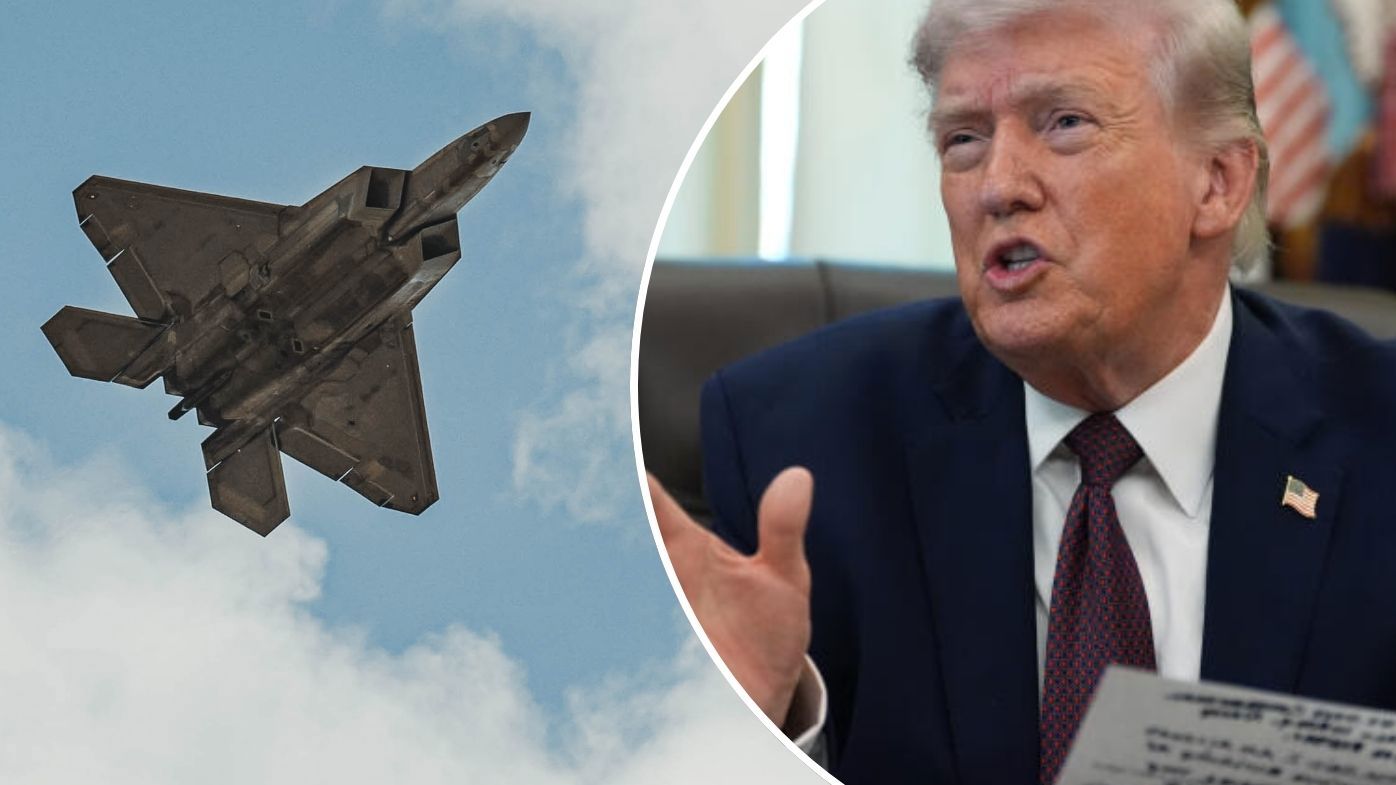
Donald Trump has set a countdown for the end of the first American ground war in the Middle East since the 2003 invasion of Iraq. Speaking from the Oval Office on Tuesday, the President declared that U.S. forces would be leaving Iran within two to three weeks, asserting that the military objectives of the five-week-old campaign have been met ahead of schedule. "We leave because there's no reason for us to do this," Trump told reporters, framing the withdrawal not as a retreat, but as the conclusion of a clinical strike designed to "put them into the stone ages."
This timeline serves a specific political purpose. With the 2026 midterms looming and global oil prices hovering near $116 a barrel, the administration is desperate to decouple the American economy from a conflict that has already lasted longer than the "four to six weeks" originally promised when boots hit the ground on February 28. Yet, the reality on the ground in Tehran and Isfahan suggests that "leaving" is a term subject to extreme interpretation. While the President speaks of a clean break, the Pentagon is quietly grappling with the reality of a "rotting corpse" of a regime and a vacuum that no one is prepared to fill.
The Illusion of the Clean Break
The administration’s core premise is that the U.S. has "obliterated" Iran’s nuclear capabilities, rendering further occupation unnecessary. This is the logic of a developer who demolishes a condemned building and expects the lot to remain empty and quiet. But geopolitical vacuums do not remain empty. By signaling a hard exit date without a formal diplomatic treaty—a "deal" Trump now calls "irrelevant"—the White House is effectively betting that a decimated Iranian state will simply cease to be a threat.
History is rarely so cooperative. The June strikes and the subsequent ground invasion have indeed shattered the Islamic Republic’s formal command structure, but they have also scattered its assets. Intelligence reports indicate that while the roofs of Natanz and Isfahan are rubble, the "human capital" of the nuclear program remains largely intact. A three-week withdrawal timeline leaves no room for the arduous task of "de-nuclearizing" a population of scientists and engineers who now have every incentive to go underground.
The Petroleum Pivot and Kharg Island
While the President talks about leaving, he is simultaneously floating the idea of "taking the oil." This contradiction is the defining feature of the 2026 Iran policy. In a recent interview, the President suggested seizing Kharg Island, the terminal through which the vast majority of Iranian crude exports pass.
You cannot leave a country while simultaneously occupying its most valuable economic asset.
If the U.S. military departs the mainland but maintains a permanent garrison on Kharg Island to "stabilize" energy markets, the war hasn't ended. It has simply transitioned into a maritime protection racket. This "hub-and-spoke" model of foreign policy—where the U.S. secures the resources it wants while ignoring the chaos on the shore—is a high-stakes gamble. It assumes that the remnants of the Iranian military and various proxy groups will allow the world’s energy supply to flow unmolested while their capital is in ruins.
The Regime Change That Wasn't
The White House has recently shifted its rhetoric, claiming that "regime change" has effectively already occurred. The President’s suggestion that he is now dealing with "professionals" implies that a new, more compliant shadow government is ready to take the reins. However, there is a vast difference between "dealing with people" and having a functional state.
The current situation in Tehran resembles the early days of the 180°C heat of a fever that hasn't broken. Anti-government protests in January were met with a crackdown that left thousands dead, and the subsequent U.S. invasion has only further atomized the political landscape. By withdrawing in three weeks, the U.S. is handing the keys back to a house that is still on fire.
The Security Vacuum Risks
- Resurgence of Hardliners: With U.S. troops gone, the most radical elements of the IRGC—those who survived the initial onslaught—will have a clear path to re-establish control through sheer brutality.
- The Nuclear Black Market: Without a "boots on the ground" presence to secure radioactive materials, the risk of "dirty bomb" components entering the global black market reaches its highest point since the collapse of the Soviet Union.
- Regional Spillover: Israel and Saudi Arabia, both of whom have been quiet participants in the current conflict, are unlikely to accept a "three-week exit" that leaves Iran’s ballistic missile capabilities partially functional.
The Economic Aftershock
Wall Street is currently pricing in a "Trump Peace," but the volatility in Brent crude tells a different story. Traders are skeptical. They understand that a hasty withdrawal often leads to a more violent return. The administration’s hope is that by declaring victory and exiting, they can force oil prices back down to the $70 range, providing a much-needed win for American consumers before November.
But if the exit triggers a civil war or a series of asymmetric attacks on Pakistan-flagged ships in the Strait of Hormuz, the price of gas at the pump will become the President’s greatest political liability. The market isn't looking for a "fast" exit; it is looking for a "stable" one.
The President’s "two to three weeks" isn't a military strategy. It is a closing argument for a domestic audience. The tragedy of this approach is that it ignores the fundamental lesson of the last quarter-century of Middle Eastern intervention: you don't get to choose when a war is over just because you've stopped fighting it.
The U.S. may leave Iran by the end of April, but the ghost of the conflict will haunt the global economy and the 2026 election cycle long after the last transport plane departs Mehrabad. Finishing the job requires more than just "knocking the hell out of them." It requires a plan for the day after the rubble stops smoking.
Pack the bags and prepare the victory parades. Just don't expect the silence to last.