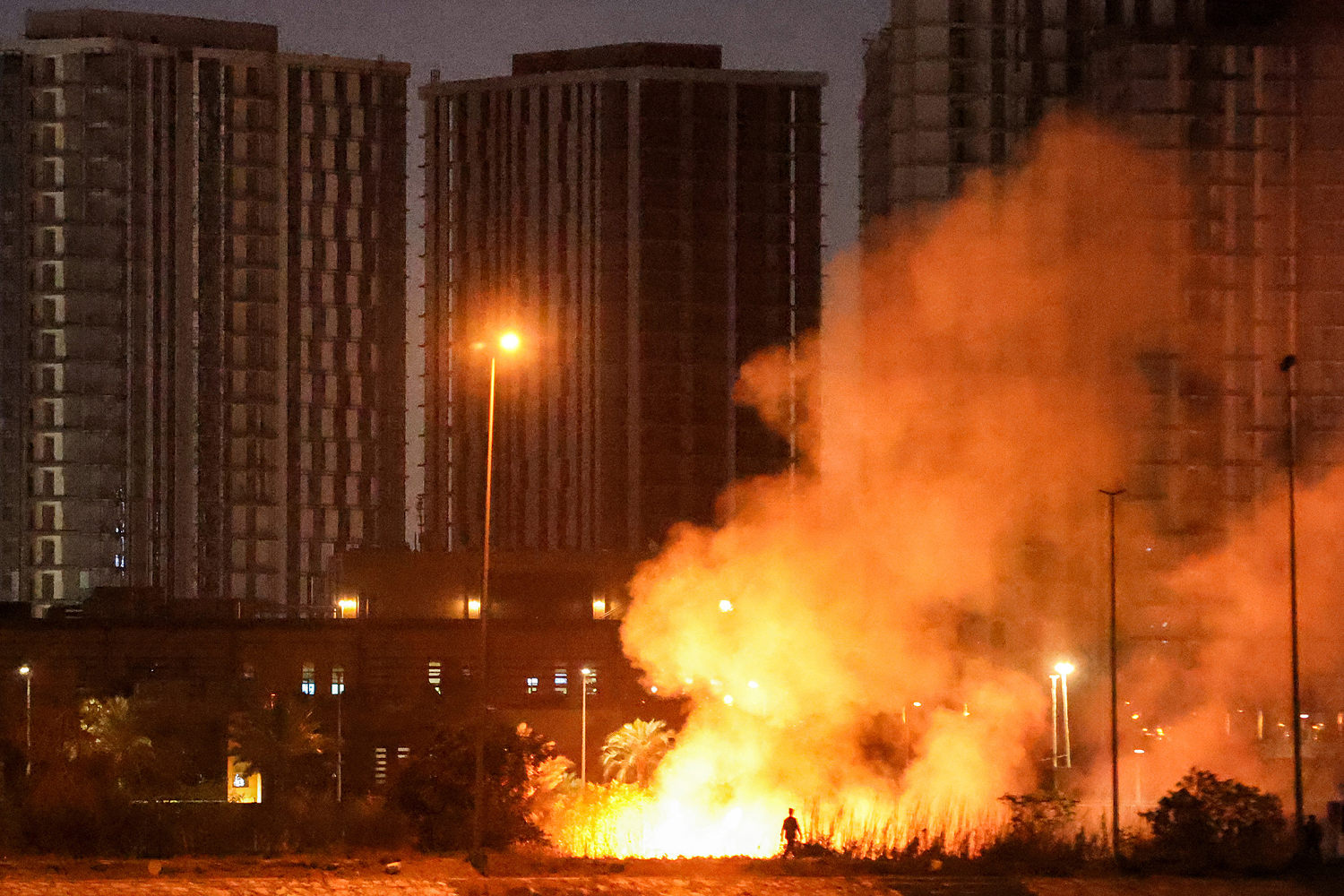
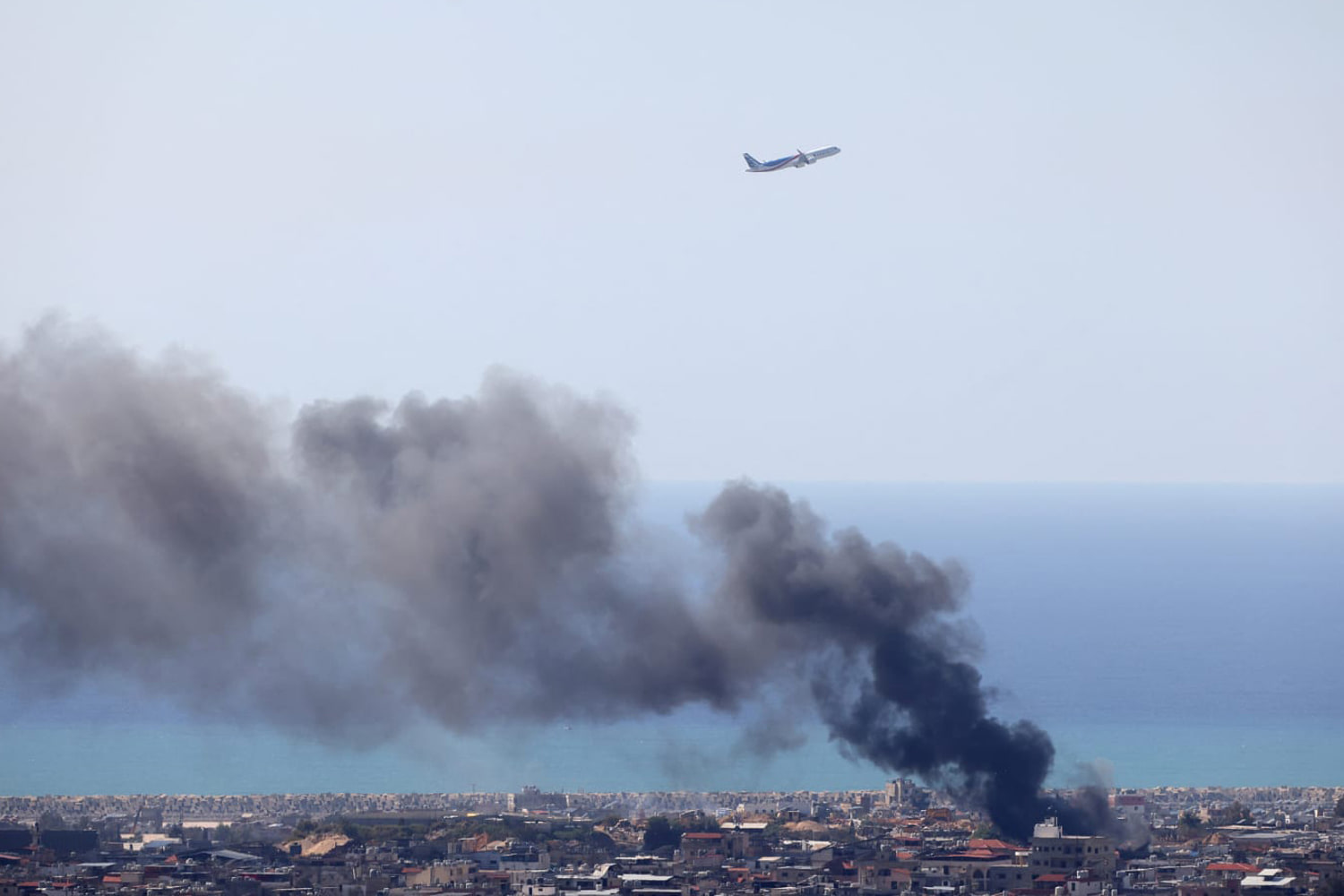
The shadow war between Iran and Israel just stepped into the light, and it's not looking back. When Iran launched a massive barrage of ballistic missiles at Israel in October 2024, it wasn't just a random act of aggression. It was a calculated, albeit desperate, response to a string of high-profile assassinations that gutted the leadership of Iran's "Axis of Resistance." Specifically, the killing of IRGC Major General Abbas Nilforoushan, alongside Hezbollah’s Hassan Nasrallah, pushed Tehran into a corner where doing nothing became more dangerous than starting a war.
If you're trying to figure out why the Middle East feels like it's on the brink of a total meltdown, you've got to look at the "tit-for-tat" cycle that has moved from the shadows to direct state-on-state violence. For years, Israel hit Iranian assets in Syria or used cyberattacks. Iran used proxies like Hezbollah or the Houthis. That era is over. Now, we're seeing 200-missile salvos and direct strikes on sovereign territory.
The Breaking Point of Strategic Patience
For months, Iran practiced what it called "strategic patience." They watched as Israel allegedly took out Ismail Haniyeh in the heart of Tehran—a massive security embarrassment—and followed it up by decapitating Hezbollah's leadership in Beirut. But the death of Abbas Nilforoushan was the final straw. Nilforoushan wasn't just any officer; he was the IRGC's deputy commander for operations, the man effectively running the ground game for Iran’s regional strategy.
When you kill a security chief of that stature, you aren't just taking a piece off the board. You're telling the Iranian regime that their most protected officials are "dead men walking." Tehran realized that if they didn't swing back hard, their internal stability and regional credibility would evaporate. Honestly, the October 1 missile strike—Operation True Promise II—was Iran's attempt to restore a "deterrence" that had already been smashed to pieces.
What Actually Happened During the Retaliation
Don't believe the hype from either side entirely. Iran claimed 90% of its missiles hit their targets, including the Nevatim Airbase and Mossad headquarters. Israel and the U.S. countered that most were intercepted by the Iron Dome and Arrow systems. The truth, as usual, sits somewhere in the middle.
Satellite imagery eventually showed that while Israel’s multi-layered defense was incredibly effective, several Iranian missiles did punch through. They hit near airbases and sensitive zones. No, they didn't wipe out the Israeli Air Force, but they proved that Iran has the volume to overwhelm even the best defense systems in the world.
- Fattah-1 Hypersonic Missiles: Iran claimed to use these for the first time. They're designed to maneuver at high speeds to dodge interceptors.
- Volume over Precision: By launching nearly 200 missiles at once, Iran gambles that the sheer numbers will let a few through.
- Economic Attrition: An Iranian missile costs a fraction of the Arrow-3 interceptors used to stop it. This is a war of wallets as much as weapons.
The Myth of the "Surgical Strike"
One thing people get wrong is thinking these assassinations or retaliations are "surgical." There's no such thing in this theater anymore. When Israel targets a security chief in a bunker under a residential block in Beirut, the collateral damage is massive. When Iran fires 200 missiles, even if they aim for military bases, the risk of a "stray" hitting a city center is nearly 100%.
The killing of security chiefs like Nilforoushan or the 2026 reports regarding Ali Larijani and Esmail Khatib shows that Israel has moved to a "decapitation" strategy. They aren't just fighting the IRGC; they're trying to remove the brains of the operation. Iran's response is to show they still have the "muscles"—the missiles—even if the brains are being targeted.
Why This Cycle Isn't Stopping
You might wonder why both sides keep escalating when a full-scale war would be a disaster for everyone. It’s a classic "security dilemma." If Iran doesn't retaliate, Israel feels emboldened to kill more leaders. If Israel doesn't strike back after a missile barrage, it looks weak to its neighbors.
It’s basically a high-stakes game of chicken where both drivers have their feet glued to the gas pedal. The killing of a top security chief is a direct hit to a nation's "honor," a concept that carries immense weight in Middle Eastern geopolitics. You can't just "file a complaint" at the UN when your top general is blown up. You have to draw blood, or you lose the respect of your proxies and your own hardliners at home.
Breaking Down the Axis of Resistance
To understand the weight of these retaliations, you have to see the players involved. Iran doesn't fight alone, and neither does Israel.
- The IRGC (Iran): The architects. They provide the hardware and the high-level strategy.
- Hezbollah (Lebanon): The "A-Team." They are the most powerful non-state actor in the world, though currently reeling from leadership losses.
- The IDF and Mossad (Israel): The precision strikers. They’ve proven they can reach anyone, anywhere, at any time.
- The U.S. Factor: Always in the background, providing the "shield" (interceptors and intelligence) that prevents Iran’s retaliations from being truly catastrophic.
The Economic Shockwave
If you think this is just a local squabble, check your gas prices. Every time a missile flies over Tel Aviv or a drone hits a facility in Isfahan, the markets freak out. The Strait of Hormuz—a narrow chokepoint through which 20% of the world's oil passes—is effectively under Iranian shadow control. One wrong move and the global economy takes a nosedive.
The 2026 reports of strikes on gas fields and infrastructure are a terrifying escalation. We're moving away from "kill the general" to "kill the economy." That's a shift that affects you, me, and everyone else, regardless of where we live.
What You Should Do Now
Don't just scroll past the headlines. If you want to stay ahead of how this conflict affects everything from your portfolio to global security, start by tracking the "red lines."
- Watch the Strait of Hormuz: If Iran moves to officially close it, the "shadow war" is officially a global conflict.
- Monitor Cyber Activity: Often, the biggest "retaliations" happen on servers, not battlefields. Watch for disruptions in banking or infrastructure.
- Diversify Information: Check sources like the Institute for the Study of War (ISW) or Al Jazeera alongside Western outlets to get the full picture of the "claims vs. reality" gap.
The death of a security chief is never just one death. It’s a signal that the rules of engagement have been rewritten. Stay informed, because the next "retaliation" is likely already being planned.