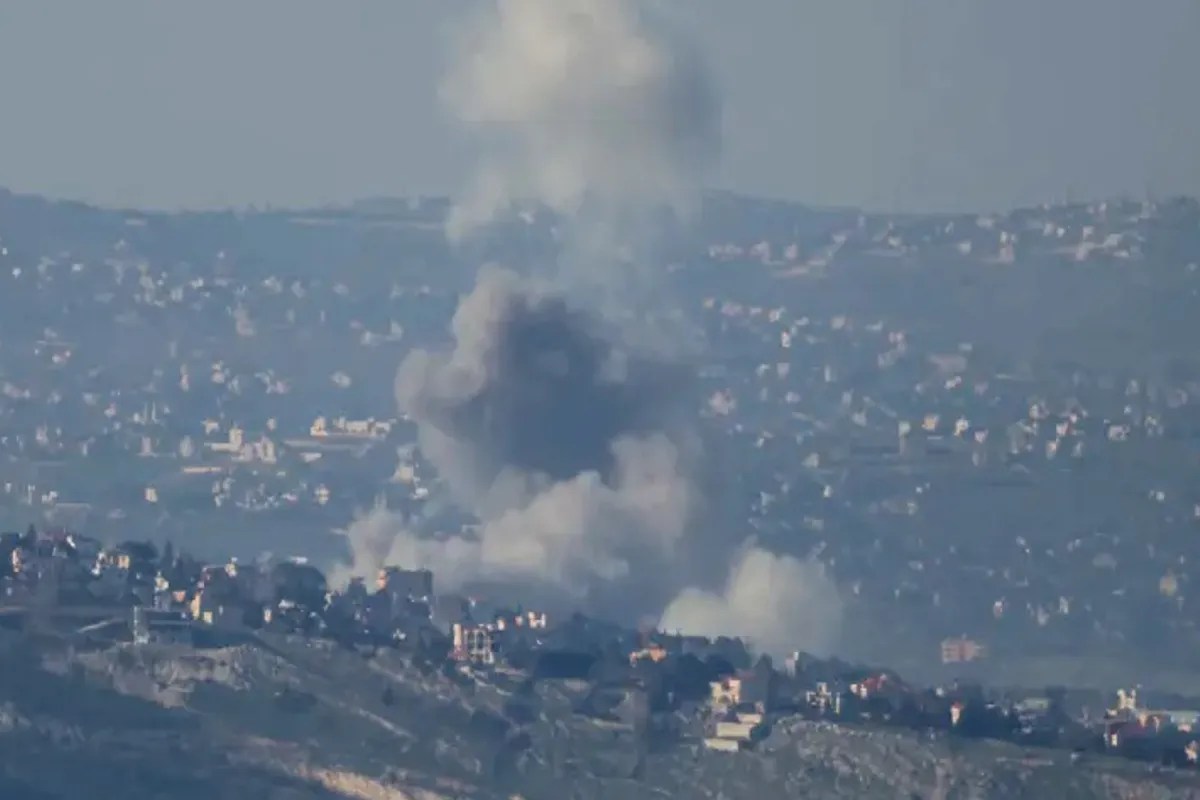
The current surge in kinetic activity across the Persian Gulf and the subsequent high-level alerts issued by United States diplomatic missions signify a transition from symbolic posturing to a functional blockade of regional stability. To understand the "Death Warrant" alerts and the underlying Iranian strikes, one must move beyond the sensationalism of "new attacks" and instead analyze the strategic architecture of Iranian regional doctrine. This involves a calculated interplay between non-state proxy deployment, anti-access/area denial (A2/AD) capabilities, and the psychological exploitation of Western risk-aversion.
The Triad of Iranian Kinetic Strategy
Iran’s operational logic in the Gulf is not chaotic. It functions through three distinct channels designed to achieve maximum disruption with minimum direct accountability.
- Asymmetric Attrition: The use of low-cost, high-impact technologies—primarily unmanned aerial vehicles (UAVs) and fast-attack craft—to harass commercial shipping and energy infrastructure. The cost-to-kill ratio favors Iran; a drone costing $20,000 can force a multi-billion dollar naval asset to expend a $2 million interceptor.
- Proxy Synchronization: The "Unity of Fronts" strategy, where actions in the Gulf are synchronized with maneuvers by the Houthis in Yemen and militias in Iraq and Syria. This forces the United States and its allies to thin their defensive resources across a massive geographical arc.
- Threshold Manipulation: Iran operates precisely below the "red line" of conventional war. By targeting "soft" assets or utilizing deniable actors, they aim to make the cost of a full-scale U.S. military response appear disproportionate to the international community.
Decoding the Death Warrant Alert
The term "Death Warrant" alert, as circulated in regional intelligence circles, is a colloquial designation for a specific tier of Emergency Action Plans (EAPs) triggered by the U.S. State Department. This is not merely a warning of generalized danger; it is a technical indicator that the threat level has surpassed the capacity of local host-nation security to guarantee the safety of diplomatic personnel.
The logic behind these alerts is rooted in credible signals of "active plotting." When an embassy issues a "Death Warrant" tier alert, it typically follows the interception of specific mission-oriented communications. The primary variables being tracked include:
- Pre-Operational Surveillance: The detection of hostile actors mapping embassy ingress and egress points.
- Logistical Indicators: The movement of specific munitions, such as short-range ballistic missiles (SRBMs) or loitering munitions, into strike range of protected sites.
- Political Timing: Strikes often align with regional anniversaries or diplomatic summits, used as leverage to influence ongoing negotiations or to project internal strength to a domestic audience.
The Cost Function of Regional Instability
The immediate impact of these attacks is measured in the "Risk Premium" applied to global energy markets. However, the deeper economic cost is structural. The Strait of Hormuz acts as a physical bottleneck where the flow of 21 million barrels of oil per day is subject to the "Hormuz Variable"—a mathematical representation of how much a 1% increase in security risk translates to a per-barrel price hike.
When Iran initiates attacks, it isn't just seeking to destroy physical property; it is seeking to alter the global cost function.
- Insurance Escalation: Hull war risk premiums for tankers in the Gulf can spike by 100% to 500% within 48 hours of a confirmed strike.
- Supply Chain Rerouting: Increased transit times around the Cape of Good Hope add weeks to delivery schedules, creating a secondary inflationary pressure on global manufacturing.
- Capital Flight: Persistent instability discourages Foreign Direct Investment (FDI) in Gulf Cooperation Council (GCC) states, hampering their long-term economic diversification efforts.
The Bottleneck of Western Deterrence
The United States faces a structural paradox in responding to these escalations. The primary constraint is the "Credibility-Restraint Dilemma." If the U.S. responds with overwhelming force, it risks a regional conflagration that could collapse the global economy. If it responds with measured "proportional" strikes, it reinforces the Iranian perception that the cost of aggression is manageable.
This creates a bottleneck in deterrence. Iranian planners have identified that the U.S. electoral cycle and internal political polarization limit the American appetite for a sustained campaign. Consequently, Iran uses "Pulse Escalation"—short, sharp bursts of violence followed by a return to the status quo—to fatigue Western decision-makers.
Tactical Realities of the New Gulf Conflict
Unlike the "Tanker War" of the 1980s, the current conflict is defined by precision and deniability.
- Electronic Warfare (EW) Displacement: Iran has integrated sophisticated GPS jamming and spoofing capabilities. Commercial vessels are often led into Iranian territorial waters through false signal injection before being seized.
- The Swarm Logic: The IRGC Navy (IRGCN) utilizes "swarm tactics," employing dozens of small, armed boats to overwhelm the targeting systems of larger Western destroyers. This is a deliberate attempt to exploit the "Saturation Point" of Aegis-style combat systems.
- Subsurface Threats: The introduction of unmanned underwater vehicles (UUVs) represents the newest layer of the threat. These assets are significantly harder to detect than surface drones and are designed to target the vulnerable rudders and propulsion systems of supertankers.
Regional Realignment and the Security Vacuum
The diplomatic alerts are a symptom of a larger shift in the regional security architecture. Gulf nations, sensing a potential American pivot toward the Indo-Pacific, have begun a dual-track strategy. They are simultaneously bolstering their own indigenous defense capabilities while engaging in cautious de-escalation talks with Tehran.
This creates a "Security Vacuum" where non-state actors feel empowered to test the limits of international law. The lack of a clear, unified maritime security framework that includes all regional players—not just Western allies—allows Iran to exploit the legal and operational gaps between different jurisdictions.
The Structural Limits of Modern Diplomacy
Diplomacy in this context is frequently hampered by a lack of "Direct Channels." Most communication between Washington and Tehran occurs through intermediaries (like Switzerland or Oman), which introduces a "Signal-to-Noise" latency. In a high-speed kinetic environment, a 12-hour delay in clarification can be the difference between a minor skirmish and a full-scale missile exchange.
Furthermore, the efficacy of sanctions as a deterrent has reached a point of diminishing returns. The Iranian economy has developed a "Resistance Economy" framework, characterized by sophisticated smuggling networks and oil sales to shadow markets. When traditional economic levers fail, the only remaining variables are military or cyber.
The Final Strategic Calculation
The trajectory of the current escalation suggests that the Persian Gulf has entered a "Permacrisis" state. The Iranian objective is to normalize a higher baseline of tension, effectively forcing the international community to accept their regional hegemony as the price of "peace."
The strategic response requires moving beyond reactive alerts. To break the cycle of escalation, a shift toward "Integrated Deterrence" is necessary. This involves:
- Automated Maritime Hardening: Implementing AI-driven surveillance on commercial vessels that can identify and neutralize small-boat threats or spoofing attempts in real-time.
- Economic Counter-Insurgency: Specifically targeting the financial nodes that fund the "shadow fleet" used for Iranian oil exports, rather than broad-based sectoral sanctions.
- Kinetic Proportionality Redefined: Shifting from striking proxy launch sites to targeting the high-value logistical hubs that enable those proxies, thereby increasing the internal political cost for the Iranian leadership.
The immediate outlook remains volatile. Until the fundamental cost-benefit analysis of Iranian planners is altered through a credible and consistent imposition of consequences, the cycle of "Death Warrant" alerts and kinetic strikes will remain the operational norm for the foreseeable future.