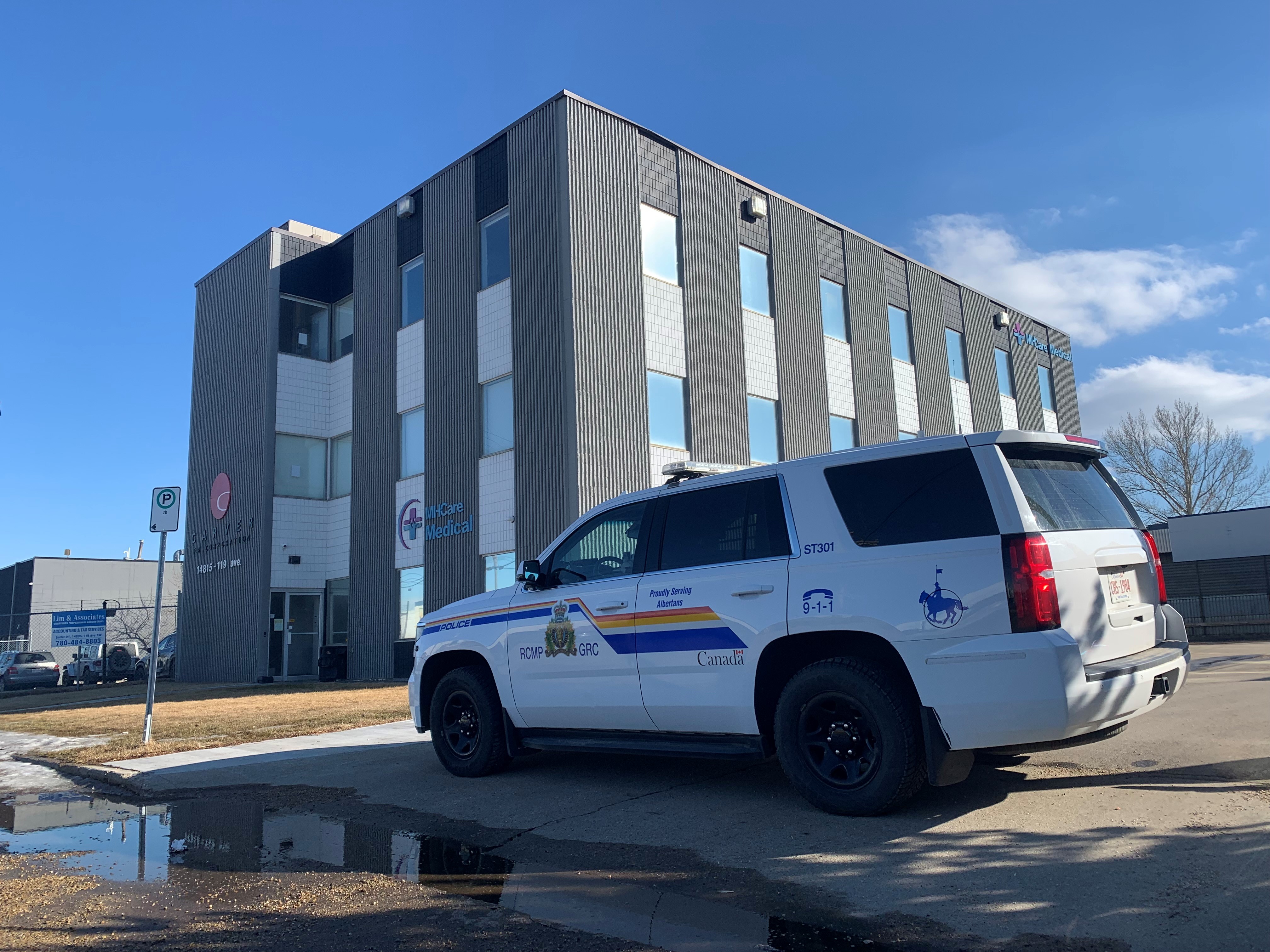
The RCMP just knocked on the door of MHCare Medical, and they didn't come for a friendly chat. This isn't just another corporate audit. It's a full-blown escalation of an investigation into allegations of bribery, backroom deals, and the kind of "pay-to-play" culture that makes taxpayers' blood boil. If you've been following the breadcrumbs of the Alberta health corruption probe, this search warrant is the smoking gun many expected but few thought would arrive so soon.
We're talking about a company that surged to prominence during the height of the pandemic. They were the ones getting the big contracts for masks, gloves, and medical gear when the world was desperate. But as the dust settles, the question shifts from "did they deliver?" to "how did they get the contract in the first place?"
The Mounties aren't known for raiding offices on a whim. To get a judge to sign off on a search of this magnitude, the RCMP’s Sensitive and International Investigations unit had to show there was reasonable ground to believe a crime was committed. This moves the needle from "eyebrow-raising coincidence" to "criminal investigation."
What we know about the MHCare search and the Alberta link
The raid on MHCare’s Edmonton headquarters connects directly to a broader web of influence-peddling allegations. For months, whispers of a "vendor-favored" system within Alberta’s health procurement circles have been growing louder. Specifically, investigators are looking at whether high-ranking officials or consultants with ties to the government received kickbacks or "incentives" to ensure MHCare stayed at the top of the pile.
It’s about the money, obviously. But it’s also about the timing. During the COVID-19 emergency, standard bidding rules were tossed out the window. It was a "get it done at any cost" environment. That’s exactly where corruption hides best. When oversight is branded as "red tape" that hinders a crisis response, the sharks start circling. MHCare became a primary supplier of Personal Protective Equipment (PPE) to the province, raking in tens of millions of dollars.
The RCMP is reportedly looking for digital records, financial ledgers, and communication logs between MHCare executives and specific individuals who acted as "bridge-builders" to the provincial government. They want to see if the success of this company was based on merit or on who they were taking to lunch—or worse, who they were sending e-transfers to.
The problem with emergency procurement
Let’s be real. Procurement is usually boring. It’s spreadsheets and technical specs. But when you bypass the competitive bidding process, you create a vacuum. In Alberta, the sheer volume of cash flowing through Alberta Health Services (AHS) during the pandemic was staggering.
MHCare wasn’t just a vendor; they were the vendor. They even partnered with high-profile figures, including some with professional sports backgrounds, to boost their image. It looked like a Canadian success story. Now, it looks like a case study in why we need more eyes on the books, not fewer.
The investigation isn't just about MHCare. It involves several other entities and individuals who allegedly helped grease the wheels. The RCMP is trying to map out a "tapestry"—wait, let's call it a messy web—of transactions that don't make sense on paper. Why would a medical supply company pay "consulting fees" to people with zero medical background but deep political connections? You don't need a law degree to see the red flags there.
Why this probe matters for every Albertan
You might think this is just white-collar crime that doesn't affect your daily life. You'd be wrong. Every dollar that goes toward a marked-up contract or a "finder’s fee" for a corrupt middleman is a dollar taken away from actual healthcare. It’s a nurse’s salary. It’s a new MRI machine. It’s shorter wait times in the ER.
When corruption seeps into health procurement, quality often takes a backseat to profit margins. We saw this during the pandemic with subpar masks and faulty testing kits across the country. While there’s no specific allegation yet that MHCare’s products were faulty, the process matters. If the process is rigged, we lose the guarantee of value for money.
The RCMP’s involvement suggests this goes beyond simple provincial policy violations. They are looking at the Criminal Code. Specifically, Section 121, which deals with "frauds on the government." This covers anyone who gives or offers a commission or reward to an official in exchange for a benefit. It carries heavy prison time.
Tracking the money trail
The investigators are focusing on the flow of funds from MHCare to various shell companies or "consulting" firms. This is classic forensic accounting stuff. They follow the wire transfers, look at the dates, and cross-reference them with when major contracts were awarded.
- The timing of the contracts: Did the awards happen immediately after a "consulting" payment?
- The volume of the gear: Was the province buying more than it needed just to keep the revenue flowing to a preferred partner?
- The internal communications: Emails and texts often reveal the "wink and a nod" culture that defines these deals.
It's messy. It's complicated. And it’s likely going to take years to fully untangle. But the fact that the RCMP felt they had enough evidence to kick in the doors at MHCare suggests they’ve already found a significant thread to pull.
What happens to MHCare now
The company is currently in a state of "cooperative" defense. Usually, when a raid happens, the corporate lawyers issue a statement about how they’re helping the authorities and are confident they did nothing wrong. But behind the scenes, it’s panic. Clients start looking for the exit. Bank credit lines get tightened. The brand is effectively radioactive.
The owner of MHCare, Sam Mraiche, has been a prominent figure in the Edmonton business community. His reputation—and the future of his company—now rests on whether these "consultants" were actually providing a service or just acting as a conduit for bribes.
In Alberta, the political stakes are just as high. The government needs to distance itself from this quickly, but that’s hard to do when the contracts were signed under their watch. Expect a lot of finger-pointing between the current administration and the bureaucratic leadership of AHS.
The immediate fallout and next steps
This isn't the end. It's the beginning of the end. Now that the RCMP has the hard drives and the ledgers, they’ll spend months going through the data. We should expect more search warrants at other locations, possibly even private residences.
If you're a business owner or a taxpayer in Alberta, this is a wake-up call. The "wild west" era of pandemic spending is over. The accountability phase has started.
If you want to stay ahead of this, keep an eye on the court filings for the "Information to Obtain" (ITO) documents related to this search. These documents, once unsealed, will contain the specific allegations the RCMP used to get the warrant. That’s where the real dirt is. Don't wait for the official press release; the court records are where the truth usually lives. Watch for names of former AHS executives and political staffers. If those names start appearing in the ITOs, the scale of this scandal will double overnight. Stay skeptical of any "emergency" contract that doesn't have a clear, competitive paper trail.