The vibration of a smartphone on a nightstand in Kochi doesn’t sound like a crisis. It sounds like a buzzing insect. But for Anjali, whose husband is a junior engineer in a suburb of Tel Aviv, that low-frequency hum at 3:00 AM is the difference between a breath and a chokehold. She doesn't check the news first. She checks their private chat. One blue tick? He’s asleep or the power is out. Two blue ticks? He’s alive.
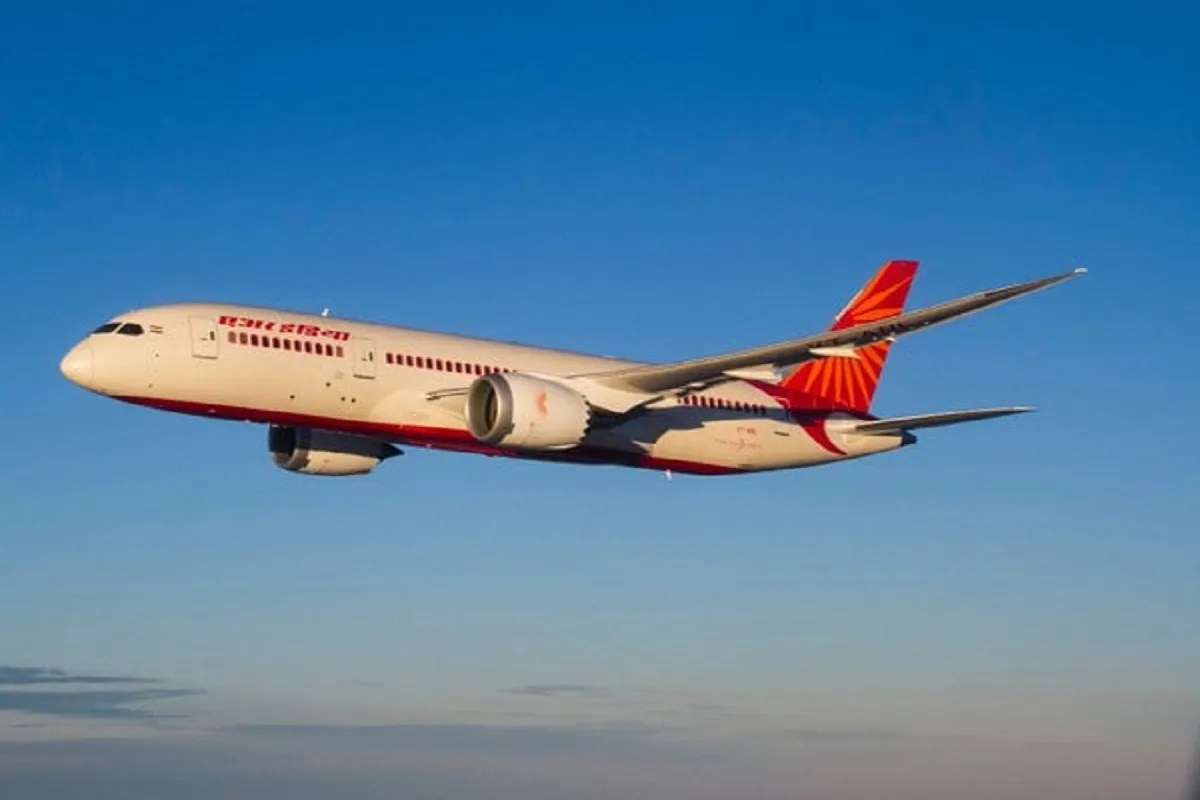
This is the invisible geometry of the West Asia crisis. It isn't just about troop movements, missile interceptors, or the cold logistics of "Air India Flight AI140." It is a story of thousands of Indian families mapped across a geography currently defined by sirens and iron domes.
When the sky over the Levant turns into a grid of fire, the Indian government’s response isn't just a "rescue plan." It is a massive, grinding machine of diplomacy and steel that attempts to bridge the gap between a war zone and a living room in Kerala or Punjab.
The Calculus of the Departure Gate
Evacuation is a deceptive word. It suggests a neat, orderly line. The reality is a frantic prioritization of human lives against a ticking clock. As the conflict in West Asia escalated, the Indian Ministry of External Affairs (MEA) moved from "advisory" mode to "operational" mode. This shift is subtle but heavy.
Consider the logistical nightmare of Ben Gurion Airport. It remains one of the few umbilical cords connecting the region to the outside world, but its operation depends entirely on the grace of air defense systems. For the Indian government, the challenge isn't just sending a plane; it’s ensuring that the plane can land, load, and depart before the next barrage begins.
The strategy, often referred to under various mission names like "Operation Ajay," relies on a tiered approach.
- The Registration Phase: Every Indian citizen—from the high-tech worker in Haifa to the caregiver in Jerusalem—must be accounted for through an online portal. This is the government's "Master Manifest."
- The Charter Response: When commercial airlines suspend flights, the government steps in to charter special aircraft.
- The Naval Backup: If the skies become completely impassable, the contingency shifts to the sea, utilizing Indian Naval vessels stationed in the Arabian Sea or the Persian Gulf.
But these are just the mechanics. The real friction happens on the ground.
A Hypothetical Walk Through the Green Zone
Imagine a man named Rajesh. He has worked in a construction firm near the border for six years. He has two suitcases. One is filled with clothes he’s willing to leave behind. The other contains his passport, his contract, and a small brass lamp his mother gave him.
Rajesh receives an SMS from the Indian Embassy. It tells him to gather at a specific transit point in four hours. He has to decide what of his life fits into a 20-kilogram limit. He looks at his apartment—a place that represented his upward mobility—and realizes it is now just a target.
The journey to the airport is a gauntlet of checkpoints and anxiety. Every time a siren wails, the bus stops. The passengers—nurses from Mangalore, students from Delhi, laborers from Bihar—lean away from the windows. They aren't thinking about the "geopolitics of the Middle East." They are thinking about whether the flight manifest has their name spelled correctly.
The Indian government’s "Rescue Plan" is often criticized for its pace, but the delay is usually born of a harrowing negotiation. To fly a wide-body jet into a conflict zone, the MEA must coordinate with the host country’s military, the opposing forces’ intelligence, and international air traffic controllers. It is a high-stakes game of "Red Light, Green Light" played with three hundred lives at a time.
The Cost of the Ticket Home
There is a persistent myth that these evacuations are "seamless." They are not. They are sweaty, loud, and filled with the smell of recycled air and fear. When the wheels finally leave the tarmac, there is no cheering. There is usually a profound, heavy silence.
The return flights typically land in the dead of night at Hindon Airbase or Delhi’s IGI Airport. The passengers step out into the humid Indian air, greeted by cameras and officials. For the news cameras, it’s a victory of statecraft. For the returnees, it’s the beginning of a different crisis: the loss of a livelihood.
Most of these workers sent 80% of their earnings home. The "West Asia Crisis" isn't just a threat to their physical safety; it’s a demolition of their financial future. The government’s plan focuses on the immediate—the "now"—but the "later" is a void. Once they are back in their villages, the sirens are gone, but the debt remains.
The Mechanics of the "Special Flights"
To understand the scale, one must look at the numbers that usually stay hidden in the fine print of ministry press releases.
- The Fleet: A mix of Air India, Indigo, and occasionally the C-17 Globemasters of the Indian Air Force.
- The Frequency: During peak escalation, the goal is two to three flights every 48 hours.
- The Coordination: A 24-hour control room in New Delhi that monitors every "pings" from the embassy’s WhatsApp helplines.
Wait times at the embassy are the hardest part. Imagine standing in a courtyard with a thousand other people, watching the sky. You hear that a flight is coming, but you don't know if you are on the list. The embassy staff—often overlooked—are working on three hours of sleep, trying to verify documents that might have been lost in a bombed-out building.
Trust in these moments is a fragile thing. The government must project a sense of "Robust Control" (to use a term they love), but the reality is that they are at the mercy of a hundred variables they cannot control. A single errant drone can cancel an entire day’s operations.
Why This Time Feels Different
In previous decades, the "Middle East" was a place where Indians went to build cities and then came home. Now, the Indian diaspora is more integrated into the tech and healthcare sectors of countries like Israel. The stakes have shifted from "laborers in camps" to "professionals in cities."
This means the evacuation is no longer just about moving bodies; it’s about managing a sophisticated, digital-savvy population that is live-tweeting their fear. When a student in a bunker in Tel Aviv goes viral, the pressure on New Delhi doubles. The government is no longer just fighting the war; they are fighting the algorithm of public panic.
The "Rescue Plan" has had to become more transparent. We see the lists of flight numbers posted on social media. We see the "Help Desks" at the airports. But the core of the operation remains an old-fashioned exercise in diplomatic muscle. India’s ability to talk to all sides of the conflict—from Tehran to Tel Aviv—is the only reason these planes are allowed to fly at all.
The Weight of the Wait
Back in Kochi, Anjali finally sees the two blue ticks. Then, a voice note follows. It’s the sound of wind and a distant, muffled boom. "I’m at the gate," her husband says. "They told us the plane is on the way."
She doesn't put the phone down. She holds it to her chest. She won't believe the "Rescue Plan" is a success until she hears the specific jingle of his keys against the front door.
Until then, the crisis isn't a headline or a geopolitical shift. It is a 4.7-inch screen, a dwindling battery percentage, and the hope that a government thousands of miles away has remembered a name on a list.
The planes will keep landing. The ministers will keep shaking hands. The news will move on to the next flashpoint. But for the thousands of Rajeshes and Anjalis, the war doesn't end when the flight touches down in Delhi. It ends only when the sound of the siren is finally replaced by the mundane, beautiful noise of a quiet Indian morning.
The last flight out is never really the last. There is always someone left behind, someone who decided to stay, and someone who is already planning how to go back once the smoke clears. The cycle of migration and peril is a permanent feature of the Indian experience, a story written in passport stamps and midnight phone calls.