Stop calling them accidents.
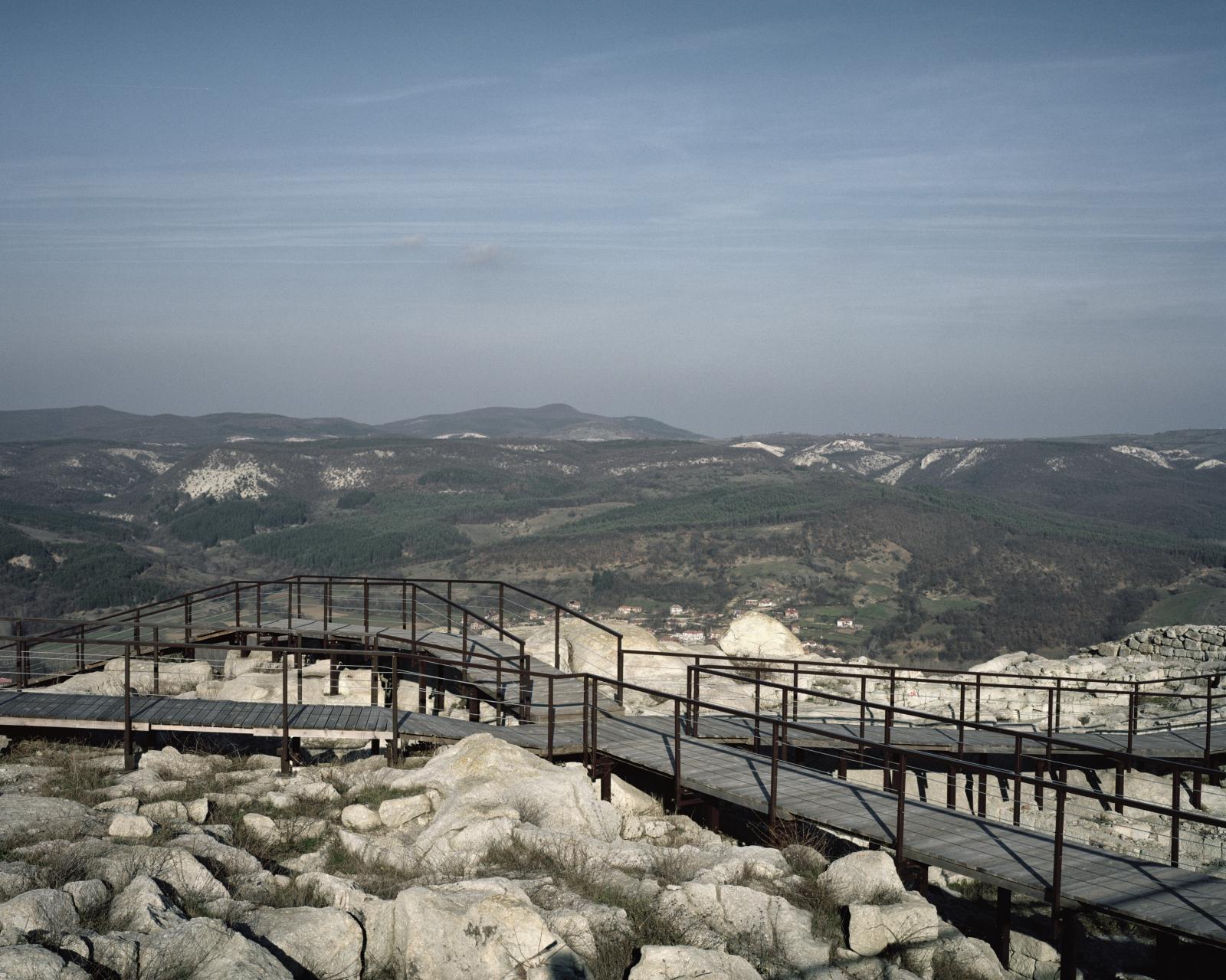
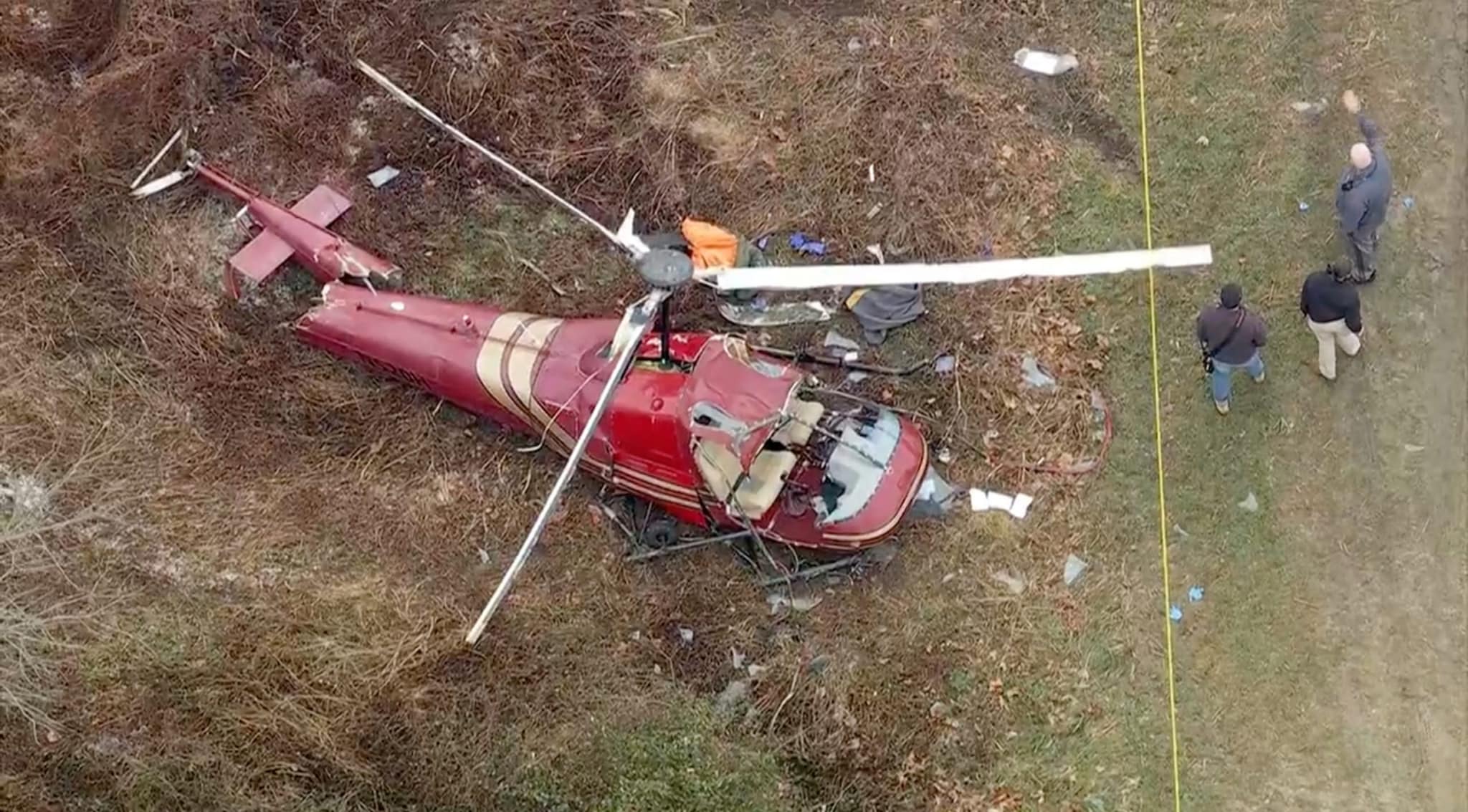
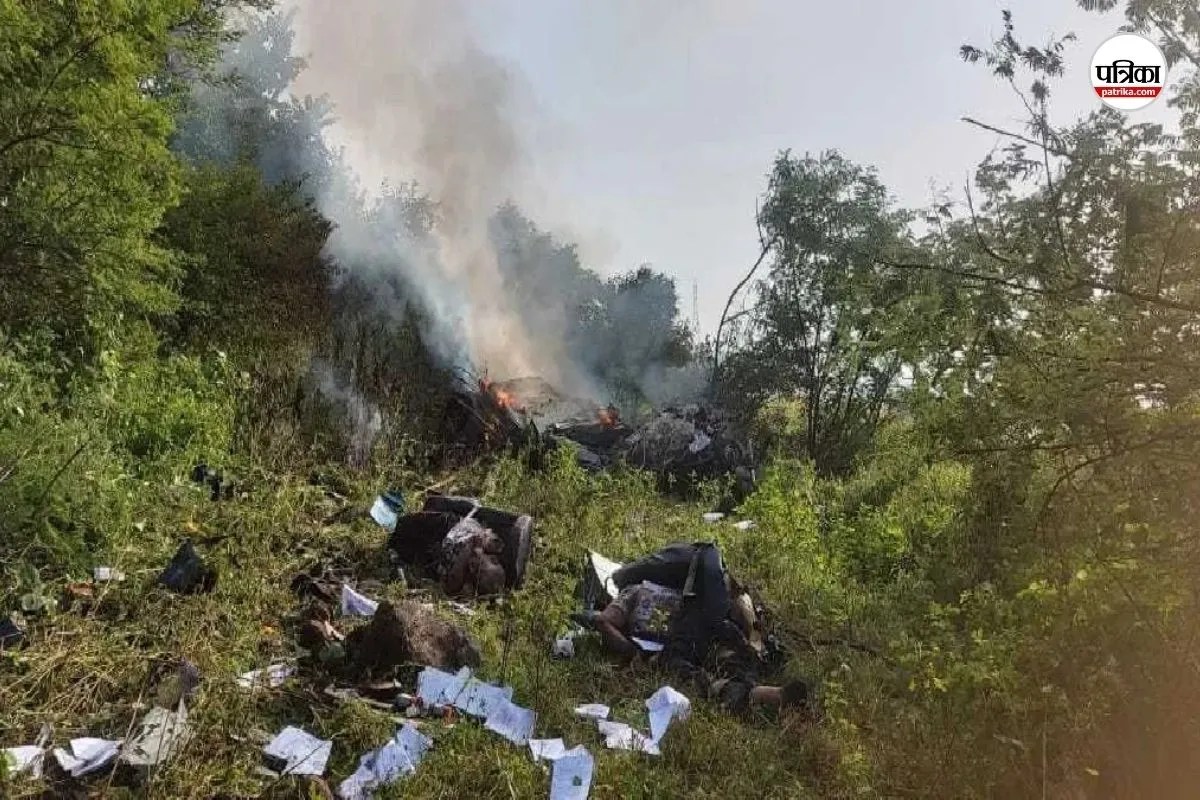
When a helicopter slams into a hillside in Khotang or vanishes near the Everest massif, the international media rushes to blame "notorious weather" or "treacherous terrain." It is a convenient lie. It protects the industry, soothes the tourists, and keeps the insurance premiums from hitting the stratosphere.
The truth is colder. These crashes are the logical, mathematical conclusion of a business model built on razor-thin margins and a culture of calculated risk that has finally run out of luck.
The Myth of the Unpredictable Mountain
The standard narrative suggests that Nepal’s geography is an unconquerable beast. They point to the "sudden" shifts in wind and the "unforeseen" clouds.
Nonsense.
I have spent a decade watching flight manifests and maintenance logs in the South Asian aviation sector. The mountains haven't moved in millions of years. The weather patterns, while complex, are documented with obsessive detail by meteorologists.
A crash in Khotang isn't a failure of geography. It is a failure of Aeronautical Decision Making (ADM).
In professional aviation, there is a concept called the "Error Chain." It is rarely one big mistake. It is a series of small, seemingly insignificant choices.
- Choosing to fly a "quick" rescue mission during a marginal weather window.
- Ignoring a slight vibration in the tail rotor because the parts are stuck in customs.
- A pilot, exhausted from six back-to-back shuttle flights, deciding to "push through" the fog to hit a daily revenue target.
When the helicopter hits the ground, we blame the fog. We should be blaming the spreadsheet that demanded that sixth flight.
The High Altitude Revenue Trap
Nepal’s domestic aviation industry operates on a "feast or famine" cycle. During the peak trekking seasons, helicopters are literal printing presses for money. A single 15-minute rescue flight can cost a trekker—or their insurance company—between $2,500 and $5,000.
This creates a perverse incentive.
If a pilot says "no" to a flight due to safety concerns, that money doesn't just wait. It goes to the competitor across the tarmac who is willing to take the risk. I’ve seen operators pressure young pilots, fresh from training in Europe or the US, to fly in conditions that would see an aircraft grounded anywhere else on earth.
We call this Normalization of Deviance.
It’s a term coined by sociologist Diane Vaughan. It describes the process where people become so accustomed to a risky behavior that they no longer see it as a risk. In Nepal, flying through "a little bit of cloud" becomes the standard. Until it isn’t.
The Maintenance Shell Game
Let’s talk about the hardware. The Eurocopter AS350 (now the Airbus H125) is a workhorse. It is a brilliant piece of engineering. But even a Ferrari becomes a coffin if you don’t change the oil.
Maintenance in high-altitude environments is not a suggestion; it is a survival requirement. The air is thin. The engines work harder. Every component experiences stress that a flatland helicopter will never know.
Yet, the supply chain for genuine parts in Kathmandu is a nightmare of bureaucracy and cost.
- The "Paperwork" Solution: Often, parts are "timed out" but signed off as airworthy to keep the bird in the air for just one more week of peak season.
- The Cannibalization Strategy: Taking a bolt from a grounded bird to fix an active one. It works until you lose track of which bolt has how many hours on it.
When you read about a crash in a remote district like Khotang, don’t look at the clouds. Look at the maintenance log. If it’s too clean to be true, it probably is.
The "Rescue" Industrial Complex
There is a dirty secret in the Himalayan sky: The Fake Rescue Scam.
For years, a localized industry of trekking agencies, hospitals, and helicopter operators conspired to trigger unnecessary evacuations. They would see a trekker with a mild headache and convince them they had life-threatening High Altitude Pulmonary Edema (HAPE).
Why? Because the insurance payout was a goldmine.
While the government has supposedly "cracked down" on this, the DNA of the industry hasn't changed. The culture remains one of "fly at all costs." When you treat a helicopter like an Uber with rotors, you strip away the solemnity of flight safety. You begin to treat the machine with contempt.
The machine always wins that fight.
Stop Asking if it's Safe
People always ask, "Is it safe to fly in Nepal?"
It’s the wrong question. It’s like asking if it’s safe to play Russian Roulette. The mechanics of the gun are fine. The "safety" depends entirely on how many chambers are loaded and who is pulling the trigger.
The reality is that Nepal has some of the most skilled pilots in the world. They have to be. But skill is not a substitute for a safety culture. Skill cannot overcome a lack of spare parts. Skill cannot see through a mountain hidden by a cloud that the pilot was pressured to fly into.
The Price of Silence
The reason these crashes keep happening is that there is no accountability.
After every incident, a commission is formed. They meet in a dusty office in Kathmandu. They produce a report six months later that blames "pilot error" or "weather." They never blame the owner of the airline who threatened to fire the pilot if he didn't make the pickup. They never blame the insurance companies that fail to audit the operators they bankroll.
If we want to stop the dying, we have to stop the lying.
We have to admit that the current model of Himalayan aviation is built on the exploitation of both man and machine. It is a system that views a crashed helicopter as a "cost of doing business" rather than a preventable tragedy.
What You Should Actually Do
If you find yourself in Nepal, staring at a helicopter that is supposed to take you into the mountains, do not look at the pilot’s medals. Look at the aircraft.
- Is the paint peeling?
- Are there fluid leaks on the tarmac?
- Does the pilot look like he hasn't slept in 48 hours?
Most importantly, listen to the radio. If the operator is screaming at the pilot to move faster, get out. Walk. The mountains are beautiful, but they are indifferent to your schedule.
The next time you see a headline about a crash in Khotang, don't shake your head at the "dangerous" mountains. Direct your anger at the boardroom.
The mountains didn't kill those people. The margins did.
Ground the fleet until the logs are honest. Fire the owners who prioritize the payout over the pilot. Until then, every flight is just a coin toss with a very expensive coin.