The headlines are screaming again. Smoke in the Strait of Hormuz. Missiles exchanged. The inevitable "Oil Prices Surge" alerts hitting every terminal on Wall Street.
The media loves a good fire in the Persian Gulf because it fits a tired, decades-old script: Iran twitches, the world’s jugular gets squeezed, and you pay five dollars a gallon. It is a lazy narrative fed to you by analysts who haven't updated their mental models since the 1973 oil embargo.
Here is the reality that no one wants to admit: The Strait of Hormuz is becoming a geopolitical sideshow. If you are buying the "supply crunch" myth every time a patrol boat fires a warning shot, you aren't just wrong. You are the liquidity that smarter players are trading against.
The Myth of the Hormuz Chokepoint
Every time tensions flare, we hear the same statistic: 20% of the world’s oil passes through that narrow strip of water. It sounds terrifying. It is also a gross oversimplification.
First, let’s talk about where that oil is actually going. It isn't going to the United States. Thanks to the Permian Basin and the shale revolution, the U.S. is the world’s largest producer of crude. The oil moving through Hormuz is largely headed to Asia—specifically China, India, Japan, and South Korea.
When the price of Brent or WTI spikes because of a skirmish in the Middle East, you are watching a psychological reaction, not a physical shortage. We have more than enough "shut-in" capacity and strategic reserves to handle a temporary disruption. The market prices in a total, permanent closure of the Strait, which is an event with a statistical probability approaching zero.
Why? Because Iran needs that water open more than anyone else. They are not suicidal. Closing the Strait would starve their own economy and invite a level of kinetic response from the global community that would end the current regime in weeks. They play a game of "calibrated escalation." They poke the bear to get leverage at the negotiating table. They don't kill the bear.
The Inventory Buffer Nobody Mentions
Wall Street analysts love to ignore the massive "floating storage" and the global inventory overhang when there is a war to sell.
In a true supply-demand model, prices should only move when there is a physical deficit. Today, we have a massive buffer. Between the U.S. Strategic Petroleum Reserve (SPR)—which, despite recent drawdowns, still holds hundreds of millions of barrels—and the commercial inventories held by OECD nations, a two-week skirmish in the Gulf is a rounding error.
Furthermore, we now have redundant infrastructure that didn't exist twenty years ago. Saudi Arabia’s East-West Pipeline and the Abu Dhabi Crude Oil Pipeline (ADCOP) can bypass Hormuz entirely, moving millions of barrels per day directly to the Red Sea or the Gulf of Oman.
The "Hormuz Premium" is a tax on the uninformed.
Why the Price Spike is Actually a Sell Signal
I have spent years watching trading desks react to Middle Eastern kinetic events. The pattern is always the same.
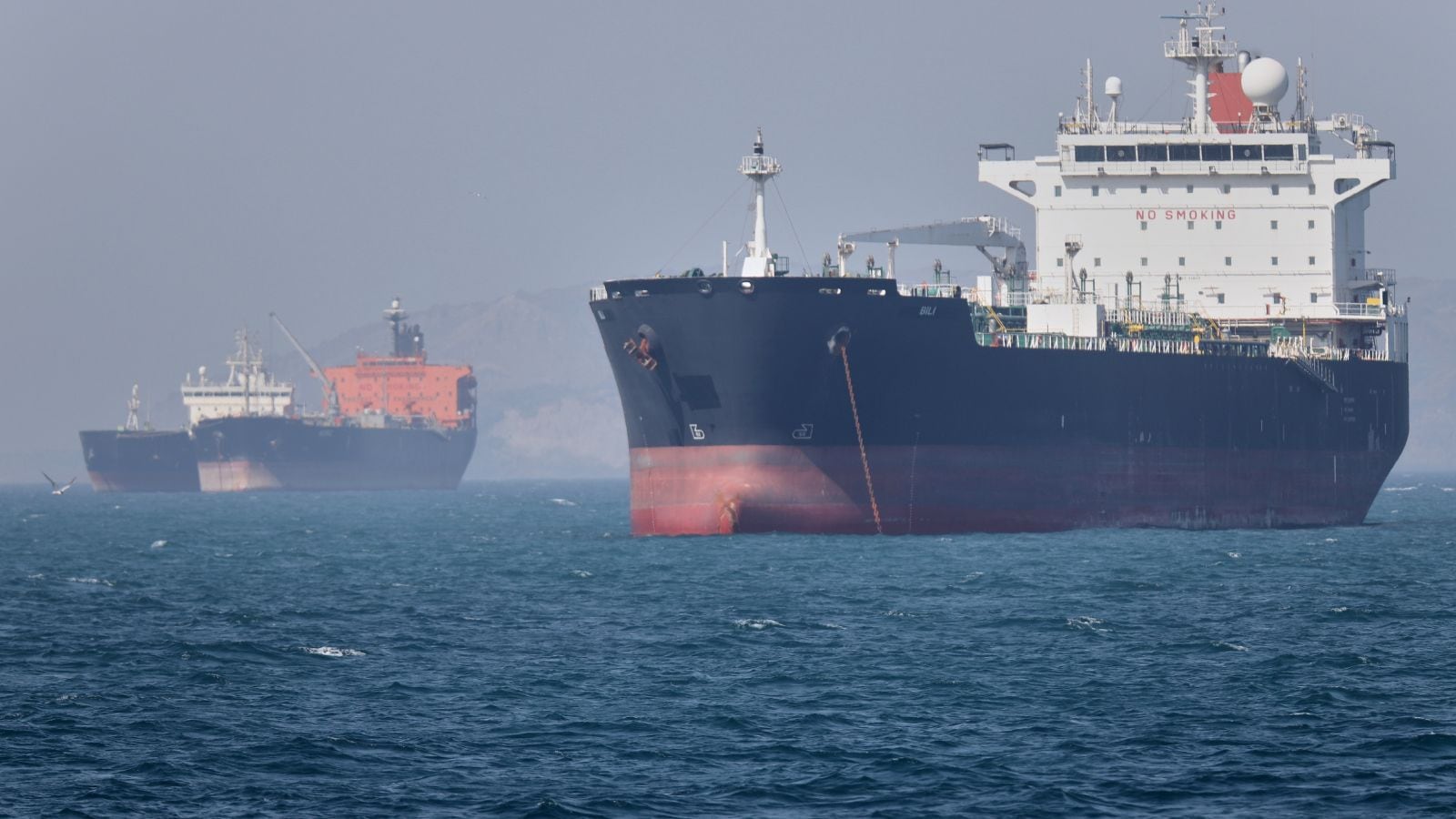
- The Event: A tanker is harassed or a drone is downed.
- The Reaction: Algorithm-driven buying pushes crude up 3% to 5% in hours.
- The Narrative: Pundits appear on TV talking about "World War III" and "$150 oil."
- The Reality: The physical barrels keep moving. The insurance rates for tankers go up, but the flow doesn't stop.
- The Mean Reversion: Within 72 hours, the price fades as traders realize the world isn't ending.
If you are retail-trading this, you are the exit strategy for the hedge funds who bought the rumor days ago. The "fear bid" is the most telegraphed trade in the commodity space. It is also the most fragile.
True price discovery happens in the refineries of East Asia and the fracking pads of West Texas, not on a choppy video feed from a drone over the Persian Gulf.
The Death of the Petrodollar Panic
For years, the contrarian take was that any conflict in the Gulf would destroy the dollar's dominance and send oil into the stratosphere. That theory is dying a slow, painful death.
Even with the rise of the BRICS nations and talk of "petroyuan," the global oil market is still fundamentally anchored by Western financial institutions. When the shooting starts, capital doesn't flee to the rial or the ruble. It flees to the U.S. Treasury.
This creates a paradoxical effect: Geopolitical instability in the Middle East often strengthens the U.S. Dollar. Since oil is priced in dollars globally, a stronger greenback actually exerts downward pressure on the price of crude over the medium term. The very conflict people think will send oil to the moon actually triggers a currency mechanic that keeps it grounded.
The Real Threat is Not Missiles
If you want to worry about something, stop looking at the Strait of Hormuz and start looking at the capital expenditure (CAPEX) cycles of major energy firms.
The real "oil shock" won't come from a torpedo. It will come from the chronic underinvestment in long-cycle upstream projects over the last decade. We have spent so much time obsessing over the "energy transition" and ESG mandates that we have ignored the basic math of depletion.
Existing wells deplete at a rate of roughly 5% to 7% per year. To stay flat, the industry has to find the equivalent of a new Saudi Arabia every few years. We aren't doing that.
The Hormuz skirmishes are a distraction. They create "volatility," which is great for brokers, but they don't change the structural reality of the market. The danger isn't that the oil will be blocked; the danger is that one day, we simply won't have enough of it to meet the base demand of a developing world that doesn't care about your carbon offset credits.
How to Actually Play the Middle East Volatility
Stop buying oil futures on the news. It’s a loser’s game.
Instead, look at the spread between the front-month and the six-month contracts (the "curve"). When a geopolitical event happens, the front of the curve spikes (backwardation). This is the market's way of saying "we need oil now because we're scared."
If you see a massive spike in the front month but the long-dated contracts aren't moving, the "smart money" is telling you this is a temporary blip. They aren't betting on a long-term supply disruption. They are betting on your panic.
Actionable advice for the weary investor:
- Ignore the "Breaking News" banners. If it’s on the crawl at the bottom of the screen, the trade is already over.
- Watch the tankers. Use satellite tracking data. If the ships are still moving, the price increase is purely speculative.
- Focus on the Permian. The real power shift hasn't been from Tehran to Washington; it's been from the Middle East to the American Southwest.
The next time you see a headline about "Rising Tensions in the Gulf," take a breath. Check your bias. Recognize that you are being sold a story designed to trigger an emotional response.
The Strait of Hormuz is a theatrical stage. The actors know their lines, the pyrotechnics are well-placed, and the audience always pays for the tickets.
Don't be the one paying for the show. Be the one owning the theater.
The era of oil-led global collapses triggered by a few speedboats is over. The world has moved on, even if the news cycle hasn't. Stop trading like it's 1979.