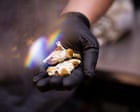
Clinical researchers are quietly closing in on a medical breakthrough that could upend addiction medicine. Recent clinical trial data reveals that psilocybin, the active psychedelic compound found in magic mushrooms, significantly reduces cravings and prevents relapse in individuals suffering from severe cocaine use disorder. For decades, public health officials have faced a brutal reality. There are currently zero FDA-approved medications to treat cocaine dependency. While opioid addiction can be managed with therapeutic substitutes like methadone or buprenorphine, clinicians treating cocaine addiction have been forced to rely almost entirely on behavioral therapy. The introduction of a biological intervention could fundamentally alter the trajectory of substance abuse treatment.
But the path from laboratory success to frontline medical deployment is fraught with regulatory hurdles, corporate disinterest, and a medical infrastructure designed for daily maintenance pharmaceuticals rather than episodic, transformative treatments. Also making waves in this space: Inside the Ebola Rescue Mission the Government Tried to Keep Quiet.
The Biological Hardwiring of Stimulant Dependency
To understand why traditional medicine has failed so spectacularly to treat cocaine addiction, one must examine what happens inside the human striatum. Cocaine floods the brain with dopamine by blocking the transporters responsible for reabsorbing this reward neurotransmitter. The brain adapts quickly. It blunts its own dopamine production and strips away receptors. The result is a profound state of anhedonia, where the individual becomes biologically incapable of experiencing pleasure from normal daily activities.
The craving is not a failure of will. It is a neurological survival signal. More information on this are detailed by Mayo Clinic.
Most pharmaceutical interventions fail because they attempt to simply mimic or block this dopamine surge. Psilocybin operates on an entirely different neurological network. It bypasses the dopamine reward pathway almost entirely, targeting the serotonin 5-HT2A receptors instead.
When psilocybin binds to these receptors, it temporarily deactivates the Default Mode Network, the interconnected brain regions responsible for self-reflection, rumination, and deeply ingrained habits. In a brain locked in the rigid, repetitive patterns of addiction, this chemical intervention acts like a fresh snowfall on a mountain covered in deeply rutted ski tracks. The old, destructive neural pathways are temporarily obscured, allowing the brain to forge entirely new functional connections.
The Economic Irony of Psychedelic Medicine
If the clinical data is so promising, a fundamental question arises. Why aren't major pharmaceutical conglomerates pouring billions into accelerating these trials? The answer lies in the cold logic of modern corporate finance.
The traditional pharmaceutical business model relies on chronic administration. A pill taken every morning for decades represents a highly predictable, highly profitable revenue stream. Statins, blood pressure medications, and traditional antidepressants are financial goldmines because they manage symptoms rather than curing the underlying pathology.
Psilocybin therapy presents the exact inverse of this model.
- Low Frequency Use: A patient might undergo only two or three high-dose sessions over the course of their entire treatment cycle.
- Non-Patentable Compounds: Psilocybin is a naturally occurring compound. While specific synthetic formulations or delivery methods can be patented, the molecule itself cannot be monopolized in the way a novel synthetic drug can.
- High Labor Intensity: The treatment requires hours of specialized psychological supervision before, during, and after the drug administration.
This creates a bizarre market paradox. The very efficiency of the treatment makes it a poor investment for traditional venture capital and pharmaceutical firms. Consequently, the burden of funding has fallen on philanthropic organizations, non-profits, and small, specialized biotechnology startups operating on shoestring budgets relative to industry giants.
The Invisible Gatekeepers of the Treatment Room
Even if clinical efficacy is undeniably proven, the existing healthcare infrastructure is fundamentally unequipped to deliver this therapy at scale. A standard medical clinic is built around fifteen-minute consultations and pharmacy prescriptions.
A single psilocybin session requires an environment completely isolated from the standard chaos of a hospital. Two trained therapists must sit with a single patient for six to eight hours. This creates an immediate labor bottleneck. We simply do not have enough trained professionals to meet the potential demand if psilocybin therapy becomes the standard of care for the millions of individuals struggling with stimulant addiction worldwide.
Furthermore, health insurance companies operate on rigid actuarial tables. They understand how to reimburse for a bottle of pills. They do not have established frameworks for reimbursing a clinic for an eight-hour intensive psychological session coupled with a controlled substance. Without a complete overhaul of medical billing codes and insurance valuation models, this treatment will remain an expensive luxury reserved exclusively for the wealthy who can afford to pay out of pocket at private clinics.
The Overlooked Risk of the Underground Market
As news of these clinical trials filters into the mainstream media, a dangerous side effect is emerging outside the lab. Desperate individuals and family members are not waiting for FDA approval. They are taking matters into their own hands, attempting to self-medicate using illicitly obtained magic mushrooms.
This is a recipe for medical disaster.
The success of psilocybin in a clinical trial is not merely a function of the chemical compound. It is inextricably tied to the concept of "set and setting" and the presence of professional integration therapy. In a trial, patients are carefully screened for underlying psychiatric conditions such as schizophrenia or bipolar disorder, which can be catastrophically exacerbated by high doses of psychedelics.
Taking unregulated doses of wild mushrooms in an uncontrolled environment without psychological support does not cure addiction. More often than not, it induces severe panic, paranoia, and psychological trauma, occasionally driving individuals deeper into their addictive behaviors as a coping mechanism for the destabilizing experience.
Rebuilding the Modern Addiction Clinic
For this medical intervention to actually save lives on a societal scale, governments must intervene where the free market has failed. This means direct federal funding for large-scale, multi-site phase three trials to strip away the reliance on erratic corporate funding.
Simultaneously, medical schools must begin integrating psychedelic-assisted therapy into their core psychiatry and addiction medicine curricula. The infrastructure of tomorrow cannot be built on the fly when the FDA eventually grants approval. Specialized clinics must be designed now, featuring soundproofed rooms, comfortable environments, and dedicated monitoring equipment that looks less like an ICU and more like a therapeutic sanctuary.
The scientific consensus is shifting rapidly, dragging a reluctant regulatory apparatus along with it. The barrier to conquering cocaine addiction is no longer a mystery of neurobiology. It is a matter of political will, bureaucratic flexibility, and the courage to dismantle an outdated treatment philosophy that prioritizes chronic symptom management over definitive neurological rehabilitation.