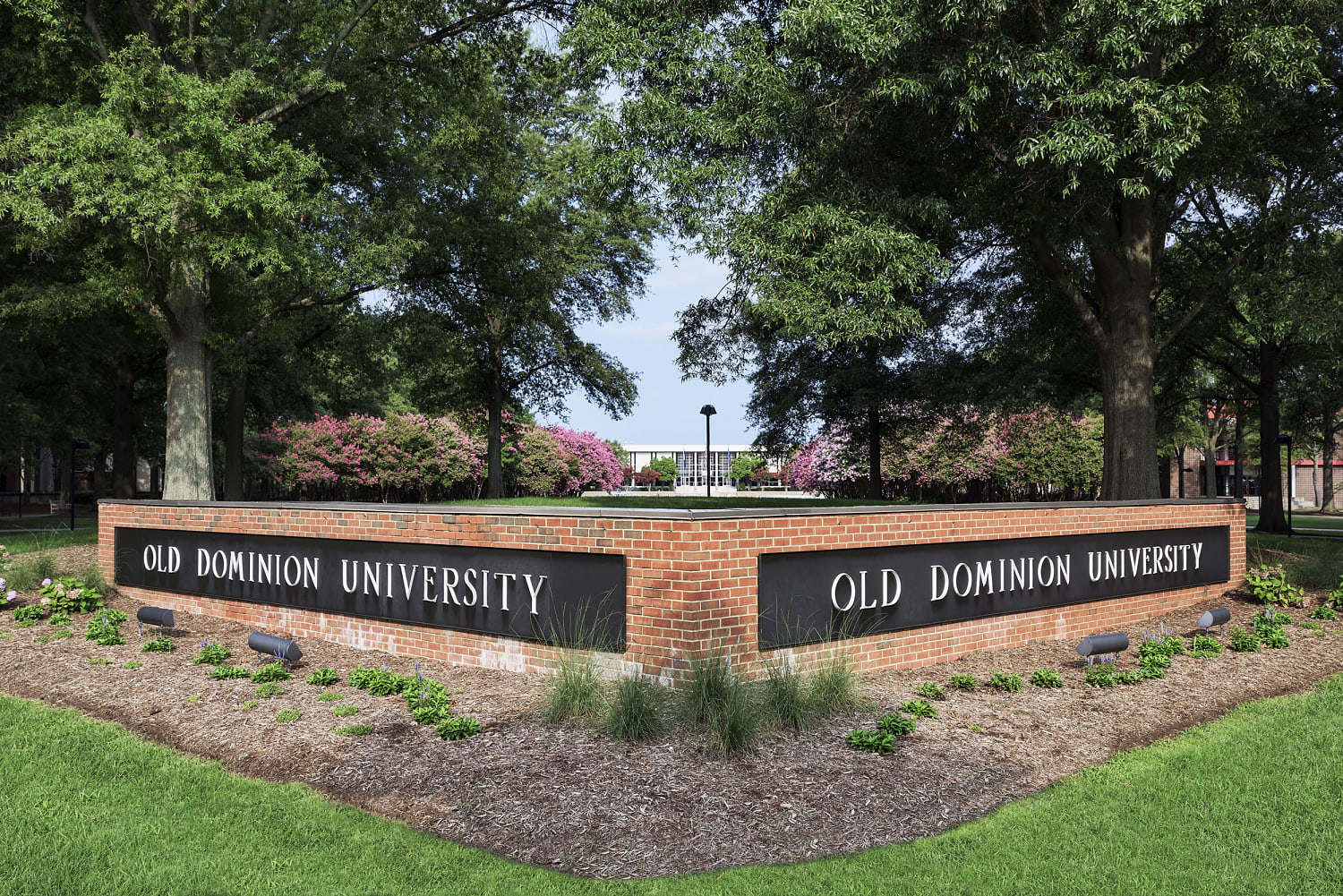
The humidity in Norfolk has a way of holding onto sound. It clings to the low hum of the shipyards and the distant call of gulls, thick and unmoving. But on a Tuesday that should have belonged to midterm stress and overpriced lattes, the air on the edge of Old Dominion University’s campus fractured.
Pop. Pop. Pop.
To a student walking toward the library, it might have sounded like a car backfiring near the constant construction on 49th Street. To the city, it was the sound of another Tuesday falling apart. When the dust settled outside a convenience store—a place where students usually argue over which energy drink provides the most stamina for an all-nighter—three lives had been irrevocably altered. Two people were fighting for their next breath in a hospital bed. One was dead.
We often consume these events as scrolling headlines, a ticker-tape of tragedy that fades as soon as the thumb swipes up. But for those on the ground, the story isn't about the caliber of the weapon or the arrival time of the first responders. It is about the sudden, violent theft of a mundane afternoon.
The Geography of a Nightmare
The intersection of 49th Street and Hampton Boulevard is a transition zone. On one side, you have the ivory towers of academia, where the biggest worry should be a GPA or a student loan. On the other, the grit of a city that has always known how to bleed. When those two worlds collide, the impact creates a ripple effect that standard news reports can’t capture.
Think of a college campus as a promise. It is a four-year pact between a student and the world that says: If you work hard here, you will be safe to grow. Gunfire is the ultimate breach of that contract. When the alerts hit the phones of thousands of students—"Police responding to reports of shots fired. Shelter in place."—the promise dissolves.
The "shelter in place" command is a unique kind of modern torture. It is the sound of heavy wooden doors clicking shut and the sight of students crouching under desks, looking at their screens for information about a threat that might be twenty feet or two miles away. In those moments, the "human element" isn't a statistic. It’s a text message to a mother that says I love you because the sender doesn't know if they'll get to say it again.
The Mechanics of the Incident
The facts of the Old Dominion shooting are stark. Police arrived to find three people struck by gunfire. Two victims were rushed to Sentara Norfolk General Hospital, their conditions labeled as critical. The third individual, identified as the shooter, was pronounced dead at the scene.
In the immediate aftermath, the narrative usually shifts to the "why." Was it a robbery gone wrong? A personal vendetta? A random act of cruelty? While investigators sift through the brass casings and security footage, the community is left to deal with the "how." How do we walk these streets tomorrow? How do we look at a corner store as a place for snacks rather than a place of slaughter?
The shooter’s death brings a cold, unsatisfying end to the immediate threat. There is no trial to follow. No testimony to provide a tidy explanation. Just a void where a motive used to be. For the two victims clinging to life, the journey is just beginning. Critical condition is a medical term, but in human terms, it is a state of suspended animation. It is a family sitting in a waiting room, flinching every time a doctor walks through the swinging doors. It is the smell of antiseptic and the rhythmic, mocking beep of a heart monitor.
The Invisible Stakes of Campus Life
We have become a society of experts in the wrong things. We know exactly how to secure a perimeter. We know the difference between "active" and "contained." But we are losing the ability to understand the psychological toll of a perpetual state of high alert.
When a shooting happens near a university, the trauma isn't confined to the victims. It infects the entire student body. It changes the way a freshman walks to their 8:00 AM lab. It alters the way a professor looks at a crowded lecture hall. This is the hidden cost of the news cycle: the slow erosion of the feeling of belonging.
Consider a hypothetical student—let’s call her Maya. Maya moved to Norfolk from a quiet town two hours away. She chose ODU for its engineering program and its vibrant, coastal energy. On Tuesday, she was across the street when the shots rang out. She wasn't hit. She wasn't even close enough to see the smoke. But as she watched the blue and red lights wash over the brick buildings of her school, the geography of her world changed. The convenience store became a landmark of fear. The sidewalk became a gauntlet.
The news will tell you that the campus returned to "normal operations" within twenty-four hours. But for Maya, and thousands like her, "normal" is a country they no longer inhabit.
Beyond the Yellow Tape
The tragedy of the ODU shooting is that it fits so neatly into a pre-existing box. We have a script for this. The police chief gives a press conference. The university president sends a mass email about counseling services. The local news runs a segment on "staying safe in the city."
But the real story is in the details that don't make the evening broadcast. It’s in the discarded backpack left on the sidewalk during the scramble. It’s in the silence of a dorm room where someone is waiting for a friend who hasn't answered their phone yet. It’s in the way the city of Norfolk feels just a little bit colder, even as the Virginia sun beats down.
We often ask if these events are preventable, but that’s a clinical question. The more pressing, more painful question is: How do we live with the knowledge that they aren't?
The two victims in the hospital aren't just names on a police report. They are sons, daughters, friends, or perhaps parents. Their recovery—if it comes—will be measured in months of physical therapy and years of mental healing. The shooter, now dead, leaves behind a shattered history and a family that must now carry the weight of what he did.
The Echo in the Halls
Violence on the periphery of an institution of learning is a specific kind of poison. It suggests that the walls we build around our futures are porous.
The Norfolk Police Department and the ODU administration work in tandem to project a sense of order. They are good at it. They cleared the scene, they managed the traffic, and they gave the public the facts they needed to feel that the situation was "under control." But "under control" is a relative term when a gunman can end a life in the time it takes to buy a pack of gum.
The weight of this event will linger long after the news trucks leave. It will be there in the next town hall meeting. It will be there in the next "Safety Alert" that pings on a phone. It will be there every time a car backfires on Hampton Boulevard.
In the end, we are left with a jagged hole in the fabric of a Tuesday afternoon. We have two people fighting for a future they thought was guaranteed, and a community trying to remember what it felt like to walk to class without looking over their shoulder. The sirens eventually stop. The yellow tape is rolled up and tossed in the trash. The blood is washed off the pavement. But the air stays heavy. It keeps holding onto the sound of those shots, reminding everyone who hears the echo that the distance between a normal day and a tragedy is only a few inches of steel and a single moment of madness.
The sun sets over the Elizabeth River, casting long, golden shadows across the ODU campus. Students emerge from their dorms, some talking in hushed tones, others walking quickly with their heads down. The library is open. The lights are on. Life, as the saying goes, moves on. But at the corner of 49th and Hampton, there is a new, invisible monument to what was lost—a quiet, shivering realization that the world is much smaller, and much more fragile, than we ever dared to believe.