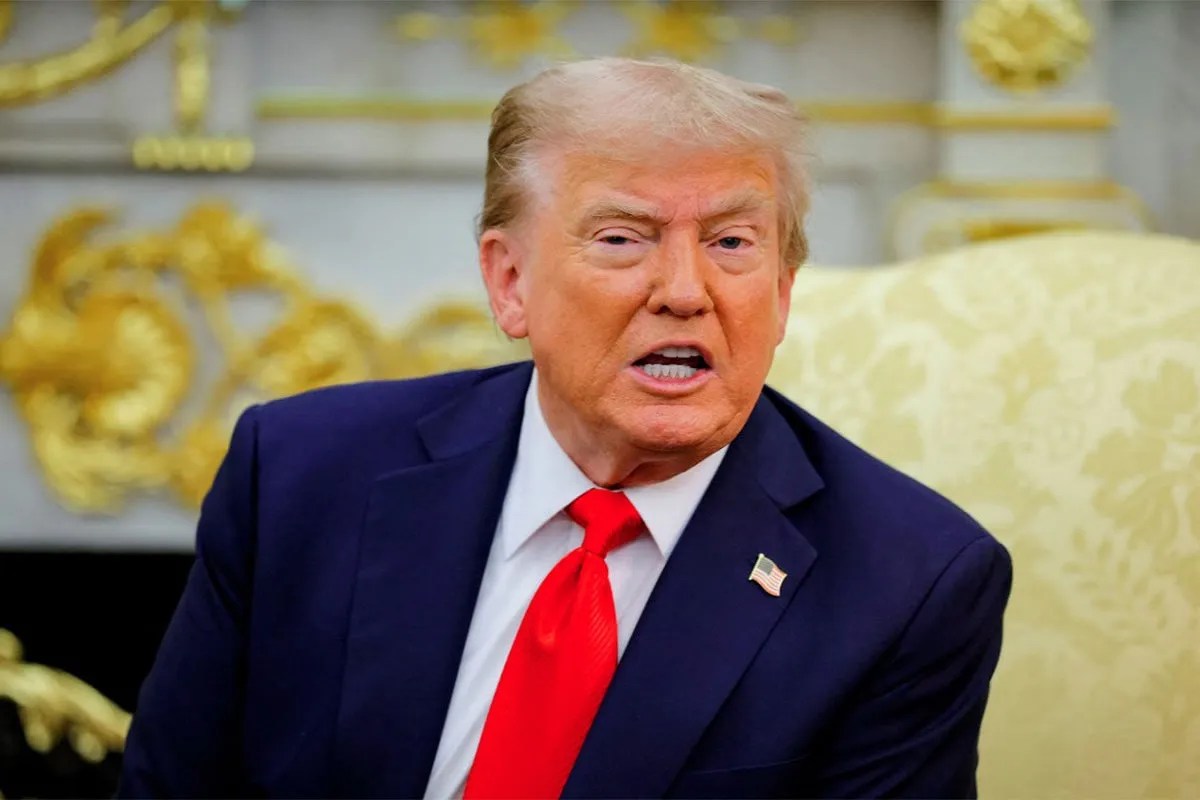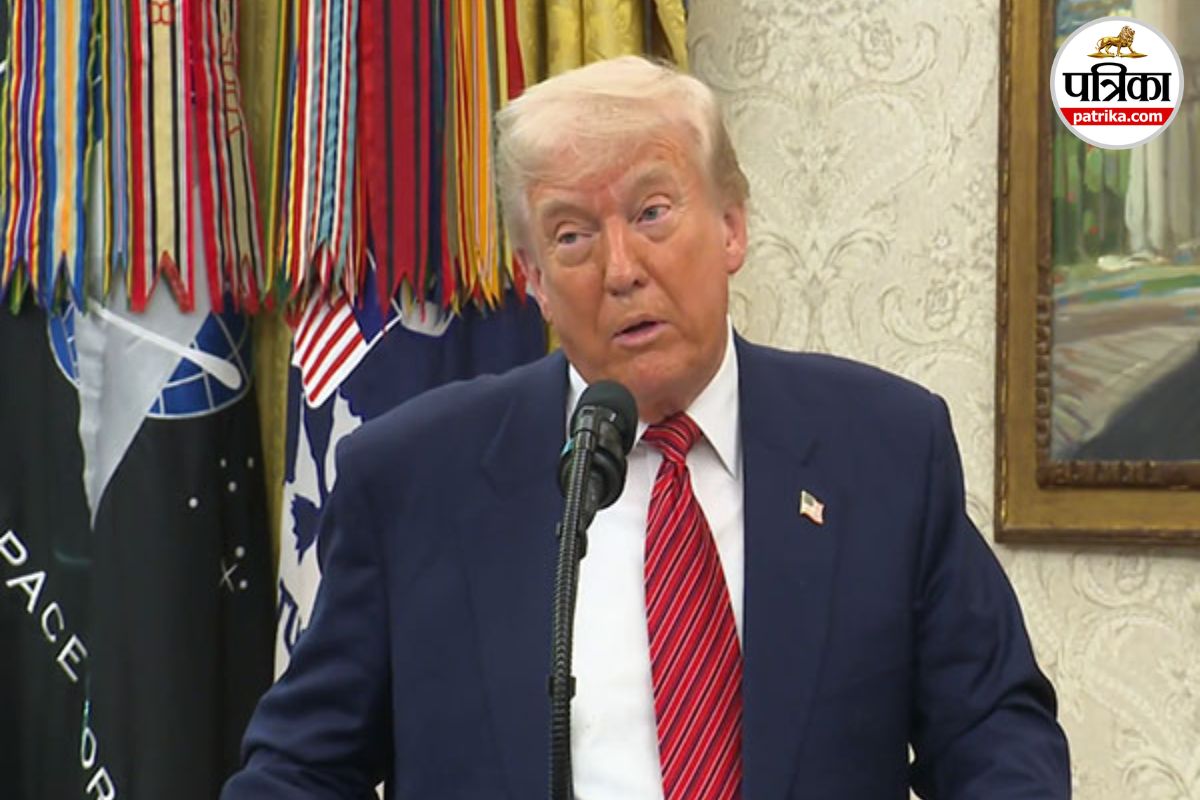
The current ultimatum issued by the Trump administration—a six-week window for Iran to fundamentally alter its nuclear and regional trajectory—is not a standard diplomatic overture but a calculated stress test of Tehran's internal political cohesion. By synchronizing this deadline with a high-stakes diplomatic mission to Beijing, the administration is attempting to solve a multi-variable equation: the neutralization of Iranian proxy capabilities, the decoupling of the China-Iran energy-security nexus, and the re-establishment of American credible deterrence through a time-bound escalation ladder.
The Mechanics of the Six-Week Ultimatum
The selection of a forty-two-day window functions as a tactical "short-squeeze" on Iranian decision-making. In geopolitical signaling, a deadline serves three specific structural purposes that distinguish it from open-ended negotiations:
- Information Asymmetry Reduction: By forcing a rapid response, the U.S. forces the Iranian leadership to reveal its true "reservation price"—the minimum concessions they are willing to make to avoid escalated kinetic or economic sanctions.
- Resource Exhaustion: Six weeks is insufficient for Iran to reorganize its shadow banking networks or secure new long-term bilateral credit lines with non-Western powers. This creates an artificial liquidity crisis.
- Domestic Political Friction: The deadline is designed to exacerbate the rift between the pragmatic elements of the Iranian bureaucracy and the ideological rigidity of the Islamic Revolutionary Guard Corps (IRGC).
This time-bound constraint operates on a declining marginal utility of delay. Every week that passes without a negotiated framework increases the "risk premium" on the Iranian Rial and heightens the cost of shipping insurance in the Persian Gulf, effectively imposing an invisible tax on the Iranian economy before a single new sanction is even codified.
The China-Iran Energy Nexus and the Beijing Pivot
The administration’s upcoming visit to China is the second lever in this pincer movement. To understand the leverage being applied, one must look at the flow of "Teapot" refinery demand in China. Historically, independent Chinese refineries have been the primary sink for sanctioned Iranian crude.
The U.S. strategy involves offering China a "Grand Bargain" of energy stability in exchange for a reduction in Iranian imports. The logic follows a clear substitution model:
- Variable A: The volume of Iranian crude currently flowing to China (estimated at 1-1.5 million barrels per day).
- Variable B: The availability of U.S. LNG and crude exports as a stable, non-sanctioned alternative.
- Variable C: The removal or adjustment of specific Section 301 tariffs on Chinese manufactured goods.
If the U.S. can convince Beijing that the marginal cost of supporting a destabilized Iran outweighs the benefit of discounted oil, Iran loses its primary economic lifeline. This is not merely about trade; it is about shifting China’s role from a silent partner of Tehran to a neutral observer of American "Maximum Pressure 2.0."
The Three Pillars of the New Deterrence Framework
The administration's strategy rests on a tripod of systemic pressures that go beyond the previous "Maximum Pressure" campaign of 2018.
1. Financial Interdiction and the Swift Bypass
The first pillar focuses on the total isolation of the Central Bank of Iran (CBI). Unlike previous iterations, current efforts target the "shadow" financial system—the network of exchange houses in Dubai, Turkey, and Iraq that facilitate the movement of hard currency. By mapping these nodes with high-frequency data and AI-driven forensic accounting, the U.S. Treasury can now execute "surgical" sanctions that disable specific money-laundering cells without triggering broad-market contagion.
2. The Proxy Attrition Model
The second pillar shifts the focus from Iranian soil to the "Grey Zone" of regional proxies. The administration is signaling a move toward a "Cost-Imposition" strategy. Instead of reactive strikes, the policy dictates the preemptive disruption of the logistics chains that feed groups in Yemen, Iraq, and Lebanon. By increasing the cost of maintaining these proxies, the U.S. forces Tehran to choose between domestic stability and regional influence—a classic "guns vs. butter" dilemma.
3. Technical and Cyber Supremacy
The third pillar involves the deployment of non-kinetic, high-impact capabilities. This includes the potential for localized disruption of Iranian command-and-control infrastructure. The goal is to demonstrate that the U.S. possesses a "ladder of escalation" where the top rungs involve total digital paralysis of the Iranian energy export infrastructure.
The Structural Risks of the Deadline Strategy
Any rigorous analysis must account for the failure modes of such a high-velocity strategy. The "Exit Plan" is not without significant friction points:
- The Cornered Rat Paradox: If the Iranian leadership perceives the deadline as a precursor to regime change rather than a behavioral change, their incentive to negotiate drops to zero. In this scenario, the rational move for Tehran is "maximum provocation" (e.g., accelerating uranium enrichment to 90%) to force a seat at the table on their terms.
- The Hub-and-Spoke Fragility: The strategy relies heavily on the cooperation of regional partners and China. If China perceives the U.S. as overreaching, they may provide a "black market" floor for the Iranian economy, rendering the six-week deadline toothless.
- The Brent Crude Volatility Spike: A miscalculation in the Persian Gulf could lead to a temporary closure of the Strait of Hormuz. Even a 72-hour disruption would send global oil prices toward $120 per barrel, creating a political liability for the Trump administration back home.
The Beijing-Tehran-Washington Triangle
The China visit is the "Control Variable" in this experiment. If the U.S. delegation can secure even a temporary cap on Chinese purchases of Iranian oil, the Iranian negotiating position collapses. The U.S. is essentially using the threat of a trade war with China as a tool to win a shadow war with Iran. This creates a complex feedback loop:
$$(Trade\ Leverage \times China) \rightarrow (Economic\ Isolation \times Iran) = Strategic\ Compliance$$
The administration is betting that China’s desire for predictable global markets and access to American consumer demand is greater than its commitment to the "Lion-Sun" partnership with Tehran.
Operational Milestones for the Coming 42 Days
To gauge the success of this strategy, observers must track specific indicators rather than rhetoric:
- The Spread between Brent and Iranian Heavy: An widening discount on Iranian oil indicates that fewer buyers are willing to take the sanction risk.
- Rial-to-USD Black Market Rates: Rapid devaluation in the informal market will signal a loss of confidence in the CBI’s ability to defend the currency.
- IAEA Access Reports: Any sudden increase in cooperation with nuclear inspectors will be the first sign that the pragmatic faction in Tehran is gaining internal leverage.
- Chinese "Teapot" Refinery Data: A pivot toward Russian or Brazilian grades by independent Chinese refiners will confirm the effectiveness of the Beijing diplomatic track.
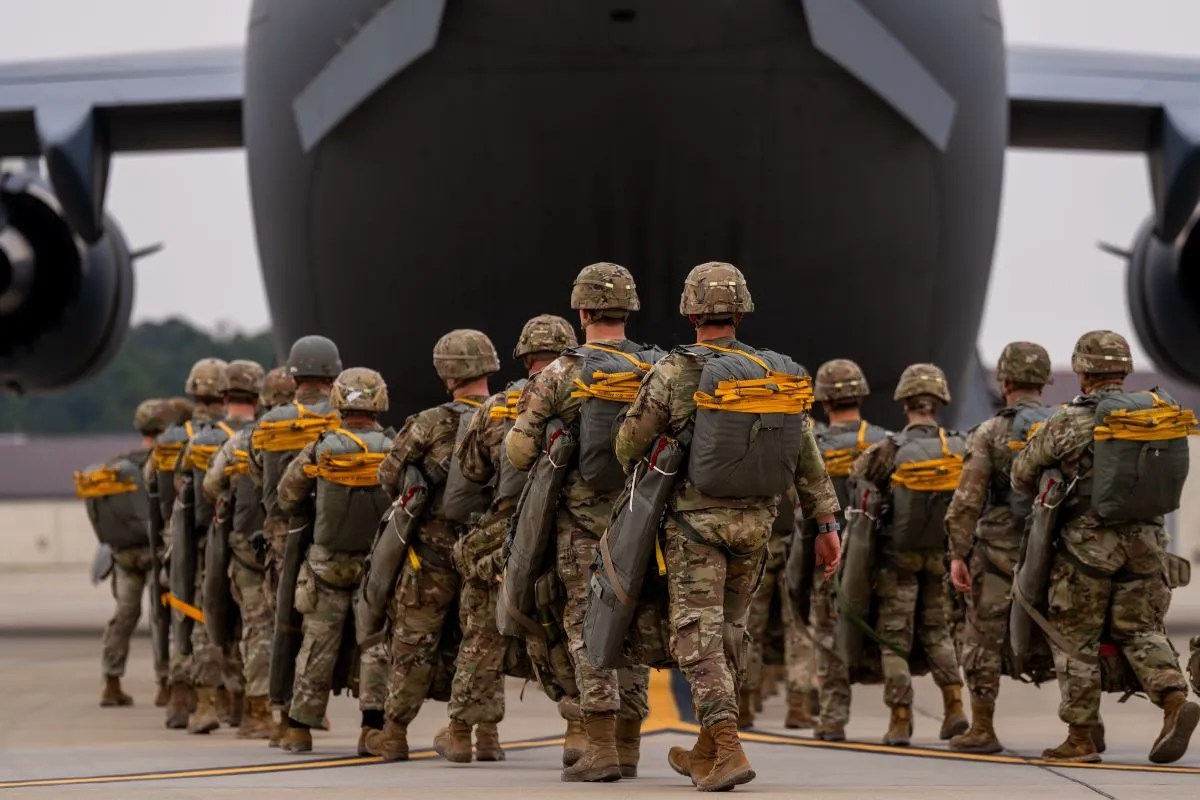
The strategic play here is not to start a war, but to make the cost of not negotiating so prohibitively high that the Iranian leadership is forced to accept a "JCPOA-Plus" agreement—one that addresses ballistic missiles and regional destabilization alongside nuclear enrichment. The six-week deadline is the stopwatch; the China trip is the wrench.
The final move in this sequence requires the U.S. to provide a "Golden Bridge" for Tehran to retreat across. This likely involves the unfreezing of specific humanitarian-designated funds in exchange for an immediate freeze on enrichment beyond 5%. If this bridge is not built by week five, the probability of a kinetic escalation in the Gulf of Oman rises to a statistical certainty. The administration must now balance the precision of its sanctions with the flexibility of its diplomacy to ensure the deadline results in a deal, not a detonation.