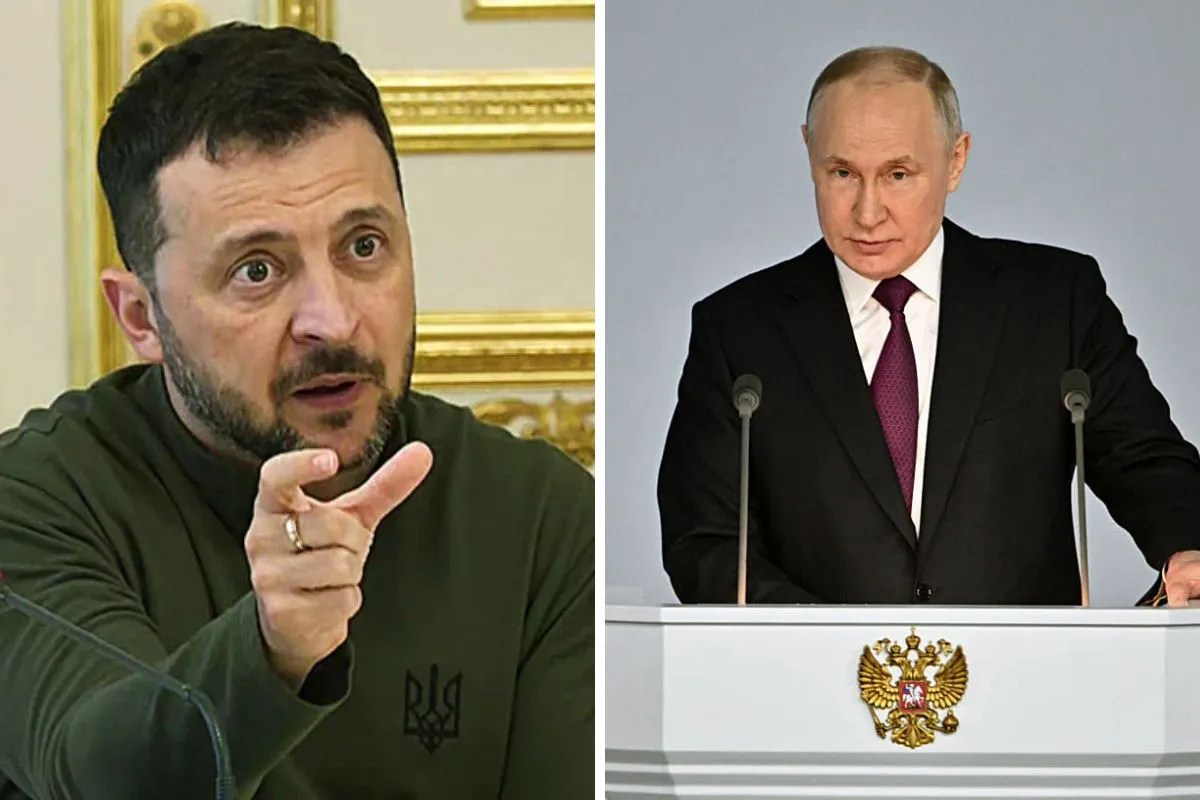
The recent allegations regarding a Russian-led disinformation campaign operating within Indian borders represent more than a localized security breach; they signal a fundamental shift in how sovereign influence is brokered in the multipolar era. While headlines focus on the sensationalism of "conspiracies" against Ukraine, a cold-blooded strategic analysis reveals a sophisticated tri-node architecture of information operations designed to align Indian public sentiment with Russian strategic objectives. Understanding this requires moving past the rhetoric of "fake news" and examining the structural mechanics of narrative dominance.
The Tri-Node Architecture of Narrative Control
Foreign influence operations do not function through simple lies. They succeed by hijacking existing cognitive biases and geopolitical anxieties. The alleged Russian operation in India utilizes three specific structural pillars to ensure maximum penetration and retention.
1. The Historical Resonance Pillar
Russia leverages the "legacy of reliability" established during the Cold War. By framing the current conflict in Ukraine as a resistance against Western neo-colonialism, the narrative taps into India's historical non-aligned movement (NAM) psyche. This is not a fabrication of facts but a strategic re-contextualization of history to justify contemporary kinetic actions.
2. The Digital Echo-Chamber Mechanism
The operation bypasses traditional gatekeepers by utilizing a decentralized network of local "influencers" and automated bot clusters. This creates a "consensus illusion." When a user sees the same geopolitical argument reflected across WhatsApp groups, X (formerly Twitter), and niche news portals, the brain registers the information as a baseline truth rather than a coordinated broadcast.
3. The Adversarial Mirroring Strategy
A critical component of this strategy involves identifying India's specific regional anxieties—primarily involving border security and energy independence—and mirroring them back through the lens of Russian interests. By suggesting that Western sanctions on Russia directly threaten Indian food and energy security, the operation transforms a distant European conflict into a domestic survival issue for the Indian citizen.
Quantifying the Information Deficit
The primary reason these operations find fertile ground is the "information vacuum" regarding the technicalities of the Ukraine conflict in the Global South. Western media outlets often utilize a moralistic framework that fails to resonate with the pragmatic realpolitik of New Delhi. This creates a gap that Russian-aligned narratives fill with high-density, seemingly logical alternatives.
The cost of countering such operations is asymmetrical. Generating a sophisticated "deep-fake" narrative or a coordinated bot strike requires minimal capital expenditure relative to the massive resources required for a state to debunk, litigate, and sanitize the information environment. We are observing a race where the "lie" travels at the speed of fiber optics while the "truth" is bogged down in bureaucratic verification.
The Infrastructure of Fabrication: Technical Proxies
Analysis of the alleged "conspiracy" reveals a sophisticated use of domestic proxies. Foreign actors rarely operate directly; they utilize local PR firms, "think tanks" with opaque funding, and digital marketing agencies. These entities provide a "veneer of indigeneity." When the content originates from a local IP address and uses regional linguistic nuances, the defensive filters of national intelligence agencies are more easily bypassed.
The mechanics involve:
- Narrative Seeding: Inserting a specific talking point into a low-tier news site.
- Amplification: Using bot networks to drive traffic and engagement metrics, forcing the "trending" algorithms of major social platforms to promote the content.
- Mainstream Integration: High engagement numbers eventually trick mainstream media outlets into reporting on the "viral trend," thereby granting the fabrication ultimate legitimacy.
Security Bottlenecks and the Failure of Traditional Counter-Intelligence
The Indian security apparatus faces a unique bottleneck. Traditional counter-intelligence is designed to stop physical assets—spies and saboteurs. Digital influence operations, however, operate in the "gray zone" of free speech and political expression.
Distinguishing between a genuine Indian citizen expressing a pro-Russian opinion and a coordinated asset performing a script is technically difficult and politically sensitive. This ambiguity is the primary shield for these operations. The lack of a robust domestic legal framework defining "foreign cognitive interference" allows these actors to operate with near-total impunity.
Geopolitical Leverage and the Energy Variable
The underlying driver for India’s susceptibility to these narratives is the massive energy arbitrage currently in play. With India importing record amounts of discounted Russian Urals crude, there is a systemic economic incentive to maintain a positive public perception of the Moscow-Delhi axis.
Strategic intelligence suggests that the "conspiracy" allegations are not just about Ukraine; they are about protecting the long-term viability of the North-South Transport Corridor and ensuring that India remains a neutral, if not friendly, node in the face of increasing Western pressure. The narrative is the software that keeps the hardware of trade running smoothly.
Strategic Recommendation: Cognitive Sovereignty
India must transition from a reactive posture to one of "proactive cognitive defense." This does not imply state-mandated censorship, which often backfires by increasing the allure of "underground" news. Instead, the strategy must focus on:
- Attribution Mapping: Developing high-speed AI tools to trace the provenance of viral narratives back to their original nodes in real-time.
- Alternative Narrative Injection: Rather than merely debunking Russian claims, the state must provide a compelling, India-centric narrative that explains the global situation without relying on either Western or Russian scripts.
- Financial Transparency for Digital Proxies: Implementing strict disclosure requirements for digital marketing firms and PR agencies receiving foreign funding for "public awareness" campaigns.
The ultimate defense against foreign information operations is not the suppression of the message, but the hardening of the target population's analytical capabilities. As the digital theater becomes the primary battleground for statecraft, the ability to discern coordinated influence from organic discourse becomes the most critical asset in a nation’s security portfolio.
Move toward a centralized "Information Fusion Center" that integrates signals from the Ministry of Electronics and Information Technology (MeitY) and the Ministry of External Affairs to identify and neutralize narrative threats before they reach critical mass in the domestic zeitgeist.