The US military just launched a series of retaliatory strikes against Iranian targets in the Strait of Hormuz, and if you're feeling a sense of deja vu, you aren't alone. This latest exchange, occurring on May 7, 2026, involved three US Navy destroyers—the USS Truxtun, USS Rafael Peralta, and USS Mason—facing down a swarm of Iranian missiles, drones, and small boats.
It's the kind of high-stakes "self-defense" choreography that has defined the last few months of regional tension. While some are calling it a failure of the April ceasefire, I'd argue it’s something much more calculated. These aren't just random outbursts of violence; they’re part of a brutal, high-speed negotiation being conducted in the most vital shipping lane on the planet.
Breaking Down the May 7 Strikes
According to US Central Command (CENTCOM), the incident kicked off as the three destroyers were transiting the Strait of Hormuz toward the Gulf of Oman. Iranian forces launched a coordinated attack using multiple vectors. We're talking cruise missiles, suicide drones, and those pesky fast-attack small boats that the IRGC loves to use for harassment.
The Pentagon was quick to point out that no American assets were actually hit. In fact, the US response was immediate and surgical. They didn't just swish away the incoming threats; they went for the source.
- Launch Sites: Fixed and mobile missile and drone sites were neutralized.
- Command Centers: Intelligence and reconnaissance nodes that were tracking the destroyers were taken offline.
- Naval Assets: Several Iranian small boats were sent to the bottom.
President Trump famously referred to these strikes as a "love tap." While the rhetoric is classic Trump, the military reality is that the US is trying to maintain a "blockade and bleed" strategy without sliding back into the full-scale 40-day war we saw earlier this year.
The Ceasefire Paradox
You might be wondering how we can have a "ceasefire" while bombs are still falling. It’s a mess, honestly. The truce reached on April 8, 2026, was always shaky. It paused the massive aerial campaigns that saw over 13,000 US strikes on Iranian soil, but it didn't solve the underlying math of the conflict.
The US wants a total end to Iran's nuclear program and a permanent opening of the Strait of Hormuz. Iran wants the US blockade lifted and its regional influence recognized. Because neither side is budging on the big stuff, we’re stuck in this "low-level kinetics" phase. Basically, the US is using these retaliatory strikes to show that the ceasefire isn't a hall pass for Iran to harass shipping.
It’s a dangerous game of chicken. If the US doesn't respond, Iran gains control of the oil flow. If the US responds too hard, the whole region goes up in flames again.
What the Media Misses About the Blockade
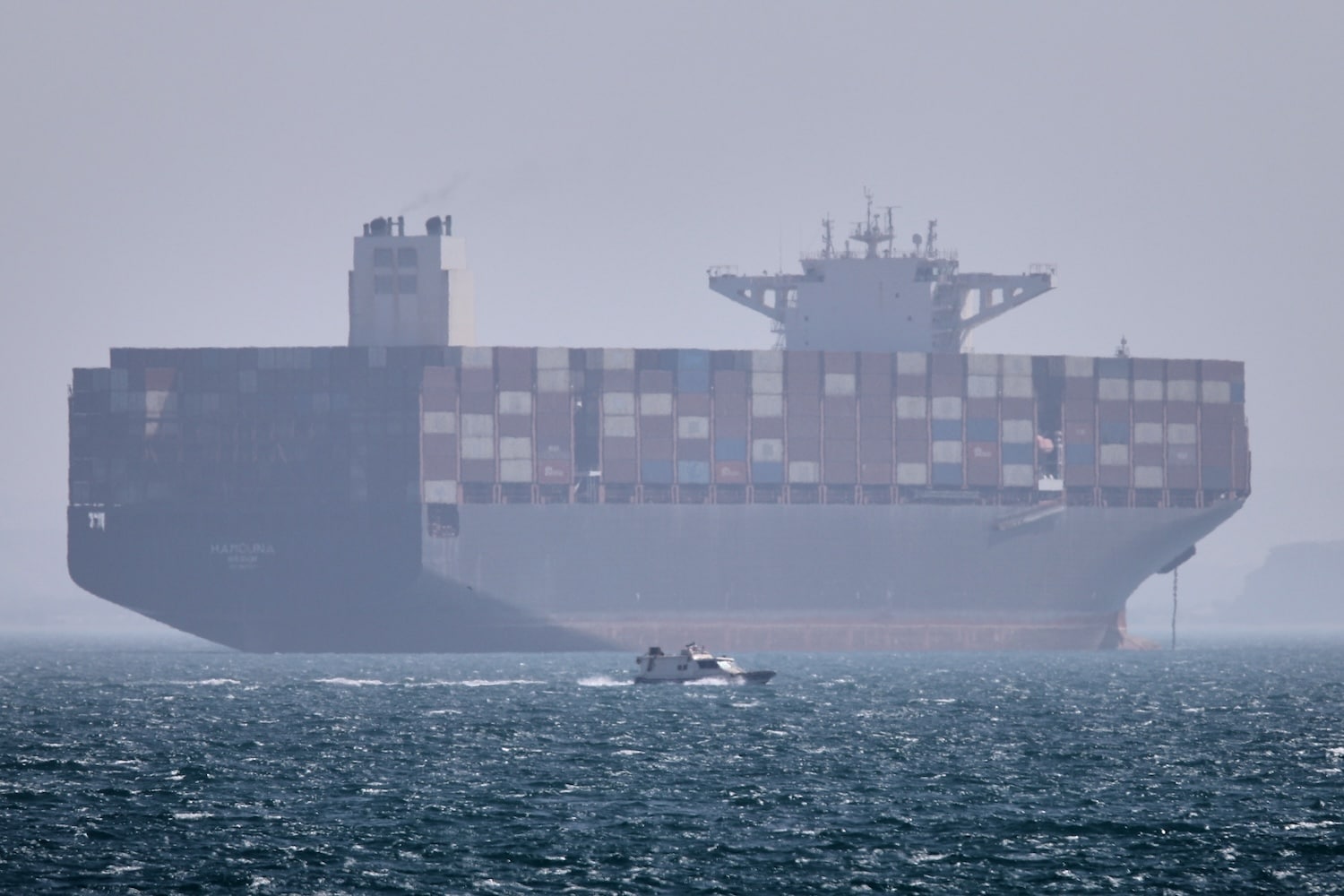
Most news outlets are focusing on the explosions, but the real story is the economic strangulation. The US has been enforcing a counter-blockade since mid-April. This isn't just about stopping weapons; it’s about stopping everything.
CENTCOM recently reported that they’ve forced over 50 vessels to turn around or return to port since the blockade began. On May 6, just a day before these strikes, US forces disabled an unladen Iranian tanker trying to slip through.
This is why Iran is lashing out. Their economy was already in shreds before the 2026 war started, and now they’re facing a situation where they can’t even move empty ships without getting a visit from a US destroyer. The "unprovoked" attacks the military keeps mentioning are actually a desperate attempt by Tehran to prove that the Strait of Hormuz is still their backyard.
The Hardware at Work
If you want to understand why Iran hasn't managed to land a significant blow on a US ship yet, look at the tech. The destroyers in the Strait—specifically the Arleigh Burke-class—are running the latest Aegis Baseline upgrades.
- Electronic Warfare: Most of these drones are being jammed before they get within five miles.
- Point Defense: Between the Phalanx CIWS and the RIM-162 Evolved SeaSparrow Missiles (ESSM), the "wall of lead" is real.
- Counter-Battery: The moment a missile is launched from the Iranian coast, US counter-battery radar pins the GPS coordinates. The "retaliatory strike" often happens before the Iranian missile even hits the water.
Moving Forward Without Losing the Plot
We’re at a point where "restraint" is the word of the day in Washington, but "firepower" is the reality on the water. The US isn't looking to restart the 40-day campaign, but they aren't going to let the USS Mason become a target for drone practice either.
If you’re watching this develop, don't get distracted by the "ceasefire is over" headlines. Look at the UN Security Council instead. The US and Bahrain are pushing a resolution to formalize the opening of the Strait. If that fails (and with Russia and China in the mix, it likely will), expect these "love taps" to become more frequent and significantly more violent.
For now, the next move is on Tehran. They have a US proposal on the table that offers a way out of the blockade. Until they sign it, the US Navy is going to keep playing the role of the world’s most heavily armed bouncer. Keep an eye on the transit schedules for the next wave of tankers; that’s where the next flashpoint will be.